The Indian jointvetch Plant Advantage: Maximizing Home and Office Appeal and Wellness
1
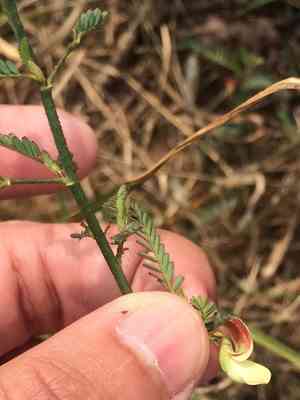
Indian jointvetch enhances ground richness by fixing nitrogen.
2
This flora draws helpful bugs to your outdoor space.
3
Indian jointvetch serves as a superb choice for preventing soil erosion.
How Does Indian jointvetch Enhance Soil Fertility?
Nitrogen Fixation Capabilities
Indian jointvetch is recognized for its capacity to fix nitrogen in the soil, a vital process that transforms atmospheric nitrogen into a form plants can easily absorb. This natural fertilization method aids in boosting soil fertility, lessening the need for chemical fertilizers and fostering healthier plant development. By cultivating Indian jointvetch in your garden, you can enrich your soil's nutrient content, leading to more robust and productive harvests.
Organic Matter Enrichment
Indian jointvetch contributes to the enrichment of organic matter in the soil through its leaf and root debris. As these plant parts decompose, they add valuable organic material to the soil, enhancing its structure and water retention capabilities. This process not only benefits the immediate area where Indian jointvetch is planted but also positively impacts surrounding vegetation, cultivating a more resilient and fertile garden ecosystem.
What Role Does Indian jointvetch Play in Biodiversity?
Attracting Beneficial Insects
Indian jointvetch acts as a magnet for advantageous insects, such as bees, butterflies, and ladybugs. These insects are crucial for pollination and pest control, making them indispensable allies for gardeners. By planting Indian jointvetch in your garden, you can establish a more balanced and flourishing ecosystem where beneficial insects can thrive, ultimately resulting in healthier plants and increased crop yields.
Creating Habitat for Wildlife
Indian jointvetch offers essential habitat for various wildlife species, including birds and small mammals. The plant's dense foliage and seed production provide food and shelter, supporting local biodiversity. By incorporating Indian jointvetch into your garden, you are contributing to the preservation of native wildlife and fostering a more vibrant and dynamic outdoor environment.
Can Indian jointvetch Aid in Erosion Control?
Root System Strength
The robust root system of Indian jointvetch is highly effective at preventing soil erosion. The plant's deep and extensive roots help stabilize the soil, reducing the risk of erosion from wind and water. This characteristic makes Indian jointvetch an excellent choice for planting on slopes, riverbanks, and other erosion-prone areas, where it can provide natural and sustainable erosion control.
Soil Moisture Retention
Indian jointvetch also contributes to retaining soil moisture, which is vital for maintaining soil health and preventing erosion. The plant's ability to improve water infiltration and decrease runoff helps preserve soil integrity, especially during heavy rainfalls. By mitigating erosion, Indian jointvetch supports the long-term stability and productivity of your garden or landscape.
How Can Indian jointvetch Be Utilized in Cover Cropping?
Preventing Soil Degradation
Using Indian jointvetch as a cover crop is an effective strategy to prevent soil degradation. As a cover crop, Indian jointvetch safeguards the soil from erosion, suppresses weed growth, and improves soil structure. By planting Indian jointvetch during off-season periods, you can ensure continuous soil cover, promoting year-round soil health and vitality.
Enhancing Crop Rotations
Integrating Indian jointvetch into crop rotations can boost the overall productivity and sustainability of your agricultural practices. The plant's nitrogen-fixing ability and organic matter contributions create favorable conditions for subsequent crops. This practice not only enhances soil fertility but also helps disrupt pest and disease cycles, leading to healthier and more resilient crop systems.
What Are the Applications of Indian jointvetch in Agroforestry?
Intercropping Benefits
In agroforestry systems, Indian jointvetch can be strategically employed for intercropping, where it is grown alongside trees and other crops. This practice offers numerous benefits, including improved soil health, enhanced biodiversity, and increased crop yields. Indian jointvetch's presence in agroforestry systems supports nutrient cycling, pest management, and overall ecosystem stability.
Supporting Sustainable Agriculture
Indian jointvetch plays a crucial role in fostering sustainable agriculture by providing ecological services that lessen the need for external inputs. Its ability to improve soil fertility, prevent erosion, and support biodiversity aligns with the principles of sustainable farming. By integrating Indian jointvetch into agroforestry practices, farmers can achieve more sustainable and productive agricultural systems.



