How to Prune Muskroot?
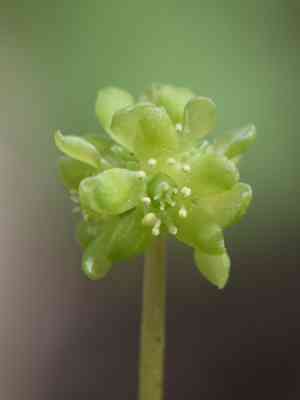
Muskroot, a fragile forest perennial, thrives in moist, shaded environments and displays minute greenish blossoms. Trimming requirements are slight, primarily involving the removal of deceased or injured leaves subsequent to its spring flowering. The most suitable times for pruning coincide with the plant's inactive phase, generally from late summer to autumn. Thoughtful reduction of aged growth stimulates robust new stems and preserves the plant's well-being. Exercise restraint when pruning to guarantee its endurance, given muskroot's delicate nature and susceptibility to excessive trimming.
What Are the Benefits of Pruning Muskroot?
What Are the Benefits of Pruning Muskroot?
Trimming muskroot promotes robust development and helps maintain its desired form. Regular cutting eliminates dead or weak sections, directing energy to healthier growth, and preserving the plant's shape.
What Is the Best Time for Pruning Muskroot?
What Is the Best Time for Pruning Muskroot?
Pruning muskroot in spring aligns with its post-dormancy revitalization, enabling the plant to focus energy on new growth and recovery. This timing also allows for the removal of any winter damage before the growth cycle commences. Fall pruning is ideal for preparing the plant for dormancy and removing spent flowers, which aids in disease prevention and ensures a healthier emergence the following spring while minimizing energy expenditure on non-productive plant parts.
What Tools Do I Need to Prune Muskroot?
Hand Pruners
These compact, handheld implements offer the precision and care needed for pruning muskroot, a small, delicate perennial. Hand pruners are perfect for targeting specific stems and foliage without disturbing surrounding plant material.
Fine-pointed Snips
Given muskroot's intricate structure, these snips enable gardeners to make precise cuts when thinning or shaping the plant. Fine-pointed snips provide the control necessary for small, accurate cuts without causing undue harm to the plant.
Cleaning Brush
After pruning, it's crucial to clean tools to prevent disease transmission. A small, soft-bristled brush can be used to remove plant debris from the blades of the pruning tools used on muskroot.
Disinfectant Solution
Maintaining muskroot's health after pruning is vital. Using a disinfectant solution to sterilize tools before and after making cuts can prevent the spread of pathogens and ensure a clean pruning process.
How to Prune Muskroot
Sterilization
Clean and sterilize all pruning tools with alcohol or a 10% bleach solution to prevent the spread of disease to muskroot.
Identification
Carefully examine muskroot to locate diseased leaves, withered leaves, dead branches, and diseased branches that require removal.
Removal of leaves
Using a sharp pair of scissors or shears, gently trim off any diseased or withered leaves from muskroot at the base of the leaf stem, being careful not to damage the healthy parts of the plant.
Removal of branches
Cut back dead or diseased branches on muskroot to their point of origin or back to healthy wood, ensuring a clean cut that does not tear the plant tissue.
Disposal
Dispose of all removed material from muskroot away from the gardening area to prevent any potential disease from spreading to other plants.
Common Pruning Mistakes with Muskroot
Over-pruning
Beginners might remove too much foliage from muskroot, potentially weakening the plant. Even experienced gardeners sometimes take off too much, expecting to encourage growth.
Using dull tools
Both novice and experienced gardeners can err by using dull tools, which can lead to jagged cuts susceptible to disease and may harm muskroot's delicate stems.
Improper cut location
Cutting muskroot too far from a node or bud, or too close to it, can result in dead stubs or damage potential new growth, impacting the plant's overall health.
Neglecting sanitation
Failing to sanitize pruning tools can spread disease to muskroot from other plants, a common oversight with potentially severe consequences.
Ignoring plant health
Pruning without first assessing muskroot's health is a mistake. Unhealthy or stressed plants may not tolerate pruning well and require a more cautious approach.
Common Pruning Tips for Muskroot
Clean cuts
Ensure you prune muskroot with sharp, clean tools to achieve precise cuts that heal quickly, preventing disease entry points.
Selective pruning
Prune muskroot selectively, removing only dead or diseased material and maintaining the plant's natural shape to avoid stress and encourage vigorous growth.
Prune after flowering
For muskroot, timing pruning soon after the blooms fade allows for the setting of new buds without affecting the next flowering cycle.
Aesthetic shaping
While muskroot generally requires minimal shaping, any aesthetic pruning should ensure the plant's form is as natural as possible, without over-thinning the center or altering its characteristic look.
Tool sanitization
Regularly sanitize tools between cuts, especially when moving from one muskroot to another or after cutting diseased material, to maintain plant health.



