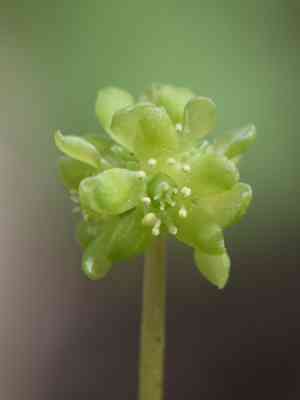
Muskroot (Adoxa moschatellina)
Also known as: Moschatel, Five-faced bishop
Muskroot (Adoxa moschatellina) is a wildflower found across the Northern Hemisphere, though it is often rare or uncommon in many areas. The genus name "Adoxa" is derived from the Greek word meaning "without glory," pointing to the plant's modest appearance. The species name "moschatellina" originates from the Italian word for "musk," alluding to the plant's distinctive musky fragrance.
In This Article
Attributes of Muskroot
Lifespan
Perennial
Plant Type
Herb
Plant Height
8 cm to 15 cm
Spread
N/A
Leaf Color
Green Bronze
Flower Size
6 mm to 8 mm
Flower Color
Yellow Green
Images of Muskroot
Quickly Identify Muskroot
1
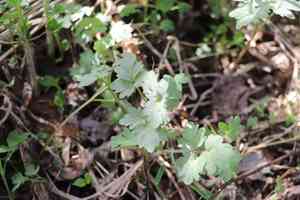
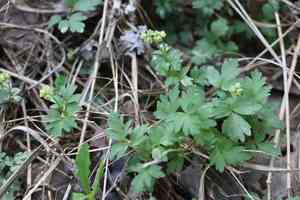
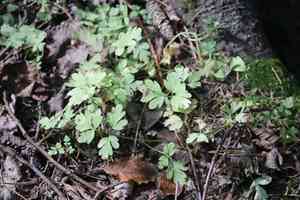
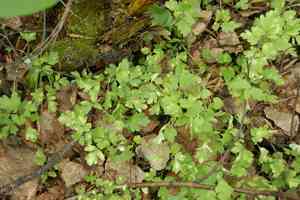
This plant can be identified by its low-growing habit, compound leaves with three to five lobes, and its unique flower structure - each flower head typically has five small, greenish-yellow flowers arranged in a cube-like shape, with one flower on the top and four around the sides.
Scientific Classification of Muskroot
Phylum
Vascular plants
Class
Dicotyledons
Order
Dipsacales
Family
Moschatel
Genus
Adoxa
Species
Muskroot
Planting and Growing of Muskroot
Care Difficulty
Moderate
Watering Schedule
Every 2 days
Sunlight Requirements
Partial sun
Sunshine Duration
6-10 hours
Ideal Temperature
50-68℉
Soil Type
Potting Mix, Peat Mix
Soil pH
6.5-7.5
Fertilizer Type
Balanced
Pruning Season
Spring, Summer
Pruning Area
Branches, Leaves
Pruning Frequency
2 times a year
Repotting Season
Spring
Pot Type
Plastic, Ceramic
 How to Water Muskroot?
Adoxa moschatellina prefers moist but not waterlogged soil. When watering, ensure the soil feels damp to the touch up to your first knuckle. This generally requires around 250 ml of water per session, making sure the excess drains out to avoid root rot.
What are the symptoms of an underwatered Muskroot?
›
What should I do if my Muskroot is not getting enough water?
›
What are the symptoms of an overwatered Muskroot?
›
How to save an overwatered Muskroot?
›
 What Are the Sunlight Requirements for Muskroot?
Partial sun to full shade conditions are optimal, as they mimic natural wooded habitats, reducing stress and promoting healthier growth and flowering while maintaining vibrant foliage.
More About Sunlight Requirements Techniques→
How to achieve ideal light?
›
What solutions are available?
›
What benefits from ideal lighting?
›
 What Is the Ideal Temperature Range for Muskroot?
The ideal temperature range for growing Adoxa moschatellina, also known as moschatel or townhall clock, is between 50°F and 68°F. This temperature range supports optimal photosynthesis, plant metabolism, and growth. Adhering to this range is crucial because it closely mimics the plant's native environment, ensuring that it can thrive and reproduce effectively.
 What Soil is Best for Muskroot?
Adoxa moschatellina thrives in soils that can hold moisture effectively without becoming waterlogged. This helps maintain consistent hydration, crucial for supporting its delicate growth and avoiding stress from drought. It requires a soil structure that supports good aeration, allowing roots to breathe and preventing root diseases. This boosts plant vitality and encourages robust root systems. While not highly demanding, this plant benefits from a soil rich in organic matter. Such nutrient availability promotes healthy growth and increases resistance to pests and diseases.
 How to Fertilize Muskroot?
For Adoxa moschatellina, use a balanced liquid fertilizer diluted to half strength. Apply about 100-150 ml per plant to ensure it receives adequate nutrients without overwhelming it.
 How to Prune Muskroot?
Begin by sanitizing your pruning tools to avoid transmitting diseases. Identify any dead or decaying stems, and carefully cut them back to the base. This not only improves aesthetics but also promotes vigorous plant health. For Adoxa moschatellina, focusing on removing damaged stems helps in channeling the plant's energy towards the more robust sections, ensuring a lush and thriving appearance.
More About Pruning Techniques→
 How to Propagate Muskroot plant?
1
Gather seeds from mature Adoxa moschatellina plants after flowering. Ensure seeds are dry and free from any infections before storage.
2
Use a well-draining mix with equal parts of peat moss, perlite, and compost. This mix provides a balanced nutrient supply and prevents waterlogging.
3
Divide the parent plant during early spring, ensuring each section has sufficient roots. Plant in prepared soil and water regularly to establish.
 How to Repot Muskroot plant?
1
Adoxa moschatellina should be repotted when you notice the roots beginning to circle the edges of the pot. This typically indicates that the plant has outgrown its current container. Another signal can be if the soil dries out very quickly after watering, suggesting there's more root than soil.
2
Select a pot that is slightly larger than the current one, ensuring it has drainage holes. A larger pot allows room for growth and prevents waterlogging, which is vital for maintaining the health of Adoxa moschatellina.
3
Choose a well-draining, loamy soil mix that retains some moisture but dries out between waterings. This mix supports root health by providing necessary nutrients while preventing overwatering issues common with dense soils.
Learn More About Muskroot Diseases
Anthracnose
Bacterial Leaf Spot
Bacterial Soft Rot
Bacterial Wilt
Black Spot
Chemical Injury
Crown Gall
Cyst Nematode
Damping-off
Downy Mildew
Drought Stress
Fusarium Wilt
Gray Mold
Leaf Curl
Leaf Spot
Mosaic
Nutrient Deficiency
Nutrient Toxicity
Powdery Mildew
Root Rot
Root-knot Nematode
Rusts
Sooty Mold
Spider Mites
Temperature Stress
Thrips Damage
White Mold



