How to Propagate Muskroot?
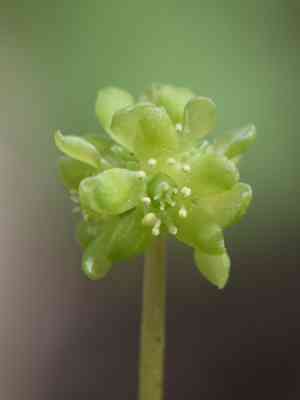
Adoxa moschatellina, a diminutive forest perennial, flourishes when reproduced through either division or root sections. Gently detach the rhizomes, causing minimal disruption to the root system, to guarantee successful establishment. Root sections ought to be acquired during periods of vigorous growth for peak root formation. This technique improves the likelihood of preserving the plant's distinct attributes.
When Is the Best Time to Multiply Muskroot?
Propagation Type
Cutting
Propagation Season
Spring,Summer
What Tools Are Used in Muskroot Propagation?
Sharp Pruning Shears
Sharp pruning shears are crucial for taking muskroot cuttings. They enable clean, precise cuts, minimizing damage to the parent plant and boosting the success rate of rooting. A clean cut reduces infection risk and promotes faster healing.
Rooting Hormone Powder
Rooting hormone powder encourages root development from muskroot cuttings. Applying this hormone to the fresh cut base of the cutting speeds up root formation, improves rooting success, and establishes a strong foundation for the new plant.
Sterilized Potting Mix
A sterile potting mix offers a disease-free environment for muskroot cuttings to root. It lowers the chance of soil-borne pathogens harming the delicate new roots. An ideal mix for muskroot would drain well yet retain sufficient moisture for root growth.
Humidity Dome
A humidity dome helps maintain proper moisture levels around muskroot cuttings. This is vital for preventing cuttings from drying out before roots can form. The dome also creates a micro-environment that aids gradual acclimatization as new roots develop.
Heat Mat
A heat mat promotes effective root development by keeping the soil temperature consistent, which is especially beneficial for muskroot. Stable warmth beneath the potting mix encourages quicker root growth and can significantly increase propagation success.
How to Propagate Muskroot?
Propagation Type
Easy
How to Care for Your Newly Propagated Muskroot?
How to Care for Your Newly Propagated Muskroot?
After propagation, keep the soil consistently moist but not waterlogged, and place the pot where muskroot receives indirect, filtered light. Gradually introduce the new plant to more direct light conditions based on its typical habitat, avoiding harsh sun exposure too soon. As it grows, monitor soil nutrient levels and supplement with a balanced fertilizer as needed to support healthy development.
Common Mistakes to Avoid When Propagating Muskroot
Overwatering
Excess moisture can cause root rot in muskroot, a condition that severely impairs the roots' ability to absorb nutrients and water, ultimately harming the plant's overall health.
Inadequate soil mixture
Using an unsuitable soil mix can hinder muskroot from developing a strong root system. Poor drainage and incorrect soil pH impede its growth and survival.
Ignoring natural growth patterns
Muskroot naturally forms tubers, and disregarding this trait by attempting to propagate solely through cuttings or seeds can be less effective and lead to propagation failures.
Tips For Propagating Muskroot
Appropriate moisture levels
Maintain moderate soil moisture. Overly wet conditions are detrimental, and allowing the soil to dry out completely impedes muskroot's growth.
Optimal soil condition
Use a well-draining soil mix with a slightly acidic to neutral pH. This mimics the natural forest-floor conditions where muskroot thrives, ensuring better growth and root development.
Propagation through division
Choose division to propagate muskroot effectively. This method respects its natural tuberous growth pattern, promoting more successful establishment of new plants.



