How to Prune Pheasant's eye?
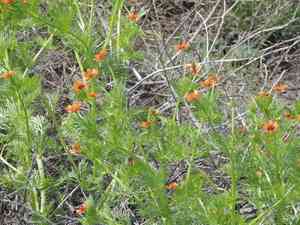
A striking annual featuring vibrant red blossoms, pheasant's eye flourishes with limited trimming. After the initial bloom, snip back to foster a denser shape and more flowers. Routinely remove spent blooms to inhibit self-propagation and extend the flowering period. The most opportune time for pruning is from late spring to early autumn, aligning with its growth phases. This targeted cutting enhances the plant's robustness and visual appeal. Always use sanitized implements to avert the transmission of pathogens. Excessive pruning may diminish the plant's hardiness and capacity for blooming.
What Are the Benefits of Pruning Pheasant's Eye?
What Are the Benefits of Pruning Pheasant's Eye?
Trimming pheasant's eye is crucial for encouraging robust development and a tidy form. Strategic cutting promotes a stronger, healthier plant structure, enhancing its decorative appeal.
What Is the Best Time for Pruning Pheasant's Eye?
What Is the Best Time for Pruning Pheasant's Eye?
For pheasant's eye, the optimal pruning period aligns with its growth cycle and seasonal factors. Late spring and early summer are ideal, as trimming can occur post-bloom to shape the plant or manage its size without impacting flowering. This timeframe follows winter dormancy and precedes active growth, allowing pheasant's eye to recover swiftly and foster healthier blooms for the subsequent season. Autumn pruning is not recommended, as it can stimulate new growth vulnerable to winter temperatures.
What Tools Do I Need to Prune Pheasant's Eye?
Bypass Pruners
Pheasant's eye is a somewhat delicate plant, and bypass pruners are perfect for making clean cuts without crushing its slender stems. These pruners operate like scissors and are excellent for snipping stems and deadheading.
Gardening Gloves
While pheasant's eye lacks thorns, gardening gloves are advisable to shield hands from potential irritants or other sharp objects in the garden when pruning pheasant's eye.
Hand Shears
For shaping or thinning the foliage of pheasant's eye, hand shears can be carefully used to clip off unwanted or excess growth without harming the plant. They are also useful for reaching into dense areas without damaging surrounding stems.
How to Prune Pheasant's Eye
Clean tools
Before beginning the pruning process, thoroughly clean and sanitize all pruning shears and tools to prevent the spread of disease to pheasant's eye.
Identify
Examine pheasant's eye closely to locate all withered leaves. Look for leaves that are dry, brown, and show signs of decay, which are clear indicators they no longer contribute to the plant's growth.
Cut method
Use a pair of sharp pruning shears to gently snip off the withered leaves at their base where they connect to the stem. Be careful not to damage the adjacent healthy tissue of pheasant's eye.
Dispose
Gather the removed withered leaves and discard them properly, away from the garden area, to minimize the risk of disease or pest infestation in pheasant's eye.
Monitor
After pruning, regularly observe pheasant's eye for new growth and additional withered leaves that may require future trimming to maintain the plant's health and appearance.
Common Pruning Mistakes with Pheasant's Eye
Over-pruning
Removing too much foliage can stress pheasant's eye and impede its ability to thrive. This plant is relatively delicate and needs minimal pruning; excessive cutting may lead to weak growth or even plant death.
Improper tool use
Using dull or dirty tools can cause unnecessary damage to pheasant's eye's stems, making it more vulnerable to diseases. Clean, sharp pruning shears are essential for making precise cuts.
Wrong technique
Cutting pheasant's eye too close to the main stem or leaving a long stub can result in poor healing and increased susceptibility to pests and diseases. It's important to cut just above a leaf node or branching point.
Ignoring plant health
Pruning pheasant's eye without first checking for signs of stress, disease, or pests can spread problems throughout the plant. Gardeners should inspect the plant and address any issues before beginning to prune.
Common Pruning Tips for Pheasant's Eye
Selective thinning
For pheasant's eye, it's better to selectively thin out crowded areas to improve air circulation, rather than giving a uniform trim. This preserves the plant's natural shape and enhances its overall health.
Post-flowering pruning
Although timing is not a focus here, pruning pheasant's eye immediately after blooming supports the development of next season's buds without accidentally removing them.
Minimalist approach
Since pheasant's eye doesn't require extensive pruning, a conservative approach should be used. Snipping away dead or weak stems is sufficient for maintaining the plant's vigor and appearance.
Sterilization of tools
Sterilizing pruning tools before and after use can prevent the spread of disease among pheasant's eye specimens or to other plants. A simple wipe with alcohol or a bleach solution works effectively.
Protective cut
When cutting back pheasant's eye, make an angled cut to prevent water accumulation, which could lead to rot or fungal infections. This promotes quicker healing and deters diseases.



