How to Propagate Pheasant's eye?
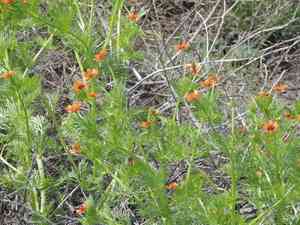
Pheasant's eye can be effectively reproduced by seeding. The seeds ought to be planted in soil that drains properly, lightly covered, and kept damp throughout the sprouting process. It is preferable to sow these seeds directly where they will permanently grow, as they do not tolerate relocation effectively. Germination rates are enhanced by consistent hydration and ensuring the growing medium is neither excessively saturated nor parched. Meticulous oversight is vital, given that pheasant's eye is susceptible to excessive watering, which can foster fungal infections.
Optimal Time for Pheasant's Eye Propagation
Propagation Method
Seeding
Propagation Period
Spring
Tools for Pheasant's Eye Propagation
Seed trays
Seed trays are crucial for initiating pheasant's eye from seeds, offering an organized space for effective sowing and germination. Their compact design aids in maintaining uniform soil conditions for multiple seeds, vital for pheasant's eye's specific growth needs.
Fine-grade vermiculite
Fine-grade vermiculite is suggested as a medium for sowing pheasant's eye's seeds due to its excellent water retention and aeration. This ensures the delicate seeds of pheasant's eye receive ideal moisture and air circulation without waterlogging, boosting germination rates.
Misting spray bottle
A misting spray bottle is used to gently water pheasant's eye seeds without dislodging them. This tool allows precise control over water application, providing a fine mist that keeps soil moist without erosion or exposing seeds, critical for successful pheasant's eye germination.
Transparent dome or plastic cover
This tool functions as a humidity and temperature control system when placed over seed trays. The transparent dome or plastic cover helps create a greenhouse-like environment, significantly aiding pheasant's eye germination by maintaining high humidity and stable temperatures, essential for this species' growth.
Labels and markers
Using labels and markers is important for identifying and tracking pheasant's eye's different growth stages and specific care needs. This tool ensures organized propagation, especially with multiple species or variants, preventing cross-contamination and ensuring specific care for pheasant's eye.
How to Propagate Pheasant's Eye?
Propagation Type
Simple
Caring for Your Newly Propagated Pheasant's Eye
Caring for Your Newly Propagated Pheasant's Eye
Once pheasant's eye seeds germinate and seedlings are established, gradually reduce watering frequency, ensuring the soil stays slightly moist. Protect young plants from harsh weather and keep the area weed-free to minimize nutrient competition. As pheasant's eye matures, it tolerates drier conditions better but thrives with occasional watering during extended dry periods.
Common Mistakes to Avoid When Propagating Pheasant's Eye
Over-watering
Excessive water can lead to waterlogging, potentially causing root rot and fungal diseases in pheasant's eye. Too much moisture suffocates the plant's roots by limiting air access, hindering growth and possibly killing seedlings.
Planting seeds too deeply
Pheasant's eye's seeds are small and need light for effective germination. Planting them too deep might prevent sufficient light, resulting in poor or failed germination.
Ignoring soil composition
Pheasant's eye prefers well-drained sandy or loamy soil. Using heavy, clay-rich soil can impede drainage and root development, stressing the plant and potentially leading to its demise.
Excessive handling of seeds or seedlings
Pheasant's eye has delicate seedlings. Excessive handling or disturbance can damage young roots and shoots, stunting growth or causing death.
Neglecting to acclimate seedlings
Failing to gradually acclimate seedlings to outdoor conditions can shock them, leading to wilting or failure to thrive once planted outdoors.
Tips For Propagating Pheasant's Eye
Use shallow seeding depth
Sow pheasant's eye seeds just beneath the soil surface, ensuring they are lightly covered. This shallow planting aids successful germination by allowing seeds access to sufficient light.
Maintain moderate moisture levels
Keep the soil consistently moist but not waterlogged. Using a fine mist to water seeds can prevent washing them away or burying them deeper into the soil.
Prepare suitable soil
Use a sandy loam soil with good drainage to promote healthy root growth. Amend heavy soils with sand or compost to improve texture and nutrient content.
Handle seedlings with care
Transplant pheasant's eye seedlings delicately to avoid disturbing roots. Use a tool like a plant label to gently lift roots from the soil during transplantation.
Acclimate seedlings gradually
Expose seedlings to outdoor conditions gradually over several days. Start with short periods of outside exposure and progressively increase their duration before planting them fully outdoors to enhance survival rates.



