How to Prune Baneberry?
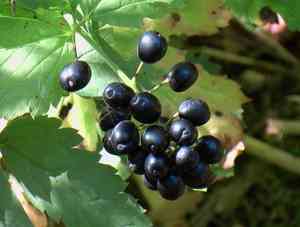
Renowned for its striking white flower clusters and poisonous fruit, baneberry benefits from periodic trimming. Essential methods include eliminating deceased or compromised stalks to encourage robust development and potentially boost berry yield. The most effective time for pruning is after the blooming period, generally from late spring through summer, to safeguard the current season's blossoms. Trimming not only sustains an appealing form but also enhances air movement, thereby lowering the likelihood of fungal infections.
What Are the Benefits of Pruning Baneberry?
What Are the Benefits of Pruning Baneberry?
Trimming baneberry ensures its vitality and tidy appearance; cutting back after blooming encourages fresh growth and may boost next season's yield. Strategic cuts prevent congestion, crucial for overall well-being.
What Is the Best Time for Pruning Baneberry?
What Is the Best Time for Pruning Baneberry?
Trimming baneberry in late winter to early spring, prior to new growth, eliminates damaged or diseased sections and shapes the plant while it's dormant, reducing stress and fostering robust spring development. Summer pruning, performed immediately after baneberry flowers, aids in removing spent blooms and can deter unwanted seed dispersal, keeping the plant neat and potentially promoting more blossoms the subsequent season. Furthermore, pruning at these times allows gardeners to view baneberry's structure without foliage, ensuring precise cuts, and prevents severing new buds that emerge in spring. It also avoids exposing fresh cuts to harsh winter conditions that could cause harm or illness and bypasses the sap flow period of late spring/early summer, which can lead to excessive bleeding and stress for baneberry.
What Tools Do I Need to Prune Baneberry?
Bypass Pruners
Perfect for creating clean, accurate cuts, bypass pruners are suitable for baneberry's stems. Their sharp, curved blades operate like scissors to prevent bruising or tearing plant tissue, encouraging healthy regrowth.
Gloves
Protective gloves are essential when trimming baneberry to prevent skin irritation from its sap and to guard against thorns or sharp edges.
Pruning Saw
For any thicker, woody stems that bypass pruners cannot manage, a pruning saw with fine teeth is recommended to make clean cuts without harming baneberry.
Lopping Shears
If baneberry has matured and developed branches of a larger diameter, lopping shears can be utilized due to their extended handles, providing greater leverage for thicker cuts.
How to Prune Baneberry
Disinfect Tools
Before trimming baneberry, sanitize pruning tools to prevent disease spread. Use a solution of 1 part bleach to 9 parts water or rubbing alcohol.
Remove Diseased Leaves
Carefully inspect baneberry and remove any affected leaves. Use clean, sharp scissors or pruners to cut the leaves at their base without harming the stem.
Trim Withered Leaves
Remove withered leaves from baneberry to encourage healthy growth and improve air circulation. Cut back to just above a node or a healthy set of leaves.
Cut Diseased Stems
Identify and sever diseased stems on baneberry. Make cuts at a 45-degree angle, a few inches below the affected areas, ensuring not to damage healthy tissue.
Cleanup
After trimming baneberry, clear away all removed plant material from the area to reduce the chances of disease spreading. Dispose of diseased plant parts properly.
Common Pruning Mistakes with Baneberry
Over-Pruning
Cutting back too much of baneberry can result in weakened plants and fewer flowers. It's important to prune no more than one-third of the plant at a time.
Improper Cuts
Making cuts too far from a bud, or cutting directly above one can harm the plant. Prune just above an outward-facing bud to encourage healthy new growth.
Neglecting Deadheads
Failing to remove spent blooms can prevent baneberry from producing more flowers. Deadheading promotes additional blooming by redirecting the plant's energy to new growth.
Ignoring Diseased Wood
Neglecting to remove diseased or damaged wood can impair the health of baneberry. Pruning away affected areas helps to prevent the spread of disease and encourages healthier growth.
Pruning For Shape Only
Focusing solely on the shape of baneberry without considering the health and natural form can lead to a less vigorous plant. Balanced pruning takes both aesthetics and plant health into account.
Common Pruning Tips for Baneberry
Sharp Tools
Use clean, sharp pruning shears to make clean cuts that heal quickly, minimizing the risk of disease.
Hygiene
Sterilize tools before and after pruning baneberry to prevent the spread of disease among plants.
Selective Pruning
Carefully select which stems to prune, favoring the removal of older wood to encourage new growth and maintain a strong, healthy plant structure.
Timing Of Cuts
Although the best season for pruning is not to be mentioned, the timing of individual cuts during the pruning session is crucial. Make cuts during a dry day to reduce the likelihood of disease infiltration.
Observation
Regularly inspect baneberry for dead, damaged, or diseased growth, and prune as necessary to maintain plant health and vigor.
Nature-Led Guidance
Follow the natural shape of baneberry when pruning; this helps maintain a healthy growth pattern and a visually appealing form.



