Enhancing Your Garden Design with the Baneberry Plant: A Landscaping Guide
1
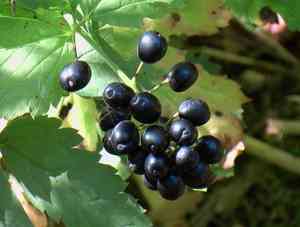
Baneberry offers a distinctive aesthetic with its characteristic leaves and fruits.
2
Selecting the appropriate location and period for Baneberry cultivation is essential.
3
Proper care of Baneberry guarantees its sustained enhancement of garden aesthetics and environmental benefits.
Introducing Baneberry to Your Outdoor Space
Appreciate Baneberry's Visual Characteristics
When adding Baneberry to your garden, it's crucial to recognize its visual qualities. The plant showcases striking foliage and berries that can bring a dramatic touch to any landscape. These features make Baneberry not only a beautiful addition but also a talking point among your garden visitors.
Selecting the Optimal Location for Baneberry
Where you place Baneberry in your garden can greatly impact its development and visual appeal. Ideally, choose a spot with partial shade to ensure the plant flourishes. Avoid overly sunny areas, as too much sunlight can harm its delicate leaves. Well-drained soil is also vital, so consider garden areas where water drains efficiently.
Seasonal Factors for Baneberry Planting
The timing of your planting can significantly affect Baneberry's success. Fall or early spring is the best period to plant, as temperatures are moderate and favorable for root establishment. Avoid planting during extreme weather conditions to prevent stress on the plant, ensuring it settles well in its new environment.
Designing Your Garden with Baneberry
Achieving Color Harmony with Baneberry
Baneberry's distinct colors can be utilized to complement and enhance other hues in your garden. The deep shade of its berries can beautifully contrast with lighter-colored plants, providing a balanced and visually pleasing look. Consider pairing with white or light pink blooms to create a striking color scheme that captures attention.
Ensuring Garden Design Balance
Integrating Baneberry into your garden isn't solely about color; it's also about equilibrium. Use the plant to fill empty spaces and add volume to areas that appear sparse. Its unique structure can provide a vertical element that improves the overall design, ensuring your garden possesses depth and character.
Combining Baneberry with Other Flora
Mixing Baneberry with other plants can create a cohesive and harmonious garden. Pair it with shade-loving perennials to achieve a layered effect. Blending it with groundcovers or ferns can also enhance its appearance by adding textural variety, resulting in a more dynamic and engaging garden space.
Maintaining Baneberry's Allure
Regular Inspections for Healthy Growth
Consistent monitoring of Baneberry is essential to ensure its continued health. Look for indications of pests or diseases, such as discolored or damaged leaves. Prompt action can prevent minor issues from escalating, ensuring Baneberry continues to thrive and contribute to your garden's beauty.
Seasonal Care Recommendations
Each season presents distinct challenges and opportunities for Baneberry maintenance. In spring, prune any dead branches to encourage new growth. During summer, ensure the plant receives adequate water, especially during dry periods. In autumn, apply mulch to protect the roots from cold, ensuring the plant remains robust through winter.
Long-Term Care Approaches
Long-term care for Baneberry involves more than just seasonal upkeep. Regularly enriching the soil with compost can supply necessary nutrients. Consider reviewing the garden layout annually to ensure Baneberry and its companions are growing well together, making adjustments as needed to maintain an optimal garden design.
Baneberry's Role in Sustainable Landscaping
Contributing to Ecological Diversity
Baneberry plays a significant part in boosting garden biodiversity. Its unique flowers and berries can attract beneficial insects and birds, fostering a healthy and balanced ecosystem. Introducing such plants can help create habitats for various species, making your garden a sanctuary for wildlife.
Water Conservation Considerations
Incorporating Baneberry into your garden can also support water-saving efforts. The plant's preference for shaded and moist environments can lessen the need for frequent irrigation. By strategically placing Baneberry in areas that receive natural shade, you can optimize water usage and contribute to a more sustainable garden.
Supporting Local Fauna
Beyond its aesthetic appeal, Baneberry can offer crucial support to local wildlife. Birds, in particular, may rely on its berries as a food source. Additionally, the plant's dense foliage can provide shelter for various small animals, further enriching the biodiversity and ecological balance of your garden.



