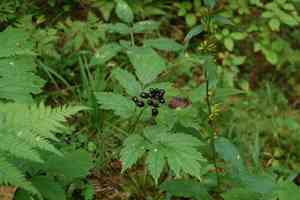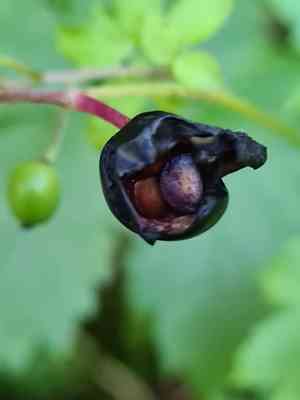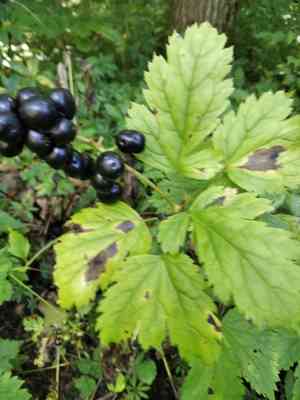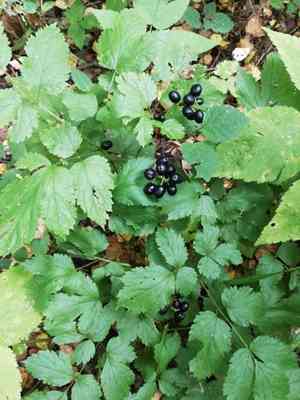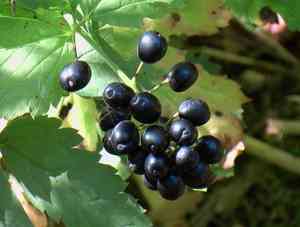
Baneberry(Actaea spicata)

Baneberry (Actaea spicata)

Also known as: Spiked baneberry

Baneberry, a common choice for cottage and wildlife gardens, as well as borders, banks, and slopes, is a visually appealing but toxic perennial. Here are essential precautions for handling it:

1. **Gloves**: Always wear gloves to avoid direct skin contact with the plant, as all parts are toxic.
2. **Wear Protective Clothing**: Long sleeves and pants can further protect against accidental skin exposure.
3. **Avoid Consumption**: Ensure no parts of the plant, especially its berries and roots, are ingested.
4. **Clean Up**: Wash hands and tools thoroughly after working with baneberry.
5. **Educate Others**: Make sure family members, especially children, are aware of the plant’s toxicity.

These measures will help ensure safe handling of this attractive yet hazardous plant.

Attributes of Baneberry

Lifespan
Perennial
Plant Type
Herb
Plant Height
30 cm to 70 cm
Spread
10 cm to 50 cm
Leaf Color
Green
Flower Size
6 mm to 8 mm
Flower Color
White

ForwardPlant - Identify plants with a snap

Identify and diagnose plants, get toxicity alerts, and explore safety guides for all types of fungi.

Try for Free

Images of Baneberry

Baneberry(Actaea spicata)

Quickly Identify Baneberry

1
Actaea spicata can be identified by its distinctive compound leaves, which are divided into three lobed leaflets, and its small white flowers that grow in dense clusters. The plant produces black or dark-purple berries that are highly toxic if ingested.

Scientific Classification of Baneberry

Phylum
Vascular plants
Class
Dicotyledons
Order
Ranunculales
Family
Buttercup
Genus
Baneberries
Species
Baneberry

Planting and Growing of Baneberry

Care Difficulty
Easy
Watering Schedule
Every 4 days
Sunlight Requirements
Partial sun
Sunshine Duration
4-12 hours
Ideal Temperature
59-68℉
Soil Type
Potting Mix, Peat Mix
Soil pH
6.5-7.5
Fertilizer Type
Balanced
Pruning Season
Spring, Summer
Pruning Area
Branches, Leaves
Pruning Frequency
2 times a year
Repotting Season
Spring
Pot Type
Plastic, Ceramic

water icon How to Water Baneberry?

Actaea spicata requires a moderate amount of water, about 200 ml each time. The key is to allow the top few centimeters of soil to dry slightly before watering again. Ensuring that water seeps through the soil but doesn't pool is essential to prevent root rot.
What are the symptoms of an underwatered Baneberry?
What should I do if my Baneberry is not getting enough water?
What are the symptoms of an overwatered Baneberry?
How to save an overwatered Baneberry?

sunlight icon What Are the Sunlight Requirements for Baneberry?

Sunlight Requirements: Partial sun, Full shade
Duration of light: 2 to 4 hours daily
Partial shade conditions are ideal, offering 2 to 4 hours of gentle sunlight daily. This light range supports Actaea spicata's photosynthesis efficiently without overwhelming its leaves, keeping the plant healthy and aesthetically pleasing.
Optimal Sun Exposure
Light Source Solutions
Lighting Benefits
More About Sunlight Requirements Techniques

temperature icon What Is the Ideal Temperature Range for Baneberry?

Ideal Temperature: 59 ~ 68℉
For optimal growth, Actaea spicata thrives best in a temperature range between 59°F and 68°F. This range facilitates proper photosynthesis and nutrient absorption, ensuring the plant maintains robust and healthy growth. It is crucial to keep the temperature consistent to prevent stress and ensure the plant remains flourishing.

soil icon What Soil is Best for Baneberry?

Soil type: Loam, Clay soil
Soil PH: 6.5 ~ 7.5
Actaea spicata thrives in nutrient-rich soil, which provides all the necessary elements for optimal growth. Organic matter should be abundant, ensuring the plant absorbs vital minerals and supports lush foliage. Proper drainage is crucial to prevent waterlogging, which can lead to root rot. The soil should allow excess moisture to escape, ensuring healthy root systems and avoiding stagnation that could harm the plant. Although well-draining, the soil should retain enough moisture to keep the roots hydrated. Consistent moisture levels support vigorous growth and prevent stress, especially during dry seasons.

fertilize icon How to Fertilize Baneberry?

Fertilizer type: Balanced
Actaea spicata requires a balanced and moderated fertilization approach. Use a balanced liquid fertilizer diluted to half-strength for monthly applications during the growing season. Over-fertilization can lead to lush foliage but poor blooming, so moderation is key.

prune icon How to Prune Baneberry?

Pruning Time: Spring, Autumn
First, carefully examine the Actaea spicata to identify any healthy stems, which are typically strong and green. Retain these stems as the backbone of the plant, ensuring that they are well-spaced to allow for proper air circulation and light exposure throughout the plant. Focus your pruning efforts on removing dead, diseased, or damaged branches. Use clean, sharp pruning shears to make precise cuts where these branches meet healthy wood. This step is crucial to prevent any potential spread of disease and to maintain the plant's vigor. After addressing any unhealthy growth, shape the plant by selectively cutting overgrown branches to preserve its natural form. Pay attention to areas where growth is excessively dense, as thinning these areas will improve light penetration and air circulation. More About Pruning Techniques

propagate icon How to Propagate Baneberry plant?

Propagate Time: Early spring, Late spring, Early autumn
1
To propagate Actaea spicata from seed, collect ripe seeds in autumn. Stratify the seeds by placing them in moist sand in the refrigerator for several weeks to break dormancy.
2
Sow stratified seeds in early spring in seed trays filled with well-draining soil. Cover the seeds with a thin layer of soil and water gently. Maintain consistent moisture for successful germination.
3
For division propagation, dig up a mature Actaea spicata plant in early autumn. Carefully separate the root clumps, ensuring each division has roots attached, and replant them immediately.
More About Propagating Techniques

repot icon How to Repot Baneberry plant?

Repotting frequency: Every 2-3 years
1
Actaea spicata indicates the need for repotting when you notice roots growing out of the drainage holes or the plant itself becomes top-heavy and unsteady. These signs usually suggest the plant has outgrown its current pot, and it’s time to give it more room to breathe and thrive.
2
Select a pot that is one size larger than the current one, usually 1-2 inches bigger in diameter. Ensure it has sufficient drainage holes to avoid waterlogging. A clay pot can be beneficial for its breathable material, which helps prevent overwatering and root rot, essential for the sensitive roots of Actaea spicata.
3
Opt for a well-draining loamy soil that retains enough moisture for root health but ensures excess water escapes easily. Incorporate organic matter, like compost, to provide essential nutrients which support growth while maintaining an airy texture to enhance root development.

ForwardPlant - Identify plants with a snap

Find the best spots for them to optimize their health, simply using your phone.

Try for Free

Toxicity

ingestion

Identify toxic plants for your safety

Learn which plants are harmful to you and your pets, and make informed choices for a safer home!

Try for Free
WARNING
The judgment on toxicity and danger is for reference only. We DO NOT GUARANTEE any accuracy of such judgment. Therefore, you SHALL NOT rely on such judgment. It is IMPORTANT TO SEEK PROFESSIONAL ADVICE in advance when necessary.