How to Prune Sneezewort?
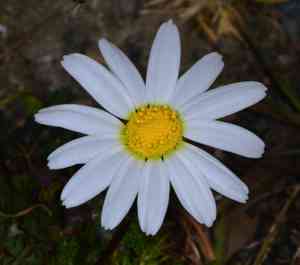
This enduring herbaceous species, recognized for its delicate leaves and groupings of tiny, white, aromatic flowers, thrives with judicious trimming to preserve its form and stimulate robust development. Essential pruning methods involve removing faded flowers to foster additional blossoming and reducing the entire plant post-flowering to revitalize its look. Pruning is ideally carried out in Spring, Summer, or Autumn, coinciding with sneezewort's periods of active development. Consistent trimming averts excessive growth, promotes a dense structure, and can enhance the profusion of its flowers.
Advantages of Trimming Sneezewort
Advantages of Trimming Sneezewort
Trimming sneezewort encourages more flower production, ensures robust development, and preserves its desired form. This careful cutting can result in a healthier, more visually appealing plant, with improved floral displays.
Optimal Time for Pruning Sneezewort
Optimal Time for Pruning Sneezewort
Late spring is ideal for pruning sneezewort, occurring after the frost risk has passed, allowing cuts to heal without damage. Early summer is suitable for cutting back faded blooms to promote a second flowering and maintain a compact plant shape. Fall pruning is beneficial for removing dead or diseased foliage, helping to prevent issues like fungal infections over winter. These periods align with sneezewort's growth cycle, fostering vigorous growth and directing the plant's energy towards healthy shoots, leading to strong health and abundant blossoms.
Tools Required for Pruning Sneezewort
Bypass Pruners
Perfect for making clean cuts on sneezewort's stems without crushing plant tissue.
Gardening Shears
Enable shaping and trimming sneezewort's foliage to maintain a tidy appearance.
Garden Scissors
Useful for deadheading sneezewort flowers and performing precise tasks.
Long-Handled Loppers
Assist in reaching the interior of sneezewort's clumps if needed, without harming surrounding plant material.
Pruning Saw
Suitable for removing any old, woody stems of sneezewort, if present, without causing undue stress to the plant.
How to Prune Sneezewort
Sanitize Tools
Before beginning the pruning process for sneezewort, ensure all cutting tools are properly disinfected. This prevents disease transmission and encourages healthy growth.
Remove Diseased Leaves
Carefully inspect sneezewort and use the sanitized pruning shears to remove any leaves showing signs of illness. Make cuts at the base of the affected leaves to thoroughly eliminate potential infection sources.
Trim Withered Leaves
Identify and cut away any dried or dead leaves. For sneezewort, make the cuts close to the stem to promote healthy new foliage.
Deadhead Flowers
Deadhead spent flowers on sneezewort by cutting the faded flower stems, just above the first set of healthy leaves. This will encourage further blooming and prevent the plant from self-seeding excessively.
Healthy Growth Maintenance
After removing unwanted parts, check sneezewort for its overall form. Lightly trim any excessively long or straggly stems to maintain a compact and attractive growth habit.
Common Pruning Errors with Sneezewort
Excessive Pruning
Removing too much foliage or too many stems, which can weaken sneezewort and diminish its ability to thrive.
Incorrect Tool Use
Using dull or unclean pruning tools, which can cause jagged cuts and open wounds, attracting pests and diseases.
Neglecting Deadheading
Failing to regularly deadhead spent flowers, which can lead to a reduction in blooming for sneezewort.
Ignoring Disease Control
Not inspecting for diseased or damaged stems during pruning, which should be removed to maintain plant health.
Poor Cut Placement
Making cuts too far from the node, which can result in unsightly stems and impede the emergence of new growth.
General Pruning Advice for Sneezewort
Selective Pruning
Prune sneezewort selectively, removing only the necessary parts to shape the plant and encourage new growth.
Clean Cuts
Make clean cuts at a 45-degree angle just above a leaf node or branching point to promote swift healing and new growth.
Timely Deadheading
Regularly deadhead spent blooms to encourage continued flowering throughout the season.
Disease Management
Regularly inspect and immediately remove any diseased or damaged stems to prevent the spread of pathogens.
Pruning Extent
Understand the growth habits of sneezewort and limit pruning to what is necessary, as it typically responds well to a light hand.



