The Sneezewort Plant Advantage: Maximizing Home and Office Appeal and Wellness
1
Sneezewort naturally deters a range of insect nuisances.
2
Sneezewort is effective for soothing slight skin discomforts.
3
Sneezewort flourishes in damp, adequately draining ground.
Understanding Sneezewort
Origins and Characteristics
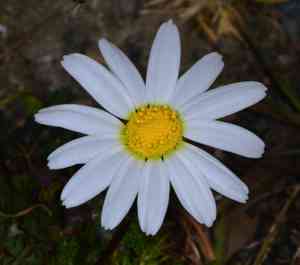
Sneezewort is a robust perennial plant indigenous to Europe and parts of Asia. It typically reaches a height of approximately 1 to 2 feet, displaying small, white, daisy-like blossoms that appear throughout the summer. The plant flourishes in moist, well-drained soil and can be found in wetlands, damp meadows, and along riverbanks.
Botanical Features
The foliage of Sneezewort is dark green, slender, and finely serrated, giving the plant a delicate, feathery look. These leaves not only enhance its visual appeal but also contain various compounds recognized for their beneficial attributes.
Benefits of Growing Sneezewort in Your Garden
Natural Pest Deterrent
A significant advantage of Sneezewort is its capacity to deter insect pests. The plant emits an aroma that is off-putting to many garden nuisances, including aphids and caterpillars. This makes it an excellent companion plant for vegetables and other vulnerable plants, reducing the need for chemical pesticides.
Attracts Pollinators
While Sneezewort repels harmful insects, it simultaneously draws in beneficial ones, such as bees and butterflies. These pollinators are vital for the reproduction of numerous plants, making Sneezewort a valuable addition to any garden focused on ecological balance.
Practical Applications of Sneezewort
Culinary Uses
Though not widely used in modern cooking, Sneezewort has been incorporated into various traditional dishes. Its mildly bitter leaves can be used to flavor soups and stews, imparting a distinctive taste to your culinary creations.
Topical Benefits
Sneezewort has a long history of use in traditional herbal remedies for its skin-soothing properties. An infusion made from its leaves and flowers can be applied externally to alleviate minor skin irritations and insect bites.
Successful Cultivation of Sneezewort
Optimal Growing Conditions
Sneezewort thrives in moist, well-drained soil and prefers a location with full to partial sunlight. It is particularly well-suited to regions with cooler climates, though it can withstand a range of temperatures.
Propagation Methods
Sneezewort can be propagated by sowing seeds or by dividing established plants. Seeds should be planted in the spring, while division is best performed in the autumn to allow the plant time to establish before the winter months.
Environmental Impact of Sneezewort
Soil Enhancement
Cultivating Sneezewort can actually improve the quality of your garden's soil. The plant's extensive root system helps to aerate the soil and increase its organic matter, making it more fertile and better able to retain moisture.
Support for Local Wildlife
Sneezewort provides a habitat and food source for various forms of local wildlife, including insects and small mammals. Its presence in your garden can contribute to increased biodiversity and ecological stability.



