
Sneezewort (Achillea ptarmica)
Also known as: Goose tongue, Sneezeweed
Sneezewort (Achillea ptarmica), commonly referred to as fair-maid-of-France, is a perennial flowering plant. The name "ptarmica" translates to "causes sneezing" in Greek. This plant is edible, and its leaves can be enjoyed either raw or cooked. If you decide to cultivate sneezewort in your garden, ensure it receives ample sunlight.
Attributes of Sneezewort
Images of Sneezewort
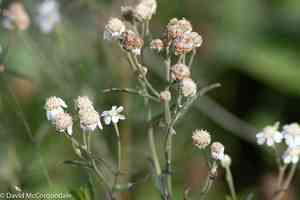
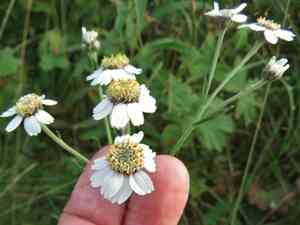
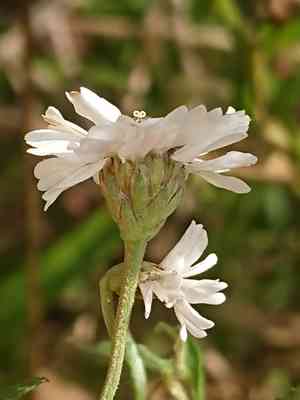

Quickly Identify Sneezewort
Scientific Classification of Sneezewort
Planting and Growing of Sneezewort
 How to Water Sneezewort?
 What Are the Sunlight Requirements for Sneezewort?
 What Is the Ideal Temperature Range for Sneezewort?
 What Soil is Best for Sneezewort?
 How to Fertilize Sneezewort?
 How to Prune Sneezewort?
 How to Propagate Sneezewort plant?
 How to Repot Sneezewort plant?
Toxicity of Sneezewort
Is Sneezewort toxic to cat?
Sneezewort has a moderate level of toxicity for cats, which can result in various health complications if any portion of the plant is consumed. The toxic nature of the plant can cause physical distress in cats, manifesting as gastrointestinal issues and other symptoms related to poisoning. Given that the whole plant is toxic, cats are at risk of poisoning from accidentally consuming any part of sneezewort. If there is a suspicion that a cat has ingested sneezewort, it is crucial to promptly seek professional veterinary assistance to ensure appropriate treatment is administered.
Is Sneezewort toxic to dog?
Sneezewort presents a moderate toxicity risk to dogs. Canines may inadvertently consume various parts of this plant, which can lead to potential poisoning. The entire plant is hazardous, and ingestion can provoke a range of concerning symptoms. If a dog ingests sneezewort, they may show signs such as vomiting, diarrhea, excessive drooling, lethargy, or more serious reactions depending on the quantity consumed. It is essential for dog owners to closely monitor their pets and restrict access to sneezewort. If a dog exhibits any negative symptoms after potential ingestion, seeking immediate veterinary assistance is critical to ensure timely and effective treatment.



