Enhancing Your Garden Design with the Sneezewort Plant: A Landscaping Guide
1
Sneezewort flourishes in soil that drains effectively and in locations with ample sunlight to some shade.
2
Planting Sneezewort is most ideal during the spring season or in the early autumn.
3
Sneezewort serves well as a central feature, an edging plant, or a low-growing cover in garden designs.
Key Aspects of Sneezewort for Garden Design
Fundamental traits of Sneezewort: dimensions and growth patterns
Sneezewort, also known as Sneezewort, is a perennial plant recognized for its vigorous growth and appealing flowers. Typically, Sneezewort reaches a height of approximately one to two feet, making it adaptable for various landscape layouts. This resilient plant thrives in USDA zones 3-9, indicating its tolerance to diverse climates. It exhibits a clumping growth habit, providing a dense and full appearance in gardens. A primary advantage of incorporating Sneezewort into your landscape is its minimal upkeep, making it suitable for both new and experienced gardeners.
Seasonal considerations: Optimal periods for planting Sneezewort
To ensure the best development and vitality for Sneezewort, precise timing of planting activities is essential. The most favorable times for planting are during spring and early autumn. Spring planting allows the plant to establish roots before summer's heat, while fall planting offers cooler temperatures and moist soil conditions crucial for root development. However, in warmer regions, autumn might be the preferred planting time to avoid summer heat stress on young plants.
Hue and texture: How Sneezewort enhances visual appeal
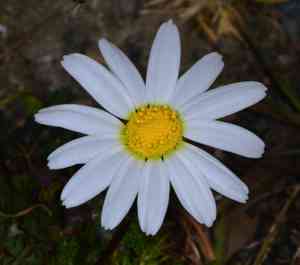
Sneezewort provides a delightful visual charm with its delicate white blossoms that appear from midsummer to early fall. The bright flowers beautifully contrast with its green foliage, bringing a fresh and tranquil aesthetic to any garden area. Its finely textured leaves add intricate detail that complements other plants with broader leaves or different textures. By integrating Sneezewort, you can create a visually engaging landscape that captures attention and elevates the overall beauty of your garden.
Choosing and Positioning Sneezewort
Selecting the appropriate Sneezewort variety for diverse landscape environments
Sneezewort is available in various cultivars that can suit different landscape settings. When choosing the right variety, consider your garden's specific requirements and aesthetic preferences. Some varieties may have slightly different heights or bloom times, offering flexibility in your design. For instance, shorter varieties might be better for border plantings, while taller ones can create striking focal points or backdrops. Always ensure the chosen variety aligns with your garden's soil conditions and sunlight availability.
Strategic placement: Maximizing aesthetic and ecological advantages
Thoughtful placement of Sneezewort can enhance both its visual appeal and environmental benefits. Plant Sneezewort in areas receiving full sun to partial shade for optimal growth. Consider using Sneezewort as a border plant for paths or garden beds, where its flowers can create an inviting edge. Additionally, grouping Sneezewort can boost its visual impact and encourage better pollination from visiting bees and butterflies, which are naturally drawn to its blooms. Such placement can also aid in controlling soil erosion and improving your garden ecosystem's overall health.
Companion planting: What thrives alongside Sneezewort
Companion planting with Sneezewort can improve both the health and appearance of your garden. Sneezewort pairs well with other perennials like lavender, salvia, and echinacea, which share similar sun and soil needs. These companions not only complement Sneezewort's aesthetics with their varied colors and textures but also help attract beneficial insects and deter pests. When planning your garden, consider plant height, bloom time, and texture to create a harmonious and flourishing landscape.
Garden Design Concepts Featuring Sneezewort
Establishing focal points with Sneezewort in garden layouts
Creating a focal point in your garden design using Sneezewort can draw attention and add structure to the space. Utilize taller varieties of Sneezewort as central elements in circular garden beds or as prominent features in mixed perennial borders. The plant's abundant blooms and lush foliage naturally attract the eye, providing a delightful centerpiece that stands out among other plants. For added impact, surround Sneezewort with shorter plants or those with contrasting foliage to highlight its beauty.
Integrating Sneezewort into borders and edges
Sneezewort is an excellent choice for borders and garden edges due to its manageable height and attractive blooms. Plant Sneezewort along pathways, driveways, or the perimeters of garden beds to create a defined border that adds a touch of elegance. Its ability to thrive in well-drained soils with minimal care makes it ideal for these locations, where it can neatly edge gardens without encroaching on other plants. The plant's flowers create a charming outline that can beautifully guide visitors through your garden space.
Utilizing Sneezewort for ground cover: practical advice and benefits
Employing Sneezewort as a ground cover can offer both practical and aesthetic advantages. Its dense, clumping growth habit effectively covers soil, helping to suppress weeds and retain soil moisture. To use Sneezewort as ground cover, plant it in well-drained soil with adequate spacing to allow for spread. As it grows, Sneezewort forms a thick mat of foliage and flowers, providing a lush green carpet accented with white blooms. This coverage not only enhances the garden's appearance but also supports soil health and erosion control.



