How to Prune Italian maple?
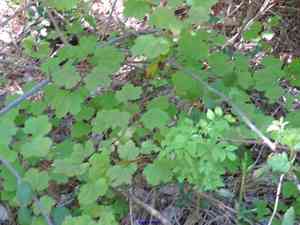
The italian maple, a deciduous tree recognized for its sleek, grey bark and fall leaves ranging from yellow to red, thrives with consistent trimming. Key methods involve excising dead or ailing limbs, reducing dense sections to enhance airflow, and sculpting for robust structure. The ideal time for pruning is in late winter to early spring, prior to the ascent of sap. Trimming at this juncture lessens sap leakage and guards against wound contamination, fostering robust development and preserving the tree's attractive silhouette.
Advantages of Trimming Italian Maple
Advantages of Trimming Italian Maple
Trimming italian maple not only promotes robust development but also aids in preserving its desired form. Strategic cutting back can foster a strong framework and an attractive shape, crucial for italian maple's overall well-being and garden aesthetic.
Optimal Period for Trimming Italian Maple
Optimal Period for Trimming Italian Maple
Trimming italian maple during late winter or early spring is ideal as the plant is in its dormant state. This timing allows gardeners to shape the tree without causing stress, as sap flow is minimal, reducing the risk of sap bleeding and infections. Furthermore, pruning before new growth emerges ensures that cuts will heal rapidly once growth commences, helping italian maple direct its energy towards producing fresh, healthy growth that season. Removing dead or diseased branches during this period also prevents the potential spread of pathogens that can be more active in warmer months. Pruning before the tree fully leafs out also offers better visibility to assess the tree's structure and make precise cuts.
Tools Required for Trimming Italian Maple
Bypass Pruners
Perfect for making clean cuts on italian maple's smaller, living branches, minimizing damage to the plant's vital tissues.
Loppers
Suitable for reaching higher branches on italian maple or for cutting through thicker branches, typically up to 1.5 inches in diameter.
Pruning Saw
Essential for branches exceeding 1.5 inches in thickness, where hand pruners or loppers are insufficient. The saw enables precise cutting of larger limbs.
Pole Pruners
Extendable and useful for trimming elevated branches without needing a ladder, offering a safer method to prune the upper sections of italian maple.
Pruning Shears
Appropriate for shaping and snipping thin or medium-sized stems of italian maple, promoting a neat growth habit.
Hedge Shears
Primarily used if italian maple is cultivated as a hedge or for shaping the outer foliage with broader, sweeping cuts.
How to Trim Italian Maple
Sanitation
Disinfect your pruning tools with rubbing alcohol or a 10% bleach solution to prevent disease transmission.
Identification
Inspect italian maple for dead or diseased branches. Dead branches will be dry and break easily, and diseased branches may show discoloration or visible signs of fungal growth.
Removal Of Dead Branches
Using sharp and clean pruning shears, begin by carefully cutting away dead branches. Cut them at the base where they meet healthy wood, making clean, angled cuts that slope away from the bud.
Removal Of Diseased Branches
Next, prune diseased branches on italian maple, ensuring to cut well below the affected area to prevent further infection. Avoid leaving stubs as they can serve as entry points for pathogens.
Disposal
Immediately dispose of the removed dead and diseased material. Do not compost as this may spread pathogens; instead, burn them if permitted or place them in the trash.
Common Trimming Errors with Italian Maple
Excessive Pruning
Removing too much foliage can stress italian maple, leading to a weak structure and compromised health.
Incorrect Cut Placement
Cutting too far from or too close to the bud can hinder proper healing and encourage disease.
Bark Tearing
Improper cutting technique might cause the bark to tear, which can introduce pests and diseases to italian maple.
Neglecting Tool Sanitation
Using dirty tools can spread disease from one part of italian maple to another or even between different plants.
Ignoring Diseased Limbs
Failing to remove or properly dispose of diseased limbs can foster the spread of infections within italian maple.
Blind Pruning
Random or excessive pruning without understanding italian maple's growth pattern can result in an undesirable shape and reduced vigor.
General Trimming Advice for Italian Maple
Sharp Tools
Always use sharp, clean pruning shears to make clean cuts that heal quickly, preventing disease entry.
Angled Cuts
Make angled cuts above buds to allow water to run off and reduce the chance of disease in italian maple.
Consider Branch Structure
Prune with the natural structure in mind to maintain the stability and aesthetics of italian maple.
Thin Out
Thin out the interior to increase air and sunlight penetration, which encourages healthy growth in italian maple.
Gradual Pruning
Prune gradually over several seasons to avoid shocking italian maple, which can lead to reduced health and vigor.
Correct Disposal
Dispose of pruned material properly, especially if it's diseased, to prevent contamination of italian maple or nearby plants.



