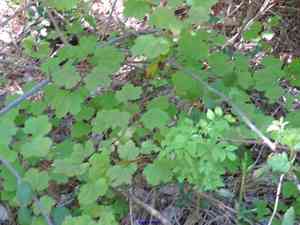
Italian maple (Acer opalus)
Also known as: Italian Maple, Spanish Maple
The Cornelian cherry (Cornus mas) is a deciduous tree native to southern and western Europe and parts of northern Africa. Early in spring, it produces clusters of small yellow flowers before its leaves emerge. By autumn, its foliage turns a bright yellow, adding seasonal color to the landscape.
In This Article
Attributes of Italian maple
Lifespan
Perennial
Plant Type
Tree
Plant Height
20 m
Spread
5 m to 10 m
Leaf Color
Green Yellow
Flower Size
Small, approximately 1-2 cm
Flower Color
Yellow Green
Images of Italian maple
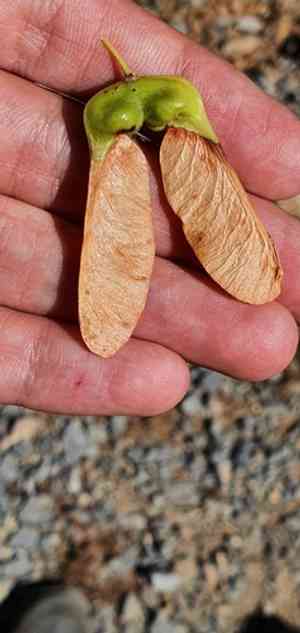
Quickly Identify Italian maple
1
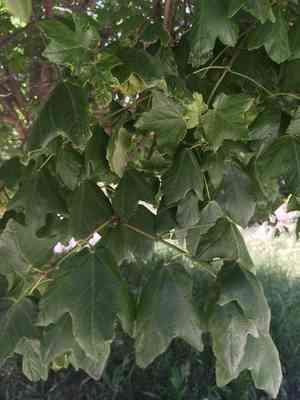
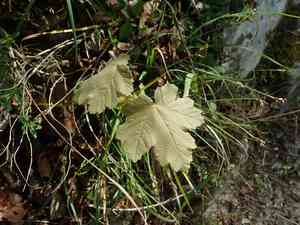
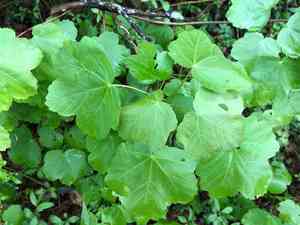
Identify Acer opalus by its palmate leaves with 5-7 lobes. The leaves are glossy green above and whitish below, turning yellow to reddish in autumn. The bark is smooth and grey in young trees, becoming fissured in older specimens.
Scientific Classification of Italian maple
Phylum
Vascular plants
Class
Dicotyledons
Order
Sapindales
Family
Soapberry
Genus
Maples
Species
Italian maple
Planting and Growing of Italian maple
Care Difficulty
Easy
Watering Schedule
Every 2 days
Sunlight Requirements
Full sun
Sunshine Duration
6-10 hours
Ideal Temperature
60-75℉
Soil Type
Potting Mix, Peat Mix
Soil pH
6.5-7.5
Fertilizer Type
Balanced
Pruning Season
Spring, Summer
Pruning Area
Branches, Leaves
Pruning Frequency
2 times a year
Repotting Season
Spring
Pot Type
Plastic, Ceramic
 How to Water Italian maple?
For Acer opalus, a medium-sized and adaptable tree, watering should ensure that the soil is thoroughly moist but not soggy. Implement the principle of deep watering, where water deeply penetrates to encourage roots to grow further downwards. This usually translates to approximately 500 ml of water per session in well-draining soils.
What are the symptoms of an underwatered Italian maple?
›
What should I do if my Italian maple is not getting enough water?
›
What are the symptoms of an overwatered Italian maple?
›
How to save an overwatered Italian maple?
›
 What Are the Sunlight Requirements for Italian maple?
Acer opalus thrives in full sun to partial sun settings. These conditions enhance photosynthesis and health, promoting vibrant leaf coloration and overall aesthetic beauty while securing sturdy growth and resilience against environmental stressors.
More About Sunlight Requirements Techniques→
What is the ideal lighting for Acer opalus?
›
Why does Acer opalus require such lighting?
›
How can you provide ideal lighting for Acer opalus?
›
 What Is the Ideal Temperature Range for Italian maple?
Acer opalus thrives best within an ideal temperature range of 60 to 75 degrees Fahrenheit. This range supports optimal growth and ensures healthy foliage. Temperatures within this range allow for effective photosynthesis and nutrient uptake, critical for the plant's overall development. When grown within this ideal climate, Acer opalus exhibits vibrant growth and resilience against stress factors.
 What Soil is Best for Italian maple?
Acer opalus thrives in well-draining soil, which helps prevent root rot by allowing excess water to escape. This is crucial for the plant's health, as stagnant water can lead to fungal diseases. This tree requires soil rich in organic matter to support its growth and leaf development. Nutrient-rich soils supply essential minerals and promote healthy, vibrant foliage and robust trunks. The soil should be kept moderately moist to ensure the Acer opalus has sufficient water without being waterlogged, thus supporting optimal photosynthesis and growth.
 How to Fertilize Italian maple?
Acer opalus, commonly known as the Italian Maple, benefits from a balanced fertilizer applied in moderate amounts. During the growing season, a general-purpose fertilizer diluted to half strength works best to avoid root burn and ensure balanced nutrient uptake.
 How to Prune Italian maple?
Start by cutting out dead, damaged, or diseased wood with clean cuts above the branch collar. This not only enhances the aesthetic appeal but also prevents the potential spread of diseases within the tree. Identify and remove branches that are overlapping or competing for space to improve light penetration and air circulation. Pruning these areas boosts the overall health of the tree and reduces the risk of fungal infections. Acer opalus benefits from shaping cuts that maintain its natural silhouette. Focus on trimming back overlong branches to a lateral branch or bud, keeping an eye on the tree’s balance and symmetry for a visually pleasing appearance.
More About Pruning Techniques→
 How to Propagate Italian maple plant?
1
Collect Acer opalus seeds in early autumn and clean them thoroughly. Stratify the seeds by storing them in a refrigerator for 3-4 months to mimic natural winter conditions and break dormancy prior to planting.
2
Select healthy rootstock and scions for grafting. Make sure both are free from disease. Prepare both for grafting by making precise, clean cuts to optimize cambium contact for a successful union.
3
Perform grafting in early spring when both scion and rootstock are actively growing. Use the whip-and-tongue method to join them securely. Wrap the graft firmly with grafting tape to ensure stability as it heals.
 How to Repot Italian maple plant?
1
The perfect time to repot Acer opalus is during early spring or autumn. Signs that indicate it's time for a new pot include roots growing out of the drainage holes and the plant becoming top-heavy or waterlogged quickly. When these signs appear, it’s time to give your Acer opalus a new home with fresh soil, ensuring it can continue to thrive.
2
Selecting the right pot for Acer opalus is crucial. Choose a pot that is slightly larger than the current one—about 2 inches wider in diameter. Ensure it has ample drainage holes to prevent water stagnation, which can lead to root rot. A terracotta pot is a good option as it allows the soil to dry out more easily, reducing the risk of waterlogged roots.
3
For Acer opalus, a loamy, well-drained soil is essential. This type of soil retains enough moisture without becoming soggy, ensuring that the roots have access to air and nutrients without drowning. Adding organic matter, like compost, can improve soil fertility and structure, boosting the tree's growth and resilience.



