Enhancing Your Garden Design with the Italian maple Plant: A Landscaping Guide
1
The Italian maple provides a distinct look that complements diverse garden designs.
2
Selecting the appropriate site for your Italian maple guarantees its best development and beauty.
3
Italian maple needs little upkeep, making it perfect for those with limited time.
Introducing Italian Maple in Landscape Design
Overview of Italian maple as a landscaping element
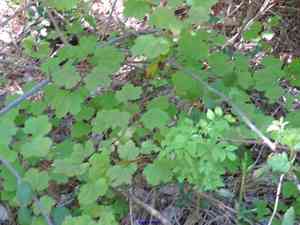
Italian maple is a versatile tree that adds beauty and sophistication to any garden. Its broad leaves provide a lush, green appearance during the growing season, while its vibrant autumn colors can transform your landscape with shades of yellow and orange. The tree's relatively small size makes it suitable for both large and small gardens, and its low maintenance needs make it an attractive option for gardeners of all skill levels.
Why choose Italian maple for your garden?
There are several compelling reasons to choose Italian maple for your garden. First, its adaptability to different soil types and conditions means it can thrive in various environments. Second, its striking appearance and seasonal changes add year-round interest to your landscape. Lastly, Italian maple is known for its hardiness and resistance to pests, ensuring it remains a beautiful feature in your garden for years to come.
Designing Your Garden with Italian maple
Incorporating Italian maple into various garden styles
Italian maple can be integrated into numerous garden styles, from traditional to contemporary. In a traditional garden, Italian maple can serve as a focal point, drawing the eye with its beautiful foliage and structure. In contemporary designs, its minimalistic form complements clean lines and modern aesthetics. Additionally, Italian maple works well in woodland gardens, where its natural shape and vibrant autumn colors can enhance the overall ambiance.
Choosing the right location for Italian maple in your landscape
Selecting the ideal location for Italian maple is crucial for its health and visual impact. This tree thrives in well-drained soil and partial to full sunlight. When planting Italian maple, consider placing it where it can be a focal point, such as near a patio, along a garden path, or in the center of a lawn. Ensure it has enough space to grow without overcrowding other plants.
Companion plants that pair well with Italian maple
When choosing companion plants for Italian maple, opt for species that can complement its aesthetic and thrive under similar conditions. Ferns, hostas, and shade-tolerant perennials make excellent companions, providing texture and color contrast. For spring interest, bulbs like daffodils and crocuses can be planted around Italian maple's base to add vibrant early-season color.
Maintaining the Aesthetic Appeal of Italian maple
Seasonal visual appeal of Italian maple
Italian maple is a tree that offers changing visual interest throughout the year. In spring and summer, its green foliage creates a lush, inviting scene. Come autumn, the leaves transform into stunning hues of yellow and orange, providing a dramatic focal point in your garden. Even in winter, the tree's bare branches add a structural element to your landscape that can be quite striking against a snow-covered ground.
Minimalist approaches with Italian maple for modern design
For a modern garden design, a minimalist approach using Italian maple can be highly effective. Planting Italian maple as a solitary feature allows its natural beauty to stand out without competing with other plants. Pair it with simple, clean lines in your garden's hardscaping, such as stone pathways or sleek metal accents, to create a contemporary look that is both elegant and understated.
Landscape Challenges and Solutions with Italian maple
Addressing common challenges when using Italian maple in landscapes
One common challenge with Italian maple is ensuring it receives adequate sunlight and soil drainage. To address this, plant Italian maple in well-draining soil and avoid low-lying areas where water may accumulate. Another challenge is protecting young trees from pests and diseases. Regular inspections and appropriate treatments, such as organic pest control solutions, can help maintain tree health.
Effective solutions for thriving Italian maple in your garden
To ensure Italian maple thrives in your garden, regularly check soil moisture and provide supplemental watering during dry periods. Mulching around the base can help retain moisture and regulate soil temperature. Pruning is another essential task; remove any dead or diseased branches to promote healthy growth. With these simple practices, Italian maple can become a long-lasting and thriving part of your landscape.
Inspirational Ideas for Using Italian maple in Landscaping
Creative ways to feature Italian maple in outdoor spaces
Italian maple can be featured creatively in various outdoor spaces. Plant it as a centerpiece in a circular garden bed or use it to frame entryways with its beautiful arching branches. Consider creating a themed garden area around Italian maple, such as a Japanese-inspired garden with stone lanterns and bonsai plants, to enhance its exotic allure.
Real-world examples of stunning Italian maple landscapes
There are many real-world examples of Italian maple enhancing landscape designs. For instance, a well-known botanical garden may feature Italian maple in its themed sections, demonstrating how this tree can fit seamlessly into different garden styles. Homeowners have also used Italian maple to create breathtakingly beautiful front yards, pairing it with colorful perennials for a vibrant and welcoming entrance.



