How to Prune Myrtle wattle?
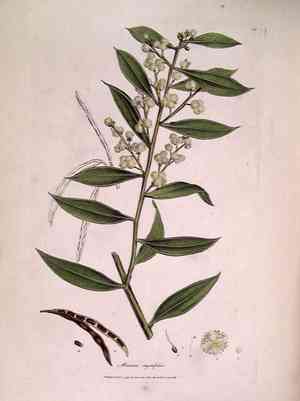
This perennial woody plant, known for its thick leaves and abundant yellow flowers, flourishes with appropriate trimming. The ideal period for pruning myrtle wattle is in late spring or early summer, right after it blooms, to preserve its form and stimulate robust development. Consistently eliminate any dead branches and thin out congested limbs to facilitate proper air circulation. Trimming can also revitalize myrtle wattle, fostering a more compact growth pattern. Refrain from making extensive cuts to prevent harm to the plant's framework.
Advantages of Trimming Myrtle Wattle
Advantages of Trimming Myrtle Wattle
Trimming myrtle wattle promotes abundant flowering and helps maintain plant health by lowering the chance of pest infestations and disease outbreaks. Regular pruning ensures the plant's vigor and attractive form.
Optimal Time for Pruning Myrtle Wattle
Optimal Time for Pruning Myrtle Wattle
Pruning or trimming myrtle wattle from late spring to early summer aligns with the post-flowering period when the plant has completed its primary blooming cycle. This timing minimizes impact on the plantâs health and optimizes its growth. Pruning during this period stimulates new growth, which will mature over the summer and be ready for the next season's flowers. Furthermore, the plant's sap flow is less vigorous compared to autumn or winter, reducing the risk of excessive sap loss that can attract pests or cause disease. Trimming during these seasons also allows the gardener to remove any frost-damaged branches before the plant enters its vigorous summer growth phase, thus preserving the plant's shape and vitality.
Required Tools for Pruning Myrtle Wattle
Hand Pruners (Bypass Pruners)
Perfect for making clean cuts on smaller myrtle wattle branches, typically up to half an inch in diameter. Bypass pruners feature curved, scissor-like blades that deliver precise cuts without crushing plant tissue, ensuring healthier regrowth.
Lopping Shears
These are effective for cutting through thicker branches, up to 1.5 inches in diameter. Myrtle wattle may occasionally require the removal of more substantial branches, and lopping shears extend reach and provide the necessary leverage for these tougher cuts.
Pruning Saw
For the largest branches exceeding 1.5 inches in diameter, a pruning saw is essential. Myrtle wattle can develop sizable branches over time, and a sharp saw ensures clean cuts that minimize plant damage and help prevent disease.
Gardening Gloves
Hand protection while pruning myrtle wattle is crucial, as it can prevent scratches and ensure a better grip on tools.
Safety Glasses
Eye protection is important to shield eyes from flying debris when trimming back myrtle wattle.
How to Prune Myrtle Wattle
Sanitize tools
Before pruning myrtle wattle, sterilize all pruning tools using a solution of 1 part bleach to 9 parts water to prevent the spread of disease.
Remove diseased parts
Carefully remove any diseased leaves and branches from myrtle wattle, ensuring clean cuts to prevent further plant damage.
Trim withered components
Trim away withered leaves and flower parts from myrtle wattle to encourage new growth and maintain a neat appearance.
Eliminate dead material
Cut out all dead branches from myrtle wattle at their point of origin to promote healthy growth and improve air circulation within the plant.
Manage growth
Prune back excessive growth branches on myrtle wattle to maintain the desired shape and size, and allow for better light penetration and air flow.
Common Pruning Errors with Myrtle Wattle
Over-pruning
One of the most frequent errors is removing too much foliage in a single pruning session, which can stress myrtle wattle and lead to poor growth or even plant death.
Incorrect cut placement
Cutting too far from a node or into old wood may result in unproductive cuts and may not encourage new growth. It is important to make cuts just above nodes where new shoots can flourish.
Use of dull tools
Using dull or unclean pruning tools can cause damage to myrtle wattle's branches, leading to ragged cuts that are more susceptible to disease.
Pruning healthy material
Mistakenly removing healthy branches and foliage instead of just the dead, diseased, or overcrowded parts can diminish the overall health and aesthetic of myrtle wattle.
Ignoring plant shape
Not considering the natural growth habit and shape of myrtle wattle during pruning can result in a less attractive plant that doesn't flower as profusely.
General Pruning Advice for Myrtle Wattle
Selective pruning
Focus on removing only the parts of myrtle wattle that are dead, diseased, or overcrowded. Thinning out the plant in this manner encourages better air circulation and light penetration.
Sharp and clean tools
Always use sharp and sterilized pruning tools to make clean cuts that heal quickly, minimizing the risk of disease.
Pruning for shape
Encourage myrtle wattle's natural compact shape and dense foliage by lightly pruning the outermost growth to promote lush branching.
Encouraging flowering
To encourage plentiful flowering, prune myrtle wattle just behind the spent flower heads to stimulate new growth and subsequent blooms.
Gradual rejuvenation
If myrtle wattle needs significant size reduction or rejuvenation, spread this out over several seasons rather than doing it all at once to reduce stress on the plant.



