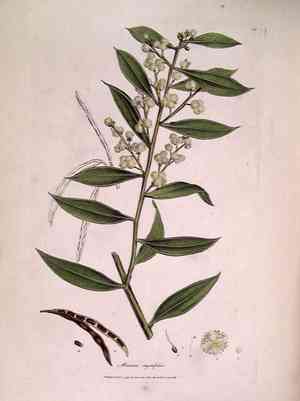
Myrtle wattle (Acacia myrtifolia)
Also known as: Red-stemmed wattle
The striking shrub Myrtle wattle (Acacia myrtifolia) was first documented by the renowned botanist James Edward Smith in 1806. Noted for its appealing white flower clusters, this plant is particularly valued in coastal gardens for its resilience to salt. Its dense foliage makes it an excellent, low-maintenance choice for areas like roadsides, where it serves as an effective windbreak.
In This Article
Attributes of Myrtle wattle
Lifespan
Perennial
Plant Type
Shrub
Plant Height
3 m
Spread
3 m
Leaf Color
Green Gray
Flower Size
6 mm to 1.3 cm
Flower Color
Yellow Cream White Green
Images of Myrtle wattle
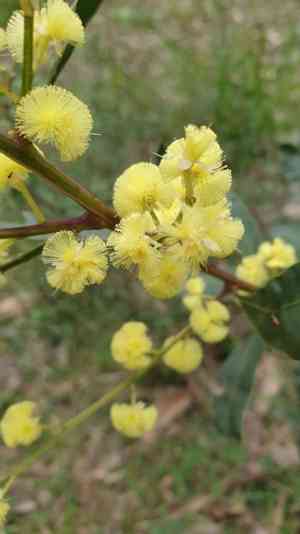
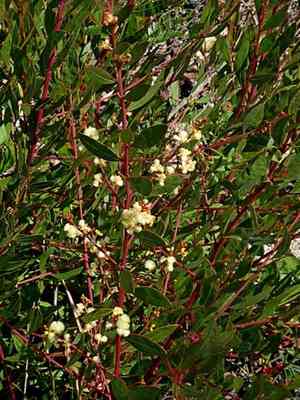
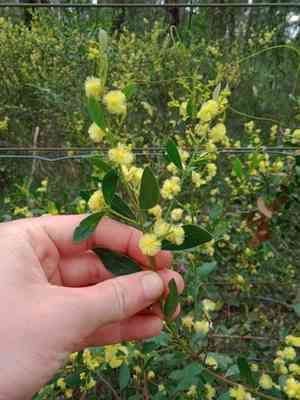
Quickly Identify Myrtle wattle
1
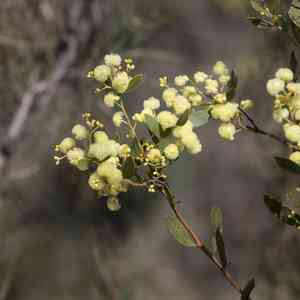
Identification skills for Acacia myrtifolia include noting its shiny, elliptical leaves, stems that often have a reddish tinge, and yellow, globular flower heads typically seen in late winter to early spring.
Scientific Classification of Myrtle wattle
Phylum
Vascular plants
Class
Dicotyledons
Order
Fabales
Family
Legume
Genus
Acacias
Species
Myrtle wattle
Planting and Growing of Myrtle wattle
Care Difficulty
Easy
Watering Schedule
Every 2 days
Sunlight Requirements
Full sun
Sunshine Duration
4-6 hours
Ideal Temperature
50-77℉
Soil Type
Potting Mix, Peat Mix
Soil pH
6.5-7.5
Fertilizer Type
Balanced
Pruning Season
Spring, Summer
Pruning Area
Branches, Leaves
Pruning Frequency
2 times a year
Repotting Season
Spring
Pot Type
Plastic, Ceramic
 How to Water Myrtle wattle?
When watering Acacia myrtifolia, aim to supply around 250 milliliters per session. This amount ensures the soil is moistened sufficiently without becoming waterlogged. It's crucial to allow the water to reach the plant's root zone to encourage healthy growth.
What are the symptoms of an underwatered Myrtle wattle?
›
What should I do if my Myrtle wattle is not getting enough water?
›
What are the symptoms of an overwatered Myrtle wattle?
›
How to save an overwatered Myrtle wattle?
›
 What Are the Sunlight Requirements for Myrtle wattle?
The ideal light range for Acacia myrtifolia is full to partial sun, which encourages flourishing growth. Receiving 6-8 hours of light benefits its metabolism and overall development.
More About Sunlight Requirements Techniques→
Optimal Sun Exposure
›
Avoidance of Extreme Heat
›
Routines for Maximum Health
›
 What Is the Ideal Temperature Range for Myrtle wattle?
The ideal growing conditions for Acacia myrtifolia are within a range of 50 to 77°F. These temperatures provide the best environmental conditions for photosynthesis and cellular growth, promoting healthy foliage and bloom development.
 What Soil is Best for Myrtle wattle?
Acacia myrtifolia thrives in well-drained soil, preventing root rot and promoting healthy root growth. Ensure the soil has adequate drainage to enhance the plant's longevity and vigor. This species requires moderately fertile soil, which provides a balanced environment rich in nutrients without the risk of over-fertilization that can harm the plant's health. Good aeration in the soil is crucial for Acacia myrtifolia. It allows roots to access oxygen easily, promoting strong plant growth and resilience against pests and diseases.
 How to Fertilize Myrtle wattle?
Acacia myrtifolia prefers a balanced approach to fertilization. Use a liquid fertilizer at half the recommended strength to avoid overwhelming the plant with too many nutrients. For slow-release granules, apply about 2 tablespoons per plant.
 How to Prune Myrtle wattle?
Prune Acacia myrtifolia by cutting back dead or diseased branches to encourage healthy growth. Use sharp, clean tools and make cuts at a 45-degree angle close to the main stem. This will help the plant maintain a desirable shape and improve light penetration. For a more structured appearance, trim back new shoots by one-third of their length. This should be done during the growing season to promote a dense, bushy habit. Focus on maintaining a balance between size and health, avoiding excessive removal of healthy foliage. After the flowering period, trim spent flowers and lightly prune the tips of branches. This technique will stimulate more blooms in the subsequent flowering season while keeping the plant vibrant and aesthetically pleasing.
More About Pruning Techniques→
 How to Propagate Myrtle wattle plant?
1
Acacia seeds have a hard coat, necessitating scarification for better water absorption. This can be done by lightly sanding the seed surface or soaking them in hot water for 24 hours.
2
After scarification, sow the seeds in a propagation tray filled with a seedling mix. Ensure they are spaced correctly and not buried too deep to facilitate easy germination.
3
Maintain consistent moisture levels in the soil. Use a spray bottle to lightly mist the surface. A humidity dome over the tray can help maintain the ideal humidity levels.
 How to Repot Myrtle wattle plant?
1
Look for signs like roots growing through the drainage holes, slowed growth, or overcrowded foliage. These are indicators that Acacia myrtifolia is outgrowing its current container. Spring and early summer are the perfect times to repot as the plant is actively growing and can quickly adjust to its new environment.
2
Select a pot slightly larger than the current one, with drainage holes to prevent waterlogging. A pot just a couple of inches wider in diameter is ideal. This size ensures that the roots have room to grow without subjecting them to the risk of moisture retention, which can lead to root rot.
3
Opt for a well-drained sandy loam mix. The goal is to mimic the natural habitat where Acacia myrtifolia thrives. This type of soil ensures good drainage and provides the essential nutrients while avoiding the risks of compact or waterlogged conditions.



