How to Propagate Myrtle wattle?
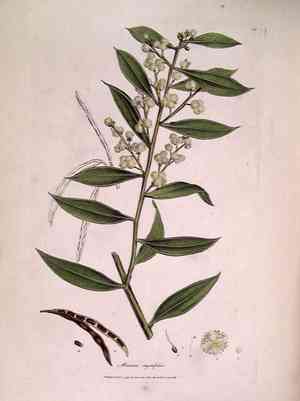
Acacia myrtifolia, a species within the Acacia family, flourishes when specific propagation methods are employed to guarantee robust development. Taking cuttings is an effective strategy where a section of a sound stem is utilized to cultivate a new specimen. Cultivators ought to choose robust stems for this purpose, verifying they are semi-woody and free from pathogens. Applying a rooting stimulant can enhance successful outcomes by stimulating root formation in the prepared sections. Supplying a growing medium that drains efficiently and sustaining steady hydration without oversaturation fosters ideal conditions for rooting.
Optimal Time for Myrtle Wattle Propagation
Propagation Method
Cutting
Propagation Period
Spring,Summer
Tools for Myrtle Wattle Propagation
Sharp Pruning Shears
Crucial for taking myrtle wattle cuttings, sharp pruning shears ensure a clean cut, minimizing harm to the parent plant and the cutting. This precision is vital for the cutting's health, promoting quicker healing and lowering infection risk.
Rooting Hormone
Rooting hormone significantly boosts the success rate of root development in myrtle wattle cuttings. It stimulates root growth from the cut end, essential for establishing a new, healthy plant. Available in powder, gel, or liquid, each form offers benefits like ease of use and extended shelf life.
Sterile Potting Mix
A sterile, pathogen-free potting mix offers a safe growing medium for myrtle wattle cuttings. It encourages healthy root growth without the threat of soil-borne diseases potentially hindering new plant development.
Propagation Trays
Propagation trays aid in organizing and managing myrtle wattle cuttings during the rooting phase. They provide a controlled environment for space, light exposure, and humidity, all critical for successful myrtle wattle propagation.
Plastic Domes or Covers
Plastic domes or covers placed over propagation trays create a mini-greenhouse effect. This setup helps maintain high humidity and stable temperatures, both key conditions that enhance rooting success in myrtle wattle cuttings.
Myrtle Wattle Propagation Guide
Propagation Difficulty
Moderately Difficult
Caring for Your Newly Propagated Myrtle Wattle
Caring for Your Newly Propagated Myrtle Wattle
Once roots are established, gradually introduce myrtle wattle to more sunlight and reduce humidity by removing the plastic cover. Transplant myrtle wattle into a larger pot or a permanent garden spot when sufficiently robust. Water regularly, but allow the soil to dry slightly between waterings. Avoid over-watering as myrtle wattle prefers well-drained soil. Apply a slow-release, low-phosphorus fertilizer annually to support healthy growth without causing root damage.
Common Errors to Avoid When Propagating Myrtle Wattle
Overwatering
Excessive watering of myrtle wattle can lead to root rot, a severe condition that impairs the plantâs ability to absorb nutrients and water. This often results in stunted growth and can fatally damage myrtle wattle.
Using non-sterile tools
When propagating myrtle wattle, using unsterilized tools can introduce harmful pathogens to cuttings or seedlings. This increases the risk of diseases, severely impacting the survival rate of propagations.
Excessive handling
Frequent handling or disturbing myrtle wattle during the initial propagation stages can harm delicate roots or shoots, leading to poor establishment or plant death.
Myrtle Wattle Propagation Tips
Use well-draining soil
Selecting a well-draining soil mix helps prevent waterlogging, ensuring myrtle wattle's roots have a healthy environment to grow without the risk of root rot.
Maintain high humidity
Maintaining high humidity around myrtle wattle during the early stages of cutting propagation helps ensure the plant does not lose more water than it can absorb, crucial for successful new root development.
Provide sufficient light but avoid direct sunlight
Ensuring myrtle wattle has access to bright, indirect light supports robust growth. Direct sunlight, however, can be too intense and may scorch young plants, negatively affecting their growth.



