The Myrtle wattle Plant Advantage: Maximizing Home and Office Appeal and Wellness
1
Myrtle wattle originates from Australia and flourishes in shoreline environments.
2
It is recognized for its superior capabilities in securing soil.
3
Myrtle wattle draws in helpful insects, boosting the variety of life in gardens.
Why Select Myrtle Wattle for Your Garden?
Exceptional Visual Appeal
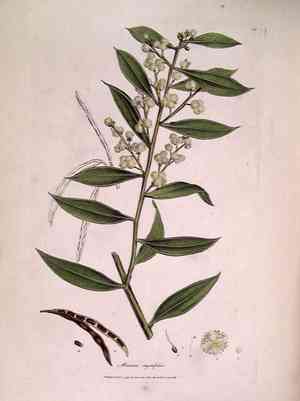
A key characteristic of Myrtle wattle is its striking appearance. With its small, pointed foliage and charming, fluffy yellow blossoms, it can serve as a focal point in any garden. Its moderate height and compact form make it an excellent option for garden borders and landscaping.
Minimal Maintenance Requirements
Another significant advantage of Myrtle wattle is its low upkeep needs. Once established, this plant is resistant to drought and demands little care. It thrives in well-drained ground and can endure various environmental conditions, making it suitable for both new and experienced gardeners.
Ecological Advantages of Myrtle Wattle
Improving Soil Stability
Myrtle wattle is well-known for its ability to stabilize soil. The plant's extensive root system effectively binds the earth, preventing erosion. This makes it a perfect plant for coastal areas and regions prone to soil displacement.
Supporting Local Wildlife
Myrtle wattle also plays a vital role in sustaining local wildlife. Its flowers attract a range of beneficial insects, including bees and butterflies, which are essential for pollination. Furthermore, it offers habitat and food for various bird species, enhancing the garden's biodiversity.
How Myrtle Wattle Can Enhance Your Home Environment
Natural Air Purification
Beyond its outdoor benefits, Myrtle wattle can also improve your indoor air quality. When planted in outdoor landscaping near living areas, its leaves can absorb pollutants and release oxygen, contributing to a cleaner atmosphere.
Aesthetic Ambiance Enhancement
The visual charm of Myrtle wattle extends beyond mere looks. Incorporating this plant into your garden can elevate the overall ambiance, creating a peaceful and inviting space. Its presence can act as a natural stress reducer, providing a serene spot for relaxation and contemplation.
How to Care for and Cultivate Myrtle Wattle?
Optimal Growing Conditions
Myrtle wattle prefers well-drained soil but adapts to various soil types. It flourishes in both full sun and partial shade, making it versatile for different garden settings. The plant is hardy in USDA zones 8-11, ensuring it can thrive in diverse climates.
Planting and Watering Advice
When planting Myrtle wattle, it's crucial to ensure adequate spacing for its roots to spread effectively. Consistent watering during the initial growth phase is vital, but once established, the plant can tolerate dry conditions. Pruning is minimal but recommended to maintain its shape and encourage new growth.
Frequently Asked Questions About Myrtle Wattle
Is Myrtle Wattle Suitable for Small Gardens?
Absolutely! Due to its compact growth habit, Myrtle wattle is perfect for smaller garden areas. It can be used as a border plant or an accent shrub, adding texture and color without overwhelming the space.
Can Myrtle Wattle Be Used in Erosion Control Projects?
Yes, Myrtle wattle's robust root system makes it an excellent choice for erosion control. Its ability to stabilize soil can prevent landslides and runoff, especially in areas with loose or sandy soil.



