How to Propagate Coastal Pricklypear?
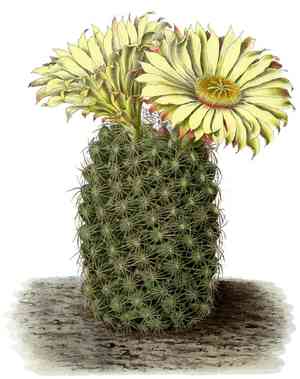
This succulent is commonly reproduced via stem segments. A robust portion of the stem is detached and allowed to harden prior to being placed in a substrate that drains effectively—preferably a specialized cactus blend. Coastal Pricklypear cuttings ought to be situated in diffused light, and irrigation should only commence once the growing medium has thoroughly desiccated. Root development is typically fruitful and proceeds with minimal oversight. It is imperative to refrain from excessive watering to avert decay.
Optimal Time for Coastal Pricklypear Propagation
Propagation Method
Cutting
Propagation Period
Spring,Summer
Tools Required for Coastal Pricklypear Propagation
Sharp Knife or Pruning Shears
These implements are vital for achieving clean, accurate cuts when propagating coastal Pricklypear via cuttings. A sharp knife or pruning shears minimize harm to the parent plant and the cuttings. Clean cuts promote quicker healing and lessen infection risk, boosting successful rooting.
Rubbing Alcohol or Disinfectant
Used to sanitize cutting instruments both before and after taking cuttings from coastal Pricklypear. Sterilization prevents disease transmission between plants and is crucial for maintaining the health of coastal Pricklypear during the cutting process.
Rooting Hormone
Applied to the severed end of coastal Pricklypear to stimulate root development and growth. Rooting hormones significantly enhance the likelihood of successful propagation by improving the plantâs capacity to form new roots from cuttings.
Potting Mix
A well-draining potting medium suitable for cacti and succulents is perfect for planting coastal Pricklypear cuttings. Such a mix offers necessary support and moisture retention while preventing waterlogging, which is vital for the rooting process of coastal Pricklypear.
Pots or Trays
Containers are utilized for planting coastal Pricklypear cuttings. They should feature adequate drainage holes to prevent excessive water accumulation and foster healthy root system development in coastal Pricklypear.
Plastic Bags or Covers
These create a humid environment around coastal Pricklypear cuttings, particularly beneficial in arid conditions where moisture retention is crucial for the rooting process. Increased humidity helps prevent cuttings from drying out before roots establish.
How to Propagate Coastal Pricklypear
Propagation Difficulty
Easy
Caring for Your Newly Propagated Coastal Pricklypear
Caring for Your Newly Propagated Coastal Pricklypear
Post-propagation, ensure coastal Pricklypear is in a sunny spot, as it thrives in full sun. Water sparingly, letting soil dry completely between waterings, mimicking its natural arid habitat. Avoid cold temperatures and frost, as coastal Pricklypear is not frost-tolerant. Fertilization is usually unnecessary, but a balanced cactus fertilizer can be applied during the growing season to support healthy growth.
Common Errors to Avoid When Propagating Coastal Pricklypear
Overwatering
Excessive watering of coastal Pricklypear leads to root rot due to its adaptation to dry environments. Too much soil moisture can waterlog roots, reducing oxygen absorption, which can result in decay and fungal infections.
Using the wrong soil mix
Employing a soil blend that lacks proper drainage can be harmful for coastal Pricklypear, as it requires well-draining soil to mimic its natural environment. A dense, non-porous soil can retain too much moisture, leading to root diseases.
Incorrect cutting technique
Improperly taking cuttings can harm both the parent plant and the cutting, hindering successful rooting. Using a dull blade or making imprecise cuts can leave the plant vulnerable to pathogens and impede the cutting's ability to form roots.
Neglecting to allow cuttings to callus
Not allowing coastal Pricklypear cuttings to form a callus before planting can be a critical error. Without a callus, cuttings are more susceptible to rot when exposed to soil moisture.
Tips For Propagating Coastal Pricklypear
Proper cuttings preparation
Ensure cuttings are made with a sharp, sterilized knife or blade to minimize damage and reduce infection risk. Allow cuttings to dry and form a callus over the cut end for a few days before planting.
Soil composition
Prepare a well-draining soil mix, ideally a cactus mix or a blend of potting soil with sand, perlite, or pumice to enhance drainage and aeration, crucial for root health.
Watering regimen
Water coastal Pricklypear sparingly, allowing the soil to completely dry out between waterings. Overwatering can be more detrimental than underwatering for this drought-tolerant species.
Indirect sunlight during rooting
Place cuttings in a bright area with indirect sunlight while they are establishing roots. Intense direct sun can stress cuttings before they have developed a strong root system.



