Enhancing Your Garden Design with the Coastal Pricklypear Plant: A Landscaping Guide
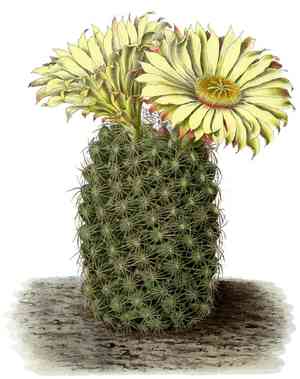
1
The Coastal Pricklypear tolerates arid conditions well, perfect for dry environments.
2
Its minimal care requirements make the Coastal Pricklypear a convenient option for active gardeners.
3
Coastal Pricklypear introduces distinct textures and vivid hues to your outdoor space.
Benefits of Incorporating Coastal Pricklypear in Landscaping
Drought Tolerance: Thriving in Arid Environments
A key advantage of selecting Coastal Pricklypear for your garden is its remarkable ability to withstand dry conditions. Its capacity to flourish in arid climates makes it an ideal selection for areas experiencing water scarcity or prolonged, hot summers. Unlike many garden plants needing consistent irrigation, Coastal Pricklypear survives on minimal moisture, conserving water and lowering your garden's overall water consumption. This resilience also saves time and effort, as you won't constantly worry about adequate hydration during dry periods.
Minimal Upkeep: Simplifying Garden Maintenance
If you desire a plant that doesn't demand constant attention, Coastal Pricklypear is an excellent choice. Following initial planting, it requires very little ongoing care. This is highly beneficial for gardeners with limited time for daily tending. Coastal Pricklypear is largely self-sufficient, needing only occasional trimming to maintain its form and health. Its robust nature also means it's less susceptible to common garden ailments, further reducing the need for chemical treatments or extensive care routines.
Aesthetic Appeal: Distinctive Textures and Hues
Visually, Coastal Pricklypear offers a unique charm that can enhance any garden design. Its characteristic textures and vibrant colors provide a striking contrast to more conventional garden flora. The pads of Coastal Pricklypear offer a bold structure that can add architectural interest, while its seasonal blooms contribute splashes of color. Whether used as a focal point or as part of a larger arrangement, Coastal Pricklypear can introduce both visual and textural diversity to your garden, creating a landscape that stands out.
Integrating Coastal Pricklypear into Your Garden Design
Placement Strategies: Optimizing Beauty and Development
When deciding where to place Coastal Pricklypear in your garden, consider both its visual potential and its growth requirements. Positioning it in full sunlight will ensure it thrives, as it is well-adapted to bright and warm environments. Incorporate it into rock gardens for a natural aesthetic, or use it in elevated beds to add height and dimension. Strategic placement can make Coastal Pricklypear a focal point in your landscape while ensuring it receives the necessary light and space for robust growth.
Companion Planting: Boosting Coastal Pricklypear's Health and Charm
Companion planting involves selecting plants that mutually benefit when grown together, and Coastal Pricklypear pairs well with various plant species. Combine it with other drought-tolerant plants like lavender, sage, or ornamental grasses to create a harmonious and resilient garden bed. These companions can enhance the visual appeal and ecological balance of your garden, offering a mix of textures, colors, and fragrances that complement Coastal Pricklypear.
Design Themes: From Traditional to Contemporary
The adaptability of Coastal Pricklypear makes it suitable for a wide range of garden design styles. For a rustic look, pair it with weathered stones and wooden elements to create a desert-inspired landscape. In a more modern setting, combine it with sleek ceramic containers and minimalist ground covers for a contemporary design. Utilizing Coastal Pricklypear in diverse contexts allows for creative expression while ensuring your garden remains cohesive and attractive.
Challenges in Cultivating Coastal Pricklypear
Pest Control: Maintaining Plant Health
While Coastal Pricklypear is relatively low-maintenance, it is not entirely immune to pests. Common pests that may affect it include scale insects and mealybugs. Regular inspection of your plants can help detect infestations early. Non-toxic solutions, such as insecticidal soap or natural predators, can effectively manage these pests without harming the plant or the environment. Keeping your Coastal Pricklypear healthy through good soil practices and adequate light also reduces the likelihood of pest problems.
Weather Concerns: Preparing for Extremes
Although Coastal Pricklypear is resilient in dry and sunny conditions, extreme weather like frost or heavy rain can present difficulties. In areas prone to frost, consider insulating the plant's base with mulch to protect its roots. If heavy rain is anticipated, ensure your garden has proper drainage to prevent waterlogging, which Coastal Pricklypear does not tolerate well. Preparing for these weather extremes can help maintain the health and longevity of Coastal Pricklypear in your garden.
Space Requirements: Planning for Expansion
Coastal Pricklypear can spread rapidly, so it's crucial to account for its growth when integrating it into your garden. Allow ample space around the plant to accommodate its mature size, preventing overcrowding with other plants. Regular pruning can help manage its spread and shape, ensuring it remains a harmonious part of your landscape. Planning for Coastal Pricklypear's growth patterns will help you avoid many common gardening issues related to space and crowding.
Seasonal Care Advice for Coastal Pricklypear
Spring Preparation: Key Recommendations
Spring is a vital period to ready your Coastal Pricklypear for the active growing season. Begin by clearing around the plant's base, removing any debris that may have accumulated over winter. This promotes better air circulation and encourages healthy growth. Spring is also an excellent time to prune Coastal Pricklypear, removing any dead or damaged pads to stimulate new growth. Applying a balanced, slow-release fertilizer can also provide the necessary nutrients for a strong start to the season.
Summer Care: Managing Warmth and Light
During the summer months, Coastal Pricklypear thrives in heat but still requires some attention to maintain its health. Ensure it receives ample sunlight, as this is crucial for its growth and blooming. Watering should be infrequent but thorough, allowing the soil to dry completely between waterings. Monitor for pests that tend to be more active in warm weather and use appropriate, non-toxic methods to manage them if necessary.
Fall and Winter Readiness: Ensuring Vitality
As temperatures begin to drop in the fall, it's important to prepare Coastal Pricklypear for the colder months. Start by reducing watering frequency as the plant enters dormancy. This helps prevent root rot caused by excessive moisture. Applying a layer of organic mulch around the base will help insulate the roots from the cold. If you live in an area with harsh winters, consider covering Coastal Pricklypear with frost cloth for additional protection. Taking these steps can secure the plant's vitality and ensure a healthy return in the spring.



