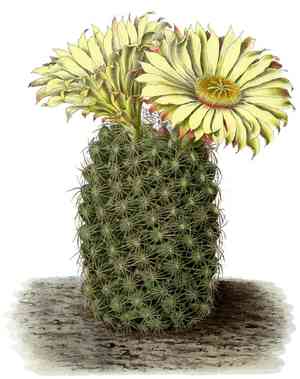
Coastal Pricklypear (Opuntia littoralis)
Also known as: Sprawling Prickly Pear
Coastal Pricklypear (Opuntia littoralis) is native to Southern California and Baja California. It thrives in environments such as chaparral and coastal sage scrub. This cactus often forms dense clusters, providing shelter for small wildlife. Additionally, it produces edible fruits.
In This Article
Attributes of Coastal Pricklypear
Lifespan
Perennial
Plant Type
Shrub, Succulent
Plant Height
61 cm to 91 cm
Spread
1.2 m to 1.8 m
Leaf Color
Green to reddish hue
Flower Size
5 cm to 8 cm
Flower Color
Yellow Pink Red
Images of Coastal Pricklypear
Quickly Identify Coastal Pricklypear
1
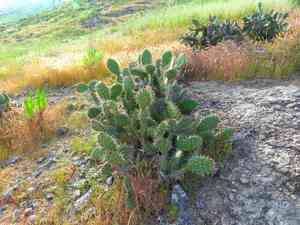
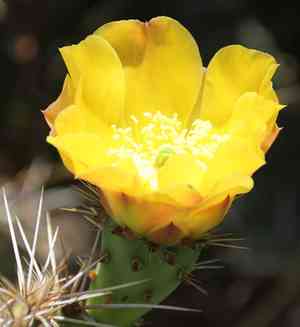
Look for spiny, segmented pads that form clumps. The pads are typically green but can have a reddish hue. The flowers are bright yellow, appearing in late spring to early summer. Also, the presence of small, reddish-purple fruits can be a distinguishing feature.
Scientific Classification of Coastal Pricklypear
Phylum
Vascular plants
Class
Dicotyledons
Order
Caryophyllales
Family
Cactuses
Genus
Prickly pear
Species
Coastal Pricklypear
Planting and Growing of Coastal Pricklypear
Care Difficulty
Easy
Watering Schedule
Every day
Sunlight Requirements
Full sun
Sunshine Duration
4-8 hours
Ideal Temperature
65-85℉
Soil Type
Potting Mix, Peat Mix
Soil pH
6.5-7.5
Fertilizer Type
Balanced
Pruning Season
Spring, Summer
Pruning Area
Branches, Leaves
Pruning Frequency
2 times a year
Repotting Season
Spring
Pot Type
Terracotta, Plastic
 How to Water Coastal Pricklypear?
The Opuntia littoralis, or coast prickly pear cactus, requires a moderate yet careful watering approach. When watering, ensure the soil is thoroughly moistened but not waterlogged. About 250 milliliters per watering should suffice, ensuring the water reaches the root zone without causing stagnation.
What are the symptoms of an underwatered Coastal Pricklypear?
›
What should I do if my Coastal Pricklypear is not getting enough water?
›
What are the symptoms of an overwatered Coastal Pricklypear?
›
How to save an overwatered Coastal Pricklypear?
›
 What Are the Sunlight Requirements for Coastal Pricklypear?
Opuntia littoralis ideally thrives in full sun conditions, which mimic its natural habitat. Proper light ensures prompt growth, minimal watering needs, and resistance to diseases, making it easier to care for and maintain.
More About Sunlight Requirements Techniques→
What is the best lighting for Opuntia littoralis?
›
How can you ensure Opuntia littoralis receives ideal lighting?
›
What are the benefits of ideal light exposure for Opuntia littoralis?
›
 What Is the Ideal Temperature Range for Coastal Pricklypear?
Opuntia littoralis thrives best in temperatures ranging from 65 to 85 degrees Fahrenheit. This range allows the plant to photosynthesize efficiently and grow robustly. Consistent exposure to these temperatures supports optimal metabolic processes and promotes healthy structural development.
 What Soil is Best for Coastal Pricklypear?
Opuntia littoralis thrives in soil that offers excellent drainage. This prevents water accumulation around the roots, which can lead to root rot. The well-drained soil mimics its natural habitat, promoting healthy growth and optimal blooming. While Opuntia littoralis can survive in poor soils, moderate nutrient content in the soil supports better growth and resilience. A balanced soil rich in essential nutrients will help the plant maintain its vibrant appearance and robust structure. This cactus prefers soil that retains warmth. Warm soil conditions encourage active root growth and enhance flowering. Choosing a planting site with good sun exposure helps maintain the suitable soil temperature for this desert-loving species.
 How to Fertilize Coastal Pricklypear?
For Opuntia littoralis, use a balanced liquid fertilizer diluted at half strength. During the growing season, a regular dose of half a teaspoon per gallon of water is recommended with each application.
 How to Prune Coastal Pricklypear?
Examine your Opuntia littoralis and look for pads that are dead, diseased, or overcrowded. These are the primary targets for pruning to maintain the plant's health and aesthetics. When pruning, make your cuts at the joints of the pads. This is where the pads naturally detach, ensuring that you cause minimal trauma to the plant. Properly dispose of or compost the cut pads, as they can potentially re-root if left on soil. This helps prevent unwanted propagation and maintains garden tidiness. After pruning, observe your cactus for any signs of stress or disease. Healthy pruning typically leads to a noticeable improvement in growth and appearance over the following weeks.
 How to Propagate Coastal Pricklypear plant?
1
Start by soaking the seeds in water for 24 hours to soften the hard seed coat. Plant them in moist, well-draining soil and cover lightly. Maintain a warm environment for germination.
2
Choose a healthy stem segment and cut it using a sterilized knife. Let the cutting dry for a few days to form a callous over the cut surface before planting.
3
Insert the calloused end of the cutting into a pot filled with a sandy cactus mix. Water sparingly and position the pot in indirect sunlight until roots establish.
 How to Repot Coastal Pricklypear plant?
1
Opuntia littoralis usually needs repotting when it outgrows its current container or when the soil becomes compacted, compacted soil can lead to root suffocation. Signs that it’s time to repot include roots emerging from the drainage holes or the cactus tipping to one side due to insufficient support from the pot.
2
Select a pot that’s only slightly larger than the current one, as too much extra space can lead to overwatering issues. Choose one with ample drainage holes to allow excess water to escape, preventing root rot. The pot material is crucial; terracotta is ideal as it wicks moisture from the soil, aiding in keeping the plant’s roots dry.
3
Selecting well-draining soil is essential for Opuntia littoralis. A cactus mix is ideal as it provides excellent aeration, preventing root rot by ensuring that water drains efficiently. This kind of soil mimics the plant's natural habitat and supports healthy, robust growth in the new pot environment.



