How to Propagate May lily?
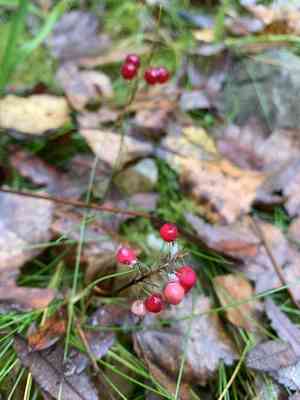
This forest-dwelling perennial is most effectively multiplied by dividing its rootstock, usually undertaken once its blooming period concludes. Gently detach the rhizomes either by hand or with a keen blade, ensuring each new segment possesses multiple sprouts. When relocating these divisions, minimize root disruption and place them in a comparable woodland setting featuring damp, adequately draining earth. This technique produces identical copies of may lily, preserving its delightful white blossoms and vibrant green leaves.
Optimal Time for May Lily Propagation
Propagation Method
Division
Propagation Period
Spring,Autumn
Tools for May Lily Propagation
Garden fork
A garden fork is crucial for dividing may lily. This tool aids in gently lifting the plant from the ground without overly disturbing its root system. Its tines are strong enough to penetrate the soil yet spaced to prevent root damage, making it perfect for safely separating root clumps.
Pruning shears
Pruning shears are utilized to trim and tidy the roots and foliage of may lily both before and after division. Sharp, clean cuts help prevent disease and encourage healthier, more robust growth. Selecting a pair with comfortable grips and rust-resistant blades ensures precision and longevity.
Gardening gloves
Gardening gloves shield hands from soilborne pathogens and any sharp objects in the soil when handling may lily. They also offer improved grip and reduce slippage, enhancing the efficiency and safety of the division process.
Watering can with a gentle shower head
Following the replanting of may lily divisions, employing a watering can with a gentle shower head promotes effective hydration without dislodging the newly planted divisions. This gentle approach helps the plants recover and establish more quickly in their new locations.
How to Propagate May Lily?
Propagation Type
Easy
Caring for Newly Propagated May Lily
Caring for Newly Propagated May Lily
Post-propagation, continue to care for may lily by maintaining consistently moist but not waterlogged soil. They prefer shaded conditions, so ensure protection from direct sunlight. Fertilization is generally not required, but an annual top-dressing of compost can encourage healthy growth. Monitor for pests and diseases, though may lily are typically resilient if kept in suitable conditions.
Common Propagation Mistakes with May Lily
Over-watering
Excessive water can lead to root rot in may lily, which thrives in well-drained soil. Over-watering can suffocate the roots, preventing them from absorbing essential nutrients and oxygen.
Excessive handling
Handling may lily too much during propagation can damage the delicate roots and shoots, causing the plant to become stressed, which may lead to poor growth or death.
Ignoring soil composition
Using an inappropriate soil mix for may lily can hinder its root development. May lily requires a rich, loamy, and well-drained soil to prosper.
Neglecting humidity levels
While may lily does not need tropical conditions, it does appreciate moderate humidity. Overlooking this can lead to the plant drying out, especially during the root establishment phase.
Improper division
Dividing may lily incorrectly can damage the plant. Too small a division may not survive, and too large a division may not root well due to the shock from separation.
Tips For Propagating May Lily
Gentle handling
Handle may lily with care during propagation. Minimize root disturbance and support the entire root mass to prevent damage.
Correct soil mixture
Plant may lily in a mixture of well-rotted organic matter, loamy soil, and sand to promote good drainage and aeration.
Consistent moisture
Keep the soil of may lily moist but not waterlogged. Use a watering routine that allows the soil to slightly dry out between watering sessions.
Humidity control
Maintain a stable environment with moderate humidity for may lily without making it too damp or too dry, which helps in healthy root development.
Division technique
Divide may lily during propagation by making clean cuts with a sharp, sterilized tool, ensuring each division has sufficient roots and shoots to improve success rates.



