Enhancing Your Garden Design with the May lily Plant: A Landscaping Guide
1
May lily flourishes in both dim and partly shaded garden spots.
2
It provides distinct seasonal visual appeal through its subtle blooms and leaves.
3
May lily complements various other garden flora wonderfully, boosting the overall beauty.
Appreciating the Beauty of May Lily
Understated charm that fosters garden peace
May lily is celebrated for its understated charm, which brings a sense of calm to any garden. Its delicate, heart-shaped leaves and tiny, fragrant blossoms create a soothing effect, transforming your outdoor space into a tranquil haven.
Seasonal visual appeal characteristics
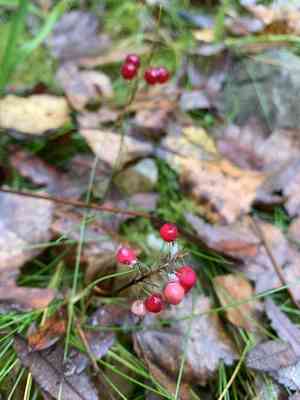
May lily offers visual interest throughout its active growth period. In spring, its tender shoots appear, followed by clusters of small white flowers that bloom in early summer, adding a touch of grace. By autumn, the green foliage shifts to a lovely yellow, maintaining its allure as seasons change.
Color scheme compatibility with other garden flora
May lily is an excellent addition to any garden due to its neutral color palette, which complements a variety of other plants. Its soft greens and whites can serve as a backdrop for more vibrant blooms, creating a balanced and visually pleasing landscape.
Optimal Placement for May Lily
Choosing the correct garden spot
Finding the perfect location for May lily in your garden is essential for highlighting its beauty. It flourishes best in shaded or partially shaded areas, making it ideal for planting beneath trees or along the edges of woodland gardens.
Considering sun exposure and shade requirements
It's crucial to assess the amount of sunlight May lily will receive. While it can tolerate some sun, it prefers dappled or partial shade. Too much direct sunlight can scorch its leaves, so positioning it in areas with indirect light will yield the best results.
Soil type preferences for May lily
May lily thrives in moist, well-drained soil with a rich organic content. Incorporating compost or organic matter into the soil can enhance its growth. Avoid overly sandy or heavy clay soils, as they can hinder development.
Companion Plants for May Lily: Crafting a Harmonious Display
Ideal companion plants for May lily
Some of the best companion plants for May lily include hostas, ferns, and astilbes. These plants share similar growing conditions, and their varied textures and colors can enrich your garden composition.
Arranging plants for visual equilibrium
To achieve visual balance, arrange May lily in groups and clusters rather than as isolated specimens. This grouping can create a naturalistic appearance while allowing the delicate flowers and foliage to make a subtle yet impactful statement.
Considering growth habits and spatial needs
Ensure that the spacing accommodates the growth patterns of both May lily and its companion plants. May lily spreads gradually, so providing ample room to grow without overcrowding will help maintain a healthy and attractive garden.
Seasonal Care Advice for May Lily in Landscape Settings
Spring maintenance routines
In spring, clear away any debris and dead leaves around your May lily plants. Apply a layer of mulch to retain moisture and suppress weeds. Regular watering during dry spells is also beneficial as new growth commences.
Summer care adjustments for peak growth
During summer, ensure May lily receives sufficient water, especially during dry periods. While it is relatively low maintenance, monitoring for pests and diseases will ensure it continues to flourish. If needed, use natural pest control methods to keep your plants healthy.
Preparing May lily for autumn and winter
As autumn approaches, allow the foliage to die back naturally, which helps nourish the plant's roots. In colder regions, adding a thicker layer of mulch can protect the roots from freezing. Come spring, your May lily will re-emerge, ready to grace your garden once more.



