The May lily Plant Advantage: Maximizing Home and Office Appeal and Wellness
1
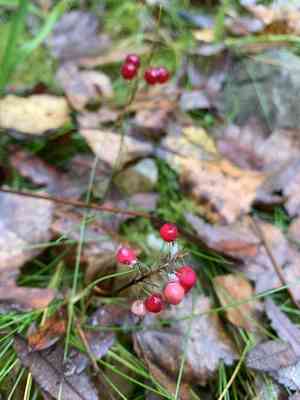
May lily serves as a superb ground cover, effectively preventing soil degradation.
2
Its heart-shaped foliage and subtle blossoms offer an attractive visual element.
3
This plant flourishes in low-light environments, making it perfect for planting beneath trees.
Why Consider Incorporating May Lily into Your Garden?
Visual Appeal
May lily showcases striking heart-shaped foliage and delicate white blossoms, forming an attractive ground cover. Its vibrant green leaves and seasonal blooms add visual interest to shaded garden spots, making it a beautiful addition to any landscape. Furthermore, its low-growing habit creates a lush, carpet-like effect, enhancing your garden's overall look.
Practical Advantages
May lily offers more than just beauty; it provides several functional benefits. Its dense growth aids in preventing soil erosion, making it an excellent plant for stabilizing slopes and other vulnerable areas. This plant also contributes to improved soil health by maintaining moisture levels and reducing weed growth through its shading effect.
How to Successfully Cultivate May Lily?
Optimal Growing Conditions
May lily thrives in shaded or partially shaded locations, making it ideal for planting under trees or in woodland gardens. It prefers moist, well-drained soil and can adapt to various soil types, from sandy to loamy. Ensure the soil remains consistently moist, especially during dry periods, to support healthy development.
Planting Guidelines
When planting May lily, space the plants approximately 6-8 inches apart to allow for adequate air circulation and growth. Mulching around the base can help retain soil moisture and suppress weeds. Consistent watering, particularly during the initial growing season, is crucial for establishing a strong root system. Fertilizing with a balanced, slow-release fertilizer in early spring can further promote growth and flowering.
What Are May Lily's Benefits Beyond the Garden?
Wildlife Attraction
One charming aspect of May lily is its ability to attract wildlife. The plant's flowers are known to draw pollinators like bees and butterflies, increasing your garden's biodiversity. Additionally, the plant provides shelter and food sources for various small animals and birds, contributing to a vibrant, healthy ecosystem.
Well-being and Mental Health
Gardening itself has been shown to improve mental health by reducing stress and enhancing overall well-being. The serene beauty of May lily can enhance your garden's tranquil atmosphere, offering a peaceful retreat where you can connect with nature. Spending time in such an environment can uplift your mood and promote relaxation.
Maintenance and Care for May Lily
Regular Trimming
To maintain May lily's health and appearance, regular pruning is essential. Removing dead or damaged leaves and stems encourages new growth and keeps the plant looking neat. Pruning also helps control the plant's spread, ensuring it doesn't overtake other garden areas.
Pest and Disease Management
May lily is relatively resistant to pests and diseases, making it a low-maintenance choice for gardeners. However, it's still important to monitor for common issues like slugs and snails, especially in damp conditions. Employing natural pest control methods and maintaining good garden hygiene can help keep these problems in check.



