
May lily (Maianthemum bifolium)
Also known as: False lily of the valley
Lily of the Valley (Convallaria majalis) is a resilient flowering plant that thrives in cold climates, including regions as harsh as Siberia. This perennial prefers moist soil and struggles in dry conditions. In the spring, it produces delicate white flower spikes, which later develop into red berries by late summer.
In This Article
Attributes of May lily
Lifespan
Perennial
Plant Type
Herb
Plant Height
15 cm to 23 cm
Spread
1 m
Leaf Color
Green
Flower Size
0.5-1 cm
Flower Color
White Cream
Images of May lily
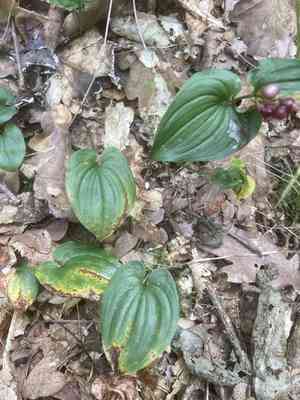

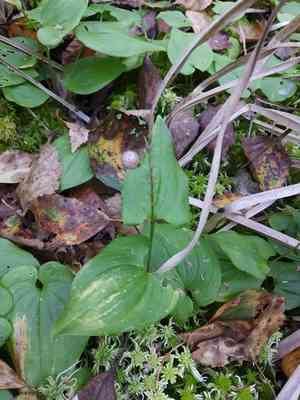
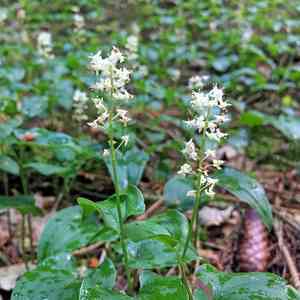
Quickly Identify May lily
1
Maianthemum bifolium can be identified by its small, heart-shaped leaves that grow in pairs, and its delicate, star-shaped white flowers that appear in late spring to early summer. The plant is typically found in shaded woodland areas.
Scientific Classification of May lily
Phylum
Vascular plants
Class
Monocotyledons
Order
Asparagales
Family
Asparagus
Genus
Maianthemum
Species
May lily
Planting and Growing of May lily
Care Difficulty
Easy
Watering Schedule
Every 2 days
Sunlight Requirements
Full shade
Sunshine Duration
4-6 hours
Ideal Temperature
60-75℉
Soil Type
Potting Mix, Peat Mix
Soil pH
5.5-7
Fertilizer Type
Balanced
Pruning Season
Spring, Summer
Pruning Area
Branches, Leaves
Pruning Frequency
2 times a year
Repotting Season
Spring
Pot Type
Plastic, Ceramic
 How to Water May lily?
When watering Maianthemum bifolium, it is crucial to ensure the soil remains evenly moist but not waterlogged. Aim for about 150 milliliters per watering session, allowing the water to seep into the soil until it starts to drain from the bottom. This promotes a healthy root system and ensures the plant receives adequate hydration.
What are the symptoms of an underwatered May lily?
›
What should I do if my May lily is not getting enough water?
›
What are the symptoms of an overwatered May lily?
›
How to save an overwatered May lily?
›
 What Are the Sunlight Requirements for May lily?
Partial sun or full shade is optimal for Maianthemum bifolium. Such conditions support slow but healthy growth, lush foliage, and maintain its natural form and vigor.
More About Sunlight Requirements Techniques→
Solution Introduction
›
Practical Steps
›
Benefits of Ideal Lighting
›
 What Is the Ideal Temperature Range for May lily?
The ideal temperature range for cultivating Maianthemum bifolium falls between 60°F and 75°F. This range ensures optimal growing conditions, providing the warmth necessary for its photosynthesis processes during the day while avoiding excessive heat that might stress the plant.
 What Soil is Best for May lily?
Maianthemum bifolium thrives in loam soil due to its ability to retain moisture while allowing adequate drainage. This prevents waterlogging and ensures the roots have consistent moisture without drowning them, leading to healthier growth. The presence of organic matter in loam soil offers a rich nutrient supply, essential for the vigorous growth of Maianthemum bifolium. This supports the plant's development by supplying the nutrients it needs for photosynthesis and overall vitality. Acidic soil is ideal for this plant as it can thrive in lower pH levels, which supports efficient nutrient absorption and encourages the development of essential minerals that the plant requires.
 How to Fertilize May lily?
Maianthemum bifolium requires careful fertilization to thrive. Use a balanced liquid fertilizer diluted to half strength, applying approximately 1 liter per square meter. For slow-release granules, apply no more than 25 grams per plant per year.
 How to Prune May lily?
Begin by removing any dead or damaged leaves and stems to promote healthy plant growth. Use sharp, clean scissors or pruning shears to make precise cuts close to the base. Trim back overgrown areas to maintain the plant's shape, but be careful not to remove more than one-third of the plant at a time, as this can stress the plant. Regular pruning during the growing seasons helps to keep Maianthemum bifolium compact and tidy.
More About Pruning Techniques→
 How to Propagate May lily plant?
1
Choose a well-draining soil mix or amend your garden soil with sand and organic compost. This ensures that the plant has adequate nutrients and drainage to thrive.
2
Scatter seeds thinly in the seed trays or directly into prepared garden soil. Cover lightly with a fine layer of soil and water gently to ensure the seeds are properly hydrated.
3
Carefully dig up existing plants and separate the rhizomes with a clean garden spade. Each division should have at least one growing point. Replant immediately to encourage quick establishment.
 How to Repot May lily plant?
1
Repot Maianthemum bifolium when you notice the roots emerging from the drainage holes at the bottom of the pot or if the growth becomes stunted. This usually indicates that the current pot is too small or the soil has depleted its nutrients.
2
Select a pot that is 1-2 inches larger in diameter than the current one. Ensure it has drainage holes at the bottom to prevent water accumulation and root rot. The size will allow the roots to spread comfortably, promoting healthy growth.
3
Opt for a well-draining potting mix that contains components like perlite or sand. This soil structure will help prevent waterlogging and offer a balanced moisture level. It's crucial for plants like Maianthemum bifolium, which prefer moderate moisture.
Toxicity
Ingestion, Skin contact
WARNING
The judgment on toxicity and danger is for reference only. We DO NOT GUARANTEE any accuracy of such judgment. Therefore, you SHALL NOT rely on such judgment. It is IMPORTANT TO SEEK PROFESSIONAL ADVICE in advance when necessary.
Learn More About May lily Diseases
Anthracnose
Bacterial Leaf Spot
Bacterial Soft Rot
Bacterial Wilt
Black Spot
Chemical Injury
Crown Gall
Cyst Nematode
Damping-off
Downy Mildew
Drought Stress
Fusarium Wilt
Gray Mold
Leaf Spot
Mosaic
Nutrient Deficiency
Nutrient Toxicity
Powdery Mildew
Root Rot
Root-knot Nematode
Rusts
Sooty Mold
Spider Mites
Temperature Stress
Thrips Damage
White Mold



