How to Propagate Bayonet rush?
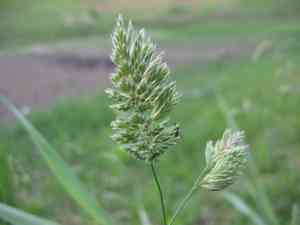
Juncus ensifolius, a perennial aquatic plant, flourishes in damp, sandy, or peaty ground. To achieve successful propagation, utilize fresh seeds planted in consistently moist, well-aerated growing media. Sustain steady hydration levels to stimulate germination, usually accomplished via regulated irrigation. Employing fine sand or a lightweight soil blend can prove beneficial. Providing a stable, warm setting will foster seedling maturation and vigorous development. Periodically check for ideal moisture preservation to guarantee a thriving propagation procedure.
Optimal Time for Bayonet Rush Propagation
Propagation Method
Seeding
Propagation Period
Spring
Tools for Bayonet Rush Propagation
Seed Tray
Utilized for planting bayonet rush seeds. Aids in organizing and managing seeds in a controlled setting, simplifying care and observation.
Seedling Mat
Delivers consistent warmth from below, crucial for the germination and initial growth phases of bayonet rush seedlings. Ensures ideal soil temperature.
Misting Bottle
Applies a gentle water spray to keep the soil surface damp without dislodging seeds. Essential for maintaining the delicate moisture balance needed for bayonet rush seeds.
Fine Sieve
Used to create a thin layer of soil or sand over bayonet rush seeds after planting, ensuring good seed-to-soil contact and preventing light from impeding germination.
Label Stakes
Assists in marking and identifying various planting attempts or batches of bayonet rush, preventing confusion and ensuring organized tracking of propagation progress.
Sharp Knife or Pruners
Crucial for taking cuttings or trimming overgrown sections during the propagation process. Ensures clean cuts that minimize plant stress and encourage healthier development.
Sterilized Soil Mix
Offers a pathogen-free growing medium for bayonet rush seeds, reducing the risk of soil-borne diseases and pests that could jeopardize seedling health.
How to Propagate Bayonet Rush?
Propagation Type
Simple
Caring for Your Newly Propagated Bayonet Rush
Caring for Your Newly Propagated Bayonet Rush?
After propagation, ensure bayonet rush receives consistent moisture. Regularly verify that the soil remains damp, especially during dry periods. Mulching around the base can help retain moisture. Fertilization is generally not needed, but if growth appears stunted, a light application of a balanced fertilizer can be used. Monitor for pests and diseases and address them as necessary. Periodically remove any weeds that might compete with bayonet rush for nutrients and water.
Common Errors to Avoid When Propagating Bayonet Rush
Overwatering
Excessive watering can cause root rot, depriving roots of oxygen.
Inadequate Soil Conditions
Using soil that holds too much water or is too dry can hinder root development.
Insufficient Light
Lack of light can impede growth and propagation, as bayonet rush thrives in well-lit environments.
Incorrect Cutting Methods
Taking cuttings improperly can harm the parent plant and decrease the likelihood of successful propagation.
Ignoring Pest Control
Neglecting pest management can lead to infestations that damage new and parent plants.
Tips For Propagating Bayonet Rush
Water Management
Ensure the soil is moist but drains well to prevent root rot while maintaining adequate hydration.
Soil Selection
Use soil that is adequately aerated and provides good drainage. A mix containing sand or perlite can be beneficial.
Adequate Lighting
Provide bright, indirect light to encourage healthy growth and robust propagation.
Proper Cutting Techniques
Use clean, sharp tools to take cuttings and make sure the cuttings have at least one node for new root growth.
Pest Monitoring
Regularly check both the parent and new plants for pests and take immediate action if any are found.



