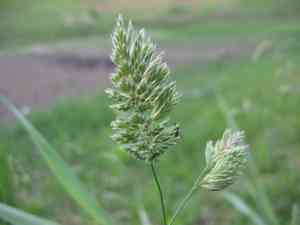
Bayonet rush (Juncus militaris)
Also known as: Bayonet Rush, Military Rush
Cattails are resilient perennial plants commonly found in wetlands and marshy regions. They display tall, cylindrical stems with tightly packed, slender leaves. This unique structure enables cattails to flourish in waterlogged soils by effectively channeling oxygen to their submerged roots, which is essential for their growth in aquatic environments.
In This Article
Attributes of Bayonet rush
Lifespan
Perennial
Plant Type
Herb
Plant Height
1.2 to 1.5 meters
Spread
N/A
Leaf Color
N/A (no leaves)
Flower Size
0.2 to 0.5 centimeters
Flower Color
White Yellow Red Green Brown
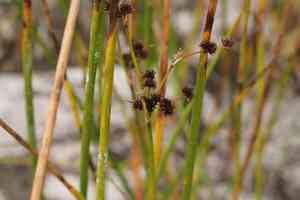
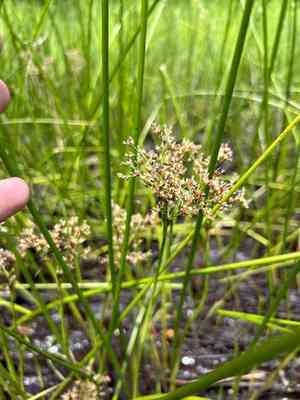
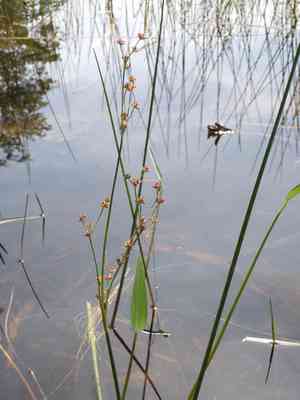
Images of Bayonet rush
Quickly Identify Bayonet rush
1
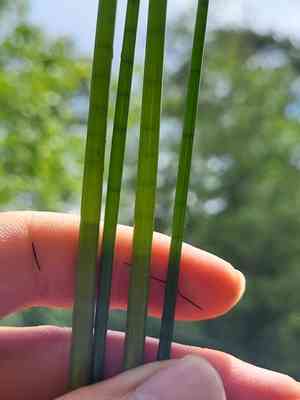
To identify Juncus militaris, look for its cylindrical, upright stems that are smooth and lack leaves. The stems are typically green to reddish and can grow up to 1.5 meters tall. The plant also has small, brownish flowers that appear in clusters.
Scientific Classification of Bayonet rush
Phylum
Vascular plants
Class
Monocotyledons
Order
Poales
Family
Rush
Genus
Rushes
Species
Bayonet rush
Planting and Growing of Bayonet rush
Care Difficulty
Easy
Watering Schedule
Every 3 days
Sunlight Requirements
Partial sun
Sunshine Duration
6-10 hours
Ideal Temperature
60-75℉
Soil Type
Potting Mix, Peat Mix
Soil pH
5.5-7.5
Fertilizer Type
Balanced
Pruning Season
Spring, Summer
Pruning Area
Branches, Leaves
Pruning Frequency
2 times a year
Repotting Season
Spring
Pot Type
Ceramic, Plastic
 How to Water Bayonet rush?
Juncus militaris prefers being in consistently moist conditions. When watering, aim to thoroughly soak the soil until it is evenly moist throughout, but avoid leaving it waterlogged. Each watering should involve approximately 500 ml of water.
What are the symptoms of an underwatered Bayonet rush?
›
What should I do if my Bayonet rush is not getting enough water?
›
What are the symptoms of an overwatered Bayonet rush?
›
How to save an overwatered Bayonet rush?
›
 What Are the Sunlight Requirements for Bayonet rush?
Partial sun to full sun is ideal; this supports strong growth and keeps foliage vibrant by balancing energy input and stress mitigation from too harsh lighting.
Optimal Sunlight Duration
›
Solution for Ideal Light Exposure
›
Benefits of Ideal Lighting
›
 What Is the Ideal Temperature Range for Bayonet rush?
For Juncus militaris to thrive, a temperature range of 60°F to 75°F is ideal. This range allows for optimal metabolic activity and nutrient absorption, promoting healthy growth and development. It is important to maintain these temperatures consistently to avoid any stress that could hinder plant growth.
 What Soil is Best for Bayonet rush?
Juncus militaris thrives in well-draining sandy loam. This type of soil prevents waterlogging, which can lead to root rot and supports the plant's natural habitat, mimicking the conditions of stream banks and wetlands. This species requires soils that hold moisture without becoming excessively soggy. Peat-rich soils offer this balance, allowing the roots to access necessary moisture while remaining aerated, encouraging healthy plant growth. While Juncus militaris is somewhat forgiving, it still thrives in soils with moderate organic content. Organic material within the soil supplies essential nutrients, promoting vigorous growth and vibrant foliage.
 How to Fertilize Bayonet rush?
When applying fertilizer to Juncus militaris, it's crucial to avoid over-fertilization, which can lead to nutrient burn. Typically, a balanced 10-10-10 liquid fertilizer should be diluted to half its strength, around 1/4 teaspoon per gallon of water, providing just enough nutrients without overwhelming the plant.
 How to Prune Bayonet rush?
Begin pruning by identifying and removing any dead or damaged stems. Cut these back to the base or nearest healthy node to stimulate new growth. Trim the plant to maintain its desired shape and size. Ensure you cut just above a node or leaf junction to encourage sideways growth and a fuller appearance. Thin out any excessively dense areas to improve air circulation. Focus on removing older, less productive stems to make room for new growth.
More About Pruning Techniques→
 How to Propagate Bayonet rush plant?
1
Harvest seeds from mature Juncus militaris plants in late summer to early autumn. Allow the seed heads to dry on the plant before collecting them to ensure the seeds are fully matured and viable.
2
Sow the collected seeds in seed trays filled with a well-draining potting mix. Cover the seeds lightly with soil and keep them moist. Place the trays in a warm location with indirect sunlight.
3
In early spring, dig up the mature plant carefully using a garden spade. Using your hands, gently separate the clumps into smaller sections, ensuring each section has a portion of roots attached. Replant the divisions immediately.
 How to Repot Bayonet rush plant?
1
Juncus militaris, or the bayonet rush, signals its need for repotting when roots start to emerge from the drainage holes, or if it appears stunted even with regular care. Ideally, aim for every two to three years, when the growing season begins in spring or early summer, to minimize transplant shock.
2
Opt for a pot that is merely one size larger than the current one. This ensures that the roots have enough room to grow without becoming waterlogged. A pot with ample drainage holes is crucial because it prevents water accumulation, reducing the risk of root rot which Juncus militaris can be susceptible to.
3
The ideal soil mix should be loamy and well-drained, preferably with organic material. This type of soil provides the right balance of moisture retention and drainage, allowing Juncus militaris roots to breathe while staying hydrated, fostering healthy growth and preventing fungal issues.
Learn More About Bayonet rush Diseases
Anthracnose
Bacterial Leaf Spot
Bacterial Soft Rot
Bacterial Wilt
Chemical Injury
Crown Gall
Cyst Nematode
Damping-off
Downy Mildew
Drought Stress
Fusarium Wilt
Gray Mold
Leaf Spot
Mosaic
Nutrient Deficiency
Nutrient Toxicity
Powdery Mildew
Root Rot
Root-knot Nematode
Rusts
Sooty Mold
Spider Mites
Temperature Stress
Thrips Damage
White Mold



