How to Propagate Dyer's woad?
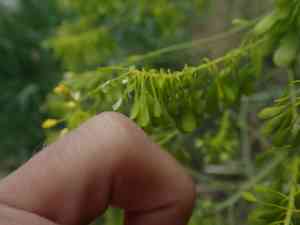
Isatis tinctoria flourishes when reproduced by the straightforward technique of planting seeds directly into permeable earth. Maintaining consistent soil dampness and supplying sufficient light will encourage peak development. Careful handling of the fragile young plants is essential to prevent harm during initial growth phases. Frequent inspection for insects is advisable to preserve the well-being of Isatis tinctoria.
Optimal Time for Dyer's Woad Propagation
Propagation Method
Seeding
Propagation Period
Spring
Essential Tools for Dyer's Woad Propagation
Seed trays
Seed trays are crucial for planting dyer's woad seeds, enabling uniform distribution and organization. Their use ensures each seed has adequate room to develop without competition, fostering stronger seedlings. This is particularly beneficial for dyer's woad, as precise spacing aids in managing its growth and improving air circulation around young plants.
Soil mix
A premium soil blend is vital for propagating dyer's woad. This medium should drain well yet retain sufficient moisture to support the initial growth phases of dyer's woad. The mix should also be light in texture and nutrient-rich to meet the specific requirements of this species, boosting its chances of successful germination and root development.
Watering can with a fine rose
This implement is important for gently irrigating dyer's woad seeds without dislodging them. The fine rose attachment on the watering can ensures a soft, even spray of water, which is crucial for keeping the delicate dyer's woad seeds and emerging seedlings adequately moist without causing erosion or seed displacement in the soil tray.
Labels and markers
Utilizing labels and markers assists in accurately identifying and tracking sown dyer's woad seeds. Labeling is critical for record-keeping, especially when propagating multiple plant species, and helps monitor growth progress and specific care requirements for each plant.
Growth lights (if indoor propagation)
For those propagating dyer's woad indoors, grow lights are essential for providing the necessary light spectrum to support photosynthesis and healthy development. Dyer's woad thrives under sufficient lighting, so adjustable growth lights can ensure optimal plant development even without natural sunlight.
How to Propagate Dyer's Woad?
Propagation Type
Simple
Caring for Newly Propagated Dyer's Woad
Caring for Newly Propagated Dyer's Woad?
Post-propagation, maintain moderate soil moisture for dyer's woad. Avoid excessive watering as dyer's woad prefers drier conditions once established. Provide occasional fertilization to support growth but avoid over-supplying nutrients. Weed control is essential to prevent competition for nutrients and light. As a robust and resilient plant, dyer's woad generally requires minimal care, but routine monitoring for pests and diseases will ensure healthier growth.
Common Errors to Avoid When Propagating Dyer's Woad
Overwatering
Excessive watering of dyer's woad can lead to root rot and fungal infections. Since dyer's woad is adapted to somewhat drier conditions, too much moisture can hinder root development and weaken the plant.
Planting depth errors
Planting dyer's woad seeds or starts too deep can prevent successful germination and growth. If seeds or root crowns are buried too far below the soil surface, they may not be able to reach the light, impeding their development.
Ignoring soil preparation
Failing to properly prepare the soil for dyer's woad can impede its growth. This plant thrives in well-draining soil with moderate fertility; compacted or nutrient-poor soil can significantly reduce propagation success.
Tips For Propagating Dyer's Woad
Soil aeration
Ensuring the soil is well-aerated and loose promotes healthy growth of dyer's woad. Loosened soil allows for better root penetration and water drainage, both crucial for the plant's well-being.
Moderate watering
Dyer's woad benefits from moderate watering, especially during the seedling stage. Ensuring the soil is moist but not waterlogged can aid in the successful establishment of the plant.
Sun exposure
Providing ample sun exposure is essential for dyer's woad's growth. This species requires full sun to thrive, which enhances its vitality and promotes robust development.



