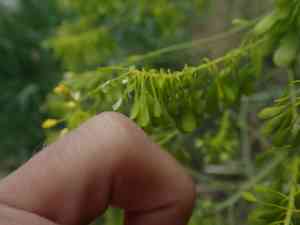
Dyer's woad (Isatis tinctoria)
Also known as: Wade
Woad (*Isatis tinctoria*), found in the desert regions of western and Central Asia, central and southeastern Europe, and western North America, has been an essential source of blue dye since medieval times.
In This Article
Attributes of Dyer's woad
Lifespan
Biennial, Perennial, Annual
Plant Type
Herb
Plant Height
2 m
Spread
50 cm
Leaf Color
Green Blue
Flower Size
Small, about 0.5 cm
Flower Color
Yellow
Images of Dyer's woad
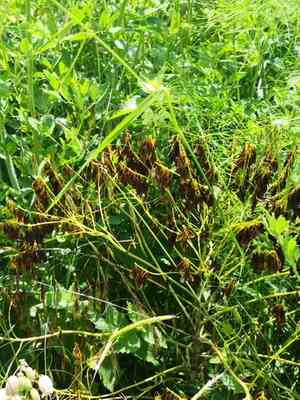
Quickly Identify Dyer's woad
1
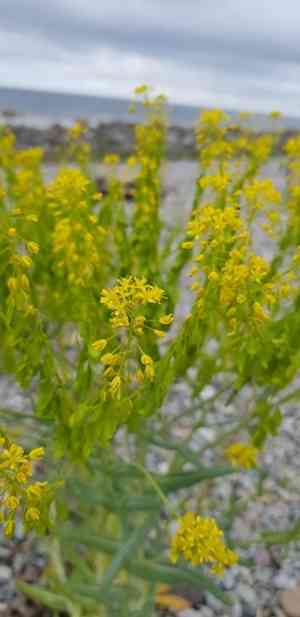
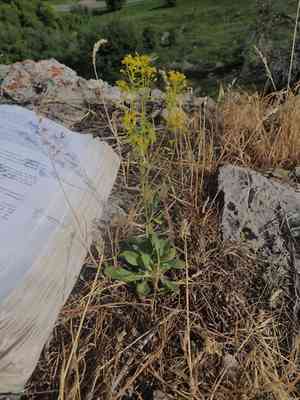
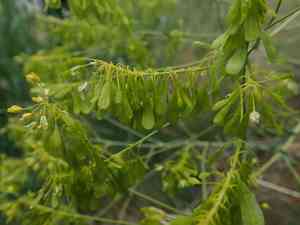
Identifying Isatis tinctoria involves looking for its characteristic tall, spindly stems that can grow up to 1.2 meters, its elongated lanceolate leaves, and clusters of small yellow flowers that bloom in late spring and summer.
Scientific Classification of Dyer's woad
Phylum
Vascular plants
Class
Dicotyledons
Order
Brassicales
Family
Cruciferae
Genus
Woad
Species
Dyer's woad
Planting and Growing of Dyer's woad
Care Difficulty
Easy
Watering Schedule
Every 2 days
Sunlight Requirements
Full sun
Sunshine Duration
4-6 hours
Ideal Temperature
65-75℉
Soil Type
Potting Mix, Peat Mix
Soil pH
6.5-7.5
Fertilizer Type
Balanced
Pruning Season
Spring, Summer
Pruning Area
Branches, Leaves
Pruning Frequency
2 times a year
Repotting Season
Spring
Pot Type
Plastic, Ceramic
 How to Water Dyer's woad?
For Isatis tinctoria, aim to water them deeply. Ensure that the water reaches at least the top 6 inches of the soil to support root growth. It's important to allow the soil to dry out between waterings to prevent root rot.
What are the symptoms of an underwatered Dyer's woad?
›
What should I do if my Dyer's woad is not getting enough water?
›
What are the symptoms of an overwatered Dyer's woad?
›
How to save an overwatered Dyer's woad?
›
 What Are the Sunlight Requirements for Dyer's woad?
The ideal light range for Isatis tinctoria is full sun to partial sun. Access to consistent and appropriate light intensity promotes robust growth and vibrant coloration of foliage.
More About Sunlight Requirements Techniques→
What is the ideal lighting condition?
›
How to achieve ideal lighting?
›
What are the benefits of ideal lighting?
›
 What Is the Ideal Temperature Range for Dyer's woad?
The ideal temperature range for growing Isatis tinctoria is between 65°F and 75°F. This cool to moderate temperature ensures optimal growth and development of the plant. Isatis tinctoria prefers full sunlight and this temperature range helps support its photosynthetic processes while preventing stress from extreme heat or cold.
 What Soil is Best for Dyer's woad?
Isatis tinctoria thrives in soil that offers excellent drainage. This is crucial as it prevents root rot, a common issue in overly saturated soils. Well-draining soil ensures the plant receives adequate moisture without the risk of standing water. This plant benefits from growing in soil with moderate fertility. While it doesn’t demand rich organic matter, it appreciates the nutrients that support its growth and color development. Ensuring moderate fertility helps the plant produce vibrant and healthy foliage. Isatis tinctoria prefers neutral to slightly alkaline soil within the pH range of 6.5 to 7.5. This pH range facilitates optimal nutrient absorption, enhancing growth and maintaining the plant's health and vigor.
 How to Fertilize Dyer's woad?
Isatis tinctoria, also known as woad, prefers a moderate amount of fertilizer. Applying 1/2 strength of a balanced liquid fertilizer every two weeks during the growing season should suffice to maintain healthy growth. Too much can lead to lush foliage but weakened dye properties.
 How to Prune Dyer's woad?
Begin your pruning regimen in early spring when the plant starts to show new growth. Use sharp and clean pruning shears to remove dead, damaged, or diseased branches. Trim back any overly long stems to encourage a more compact and rounded shape. This creates a balanced structure and prepares the plant for a season of robust growth. As summer progresses, you may notice some shoots outgrowing the rest. Trim these back lightly to maintain the desired shape and size of the plant. Also, remove any flower stalks that have bloomed to encourage further flowering and prevent the plant from going to seed prematurely.
More About Pruning Techniques→
 How to Propagate Dyer's woad plant?
1
Gather seeds from mature Isatis tinctoria plants in autumn. Look for fully ripened seeds, which are typically brown and dry. Store them in a cool, dry place until ready to sow in early spring.
2
Select healthy roots in late autumn. Use a sterilized knife to cut sections about 2-3 inches long. Each cutting should have a visible growth bud. Keep them moist until they are ready for planting.
3
Fill seed trays with a well-draining potting mix and sow seeds thinly. Cover lightly and water gently to avoid displacement. Place trays in a warm location with indirect sunlight until seedlings emerge.
 How to Repot Dyer's woad plant?
1
Isatis tinctoria, commonly known as woad, signals its need for repotting through several tell-tale signs. If roots start swirling around the pot's edges or emerging from the drainage holes, it’s definitely time. Additionally, if growth appears stunted despite adequate care, the plant is likely root-bound, indicating the need for a larger home.
2
Selecting the right pot for your Isatis tinctoria involves more than simply size; drainage is paramount. Opt for a pot that's at least 2 inches wider in diameter than the current one, allowing room for growth. Material matters too—ceramic or terracotta pots help regulate moisture levels, keeping the plant’s roots from excessive dampness.
3
Choose a well-drained sandy loam mix for Isatis tinctoria. This type of soil mimics its natural growing conditions, providing adequate drainage while retaining necessary nutrients. The balance prevents waterlogging, significantly reducing the risk of root rot and promoting robust root growth.
Learn More About Dyer's woad Diseases
Anthracnose
Bacterial Leaf Spot
Bacterial Soft Rot
Bacterial Wilt
Clubroot
Crown Gall
Cyst Nematode
Damping-off
Downy Mildew
Drought Stress
Fusarium Wilt
Gray Mold
Leaf Spot
Mosaic
Nutrient Deficiency
Nutrient Toxicity
Powdery Mildew
Root Rot
Root-knot Nematode
Rusts
Sooty Mold
Spider Mites
Temperature Stress
Thrips Damage
White Mold
Chemical Injury



