How to Propagate Red yucca?
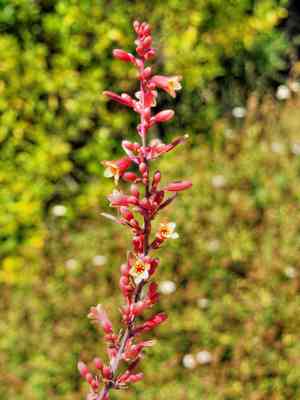
Hesperaloe parviflora primarily reproduces via separation, ideally performed in the Spring or Autumn seasons. This method of propagation is quite straightforward, and thriving separations are indicated by fresh development. Ensure the newly separated plants receive ample hydration to facilitate robust establishment.
Optimal Time for Red Yucca Propagation
Propagation Method
Separation
Propagation Period
Spring, Fall
Tools for Red Yucca Propagation
Sharp, clean knife or pruning shears
Utilized for precise cuts through the root system of red yucca during division, reducing harm and potential disease entry. A keen blade promotes rapid healing and less plant stress.
Garden spade or fork
Required for excavating red yucca in preparation for division. These implements aid in gently lifting the plant and its root ball from the soil, minimizing root damage during the process.
Potting soil mix
Offers a suitable growth medium for the newly separated red yucca sections. A well-draining blend supports root development and helps prevent root rot, vital for red yucca's health.
Containers or pots with drainage holes
Crucial for planting the red yucca divisions. Proper drainage ensures excess water can escape, preventing waterlogged conditions detrimental to red yucca's root health.
Watering can or hose with a gentle nozzle
Soft watering tools prevent soil erosion and damage to the delicate root structures of newly potted red yucca divisions. Consistent moisture aids in the establishment of new plants.
Rooting hormone (optional)
Though not always essential, rooting hormone can accelerate root growth in red yucca divisions. This helps new plants establish faster and begin vigorous growth.
Labels and a permanent marker
These items are important for tracking propagated plants. Labeling assists in monitoring each red yucca division's progress and maintaining an accurate propagation timeline.
How to Propagate Red Yucca?
Propagation Method
Division
Difficulty Level
Simple
Caring for Your Newly Propagated Red Yucca
Caring for Your Newly Propagated Red Yucca?
After division, red yucca needs minimal upkeep. Ensure it's planted in full sun to partial shade and well-draining soil. Once established, red yucca is drought-tolerant, needing only occasional deep watering. It doesn't require frequent feeding but can benefit from a balanced, slow-release fertilizer in spring. Monitor for pests and diseases, though red yucca is quite resistant. Trim dead leaves and spent flower stalks to encourage tidy growth and reblooming.
Common Errors to Avoid When Propagating Red Yucca
Excessive watering of cuttings
Root rot can occur if red yucca cuttings are kept too moist. The species is drought-tolerant and requires well-draining soil to prevent waterlogging and subsequent fungal issues.
Planting too deep
Planting red yucca cuttings or seedlings too deeply can hinder root development and lead to stem rot. This species needs light, superficial coverage when seeds are sown, and cuttings should be planted just deep enough for stability.
Poor division technique
Improper division of red yucca clumps can harm both the parent plant and the offsets. Sharp, clean cuts are necessary to minimize stress and injury, as rough division can impair health and propagation success.
Neglecting pest control
Failure to monitor and manage pests on red yucca propagules can significantly reduce their chances of a healthy start. Despite red yucca's resilience, pests like aphids and mealybugs can still affect young plants.
Tips for Propagating Red Yucca
Dry soil for seeds
Utilize a well-draining, sandy soil mix for sowing red yucca seeds. Red yucca's natural habitat is arid, and the soil should mimic this environment to boost germination rates and support seedling growth.
Adequate spacing
Provide ample space between seedlings and cuttings. Red yucca can grow larger than anticipated, and overcrowding can lead to poor air circulation, making plants more susceptible to fungal problems.
Infrequent watering
Water red yucca seeds and cuttings sparingly. Only provide water when the soil feels dry to the touch, which imitates red yucca's native desert conditions and promotes strong root growth.
Full sun exposure
Ensure red yucca propagules are placed in an area receiving full sunlight. The species thrives in high light conditions, encouraging vigorous growth and the development of its characteristic red flowers.



