Enhancing Your Garden Design with the Red yucca Plant: A Landscaping Guide
1
The red yucca plant tolerates dry conditions well and flourishes in diverse weather, making it perfect for landscapes that conserve water.
2
Adding red yucca to your outdoor space can draw in helpful creatures like hummingbirds and butterflies.
3
Red yucca's distinct look fits effortlessly into both classic and contemporary garden styles.
Exploring the Contribution of Red Yucca to Landscape Design
The aesthetic appeal of Red yucca
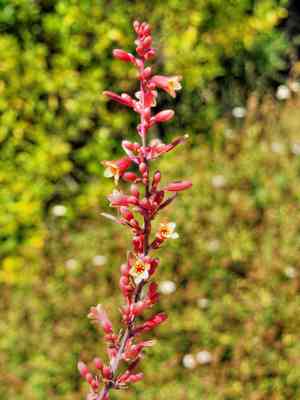
A standout characteristic of Red yucca is its vivid, tubular blooms that introduce a burst of color to any garden. These flowers, ranging from pink to red, not only provide visual interest but also offer a dynamic appearance across different seasons. Its elongated, slender, and arching leaves contribute an architectural element that can enhance the structure and form of your landscape design. Consider utilizing Red yucca as a backdrop for shorter plants or as a solitary centerpiece to fully appreciate its distinct beauty.
Ecological advantages of integrating Red yucca
Red yucca is drought-tolerant and needs minimal irrigation once established, making it an excellent option for environmentally friendly gardens and xeriscaping. This plant aids in water conservation while still offering lush foliage. Furthermore, Red yucca has low requirements for fertilizers and pesticides, lessening the chemical burden on your garden. Its flowers are known to attract pollinators such as hummingbirds and butterflies, supporting local ecosystems and fostering biodiversity in your garden.
How Red yucca adapts to various landscape styles
Red yucca is adaptable in its capacity to fit into numerous landscape designs. Whether you possess a traditional, desert, contemporary, or cottage garden, Red yucca can complement your style. For a modern minimalist garden, combine it with succulents and gravel. In a desert landscape, blend Red yucca with cacti and other drought-resistant plants. Its design flexibility makes it a preferred plant for adding both texture and color to any garden layout.
Designing Your Space with Red Yucca
Initial considerations for featuring Red yucca in your yard
Before introducing Red yucca into your garden, evaluate its size and growth patterns. This plant can become quite large, so ensure you provide ample room for it to expand. Select a location with full sun to partial shade, as this will maximize its growth potential and flower production. Ensure proper soil drainage to prevent root rot and enhance its drought-tolerant qualities. Advanced planning will help you create a harmonious and flourishing garden space.
Choosing companion plants for Red yucca
When selecting companion plants for Red yucca, consider plants that share similar water and sunlight needs. Succulents, ornamental grasses, and other drought-resistant perennials are excellent choices. Think about color and texture contrasts; for instance, pairing Red yucca's tall, spiky leaves with softer, more rounded plants can create visual appeal. Another great companion plant is lavender, which complements Red yucca in both color and care requirements, adding a fragrant touch to your garden.
Creative placement ideas for Red yucca
Be imaginative with the positioning of Red yucca in your landscape. Use it as a border plant to define pathways or garden beds. Plant it in clusters to create a natural-looking arrangement, or strategically place it in empty areas where you need a burst of color. Red yucca also performs well in rock gardens and as a central feature in container gardens. Its versatility allows for innovative design solutions to suit your unique garden layout.
Maintaining Red Yucca in Your Landscape
Simple tips for sustaining the health of Red yucca
Maintaining the health of Red yucca is relatively straightforward. Ensure it receives sufficient sunlight and water it sparingly but thoroughly. Remove dead or damaged leaves to encourage new growth and maintain a neat appearance. Annually, you can apply a balanced, slow-release fertilizer to support its growth, though it's generally not essential as Red yucca is quite robust.
Seasonal concerns and care for Red yucca
Although Red yucca is resilient, seasonal care can help it flourish. In colder climates, you might need to provide some winter protection, such as mulching around its base or using frost covers. During late winter or early spring, prune back any spent flower stalks to redirect energy into new growth. Regularly check for pests and diseases; while Red yucca is generally resistant, proactive care is always beneficial.
When to replace or rejuvenate Red yucca in your garden
Over time, you might observe that Red yucca appears less vibrant or grows too large for its designated area. This is an opportune moment to consider rejuvenation or replacement. If the plant has become too dense, you can divide it and transplant sections to other parts of your garden. If it exhibits signs of declining health that are not improved by care adjustments, replacing it with a new Red yucca plant can revitalize your landscape.
Visual Enhancements Using Red Yucca
Incorporating Red yucca in modern landscaping trends
Contemporary landscaping often emphasizes minimalism, sustainability, and natural beauty, all of which Red yucca can provide. Utilize it to establish clean lines and structured forms in your garden, combining it with materials like concrete, metal, and wood. Its distinctive shape and vibrant colors can add a modern edge to your outdoor space.
Using Red yucca to create focal points in your garden
With its striking blooms and unique foliage, Red yucca makes an excellent focal point. Position it in prominent spots where it can capture attention, such as at the end of a pathway or in the center of a circular garden bed. You can also use Red yucca to anchor your design by repeating it at intervals throughout the space, creating a sense of rhythm and balance.
Color coordination and textural contrasts with Red yucca
Red yucca's bold colors and distinctive texture make it an ideal candidate for creating contrasts in your garden. Pair it with plants that have contrasting foliage, such as the silvery-gray tones of Artemisia or the deep purples of ornamental cabbage. Employ color theory to your advantage by placing Red yucca next to complementary hues to create visually stimulating combinations. Its versatility allows for endless creative possibilities.



