How to Overwinter Red yucca
1
The Red yucca is a plant that tolerates dry conditions and flourishes in soil with good drainage.
2
Red yucca can endure temperatures down to -6°C (20°F), classifying it as semi-hardy.
3
Confirm your Red yucca is pest-free prior to bringing it inside for the colder months.
What is Red yucca?
What is Red yucca?
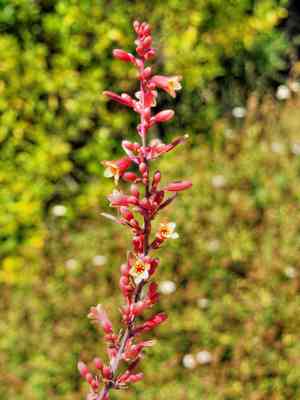
The Red yucca (Hesperaloe parviflora) is a perennial, drought-resistant succulent indigenous to the deserts of Texas and northeastern Mexico. Despite its name, Red yucca is not a true yucca. This striking plant features tubular red or pink blossoms atop tall, arching stems, and a rosette of long, slender, dark green foliage. Popular for xeriscaping and attractive to hummingbirds, this plant needs minimal water once established and prefers full sun to partial shade.
Preparing Red yucca for Winter
Inspecting the Plant
Before winter arrives, thoroughly examine your Red yucca for any indications of pests or diseases. Look for damaged or discolored foliage, which may signal problems needing attention before the plant enters dormancy. Remove any visible pests and consider treating the plant with insecticidal soap if infestations are severe. Ensuring the plant is healthy before winter will enhance its chances of surviving the colder months.
Pruning Techniques
Pruning your Red yucca before winter is vital for its well-being. Trim back any dead or damaged leaves to lessen the risk of rot. Cut these leaves close to the base, and remove any spent flower stalks to conserve the plant's energy. Proper pruning helps the plant maintain a neat appearance and reduces the likelihood of disease over the winter.
Soil Preparation
Appropriate soil preparation is crucial for overwintering Red yucca. Ensure the soil drains well, as waterlogged soil can cause root rot. If your Red yucca is planted in the ground, consider mixing in some sand or gravel to improve drainage. If your plant is potted, ensure the container has sufficient drainage holes. Water the plant lightly before the first frost, but avoid overwatering as the plant's water needs decrease significantly in winter.
Winter Protection Methods for Red yucca
Mulching
Applying a thick layer of mulch around the base of the Red yucca can help insulate the roots and retain moisture. Use organic materials such as straw, pine needles, or wood chips, and apply 5-7 cm (2-3 inches) of mulch. This protective layer helps stabilize soil temperatures and protects the roots from heavy frost.
Covering the Plant
In areas prone to severe frost, consider covering your Red yucca with a frost cloth or burlap. This added layer of protection can help shield the plant from harsh winds and freezing temperatures. Be sure to secure the cover properly to prevent it from blowing away. Remove the cover during milder days to allow the plant to breathe and prevent overheating.
Container Growing
If your Red yucca is grown in a container, you have the flexibility to move it indoors when temperatures drop. Place the pot in a bright, sunny location, such as a greenhouse or a south-facing window. Keep the indoor environment cool but frost-free, ideally between 5-10°C (41-50°F). Water sparingly and ensure good air circulation to prevent fungal issues.
Monitoring and Maintenance During Winter
Checking for Frost Damage
Regularly inspect your Red yucca for any signs of frost damage throughout the winter. Look for blackened or mushy leaves and remove any affected parts immediately. Monitoring the plant will help you catch issues early and take action to prevent further damage.
Watering Needs
During winter, the Red yucca's water requirements are significantly reduced. Water the plant sparingly, only when the top 5 cm (2 inches) of soil feels dry. Overwatering can lead to root rot, especially in colder temperatures. Ensure any excess water can drain away to keep the soil from becoming waterlogged.
Fertilizing
Avoid fertilizing your Red yucca during the winter months. The plant's growth slows down in cooler weather, and it doesn't require additional nutrients. Resuming fertilization in early spring with a balanced, slow-release fertilizer will encourage healthy growth and blooming for the upcoming season.



