How to Propagate Hottentot fig?
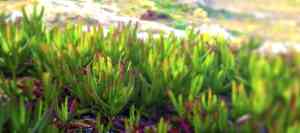
Carpobrotus edulis can be multiplied through soft stem cuttings or by planting seeds in the spring and summer seasons. The process of propagation presents a moderate challenge. Indicators of successful propagation involve the emergence of robust root systems and vibrant leaves. To achieve optimal outcomes, confirm that the cuttings originate from vigorous specimens and are placed in adequately draining substrate with sufficient exposure to sunlight.
Optimal Time for Hottentot Fig Propagation
Propagation Method
Cutting
Propagation Period
Spring,Summer
Tools for Hottentot Fig Propagation
Sharp Scissors or Pruning Shears
These are crucial for making clean, precise cuts on hottentot fig. A sharp cut promotes rapid healing and minimizes infection risk, boosting rooting success. Shears should be disinfected before use to prevent disease spread.
Rooting Hormone
Applying rooting hormone to the base of cuttings can stimulate root growth and improve rooting success. It contains synthetic auxins that mimic natural plant hormones, helping hottentot fig establish a strong root system more quickly.
Potting Mix
A well-draining, sandy or gritty potting mix is ideal for hottentot fig, replicating its natural environment. This medium provides essential aeration and drainage, helping prevent root rot during the rooting process.
Propagation Trays or Pots
These containers hold the potting mix and hottentot fig cuttings. They facilitate organized growth and easy handling during propagation. Ensure they have adequate drainage holes to prevent waterlogging.
Plastic Cover or Propagation Dome
Maintaining high humidity around hottentot fig cuttings is vital to prevent excessive water loss while roots develop. A plastic cover or dome over the propagation tray can create this microclimate without restricting airflow.
Misting Spray Bottle
Regular misting helps maintain necessary humidity levels for hottentot fig cuttings without overwatering. Misting also cleans leaves, aiding photosynthesis and reducing pest and disease risk.
Caring for Your Newly Propagated Hottentot Fig
Caring for Your Newly Propagated Hottentot Fig
Hottentot fig requires minimal care once successfully propagated. Ensure ample sunlight, as it thrives in full sun. Water sparingly, only when the soil is dry, and ensure good drainage to prevent root rot. Fertilizing is not essential, but a balanced succulent fertilizer can be used sparingly during the growing season for vigorous growth.
Common Errors to Avoid When Propagating Hottentot Fig
Overwatering
Providing hottentot fig with too much water can lead to root rot, as their succulent nature means they store water in their leaves and need less frequent watering than other plants.
Deep planting
Planting hottentot fig cuttings too deeply can hinder rooting, as they need light for photosynthesis and root initiation. Deep planting can also increase the chance of rot.
Poor cutting choice
Using weak, damaged, or diseased cuttings will reduce the likelihood of successful propagation, as these are less likely to root and grow effectively.
Neglecting aftercare
Once propagated, failing to provide consistent care in terms of proper soil, light, and water can prevent hottentot fig from establishing well, impacting growth.
Tips For Propagating Hottentot Fig
Healthy cutting selection
Choosing robust and healthy sections from parent hottentot fig plants ensures the cutting has the best chance to take root and grow.
Appropriate soil mix
Use a well-draining soil mix to mimic hottentot fig's natural growing conditions, which prevents waterlogging and promotes better root development.
Proper cutting placement
Positioning hottentot fig cuttings shallowly in the soil allows for adequate light exposure, which is essential for root development and early growth stages.
Controlled watering
Watering hottentot fig sparingly yet consistently helps to establish the plants without causing waterlogged conditions, reducing the risk of root rot.



