The Hottentot fig Plant Advantage: Maximizing Home and Office Appeal and Wellness
1
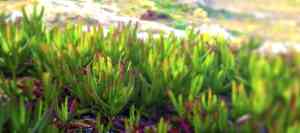
Carpobrotus edulis is recognized for its capacity to secure sandy areas and combat shoreline degradation.
2
This plant yields palatable fruit frequently incorporated into preserves and customary dishes.
3
Carpobrotus edulis offers significant environmental advantages, drawing in pollinators and sustaining local fauna.
How Does Hottentot fig Benefit the Environment?
Erosion Control and Soil Stabilization
Hottentot fig plays a crucial role in preventing coastal erosion. Its strong root system effectively binds the soil, lessening the impact of wind and water erosion. This characteristic makes it invaluable in dune stabilization projects along coastal areas globally.
Supporting Biodiversity
Beyond soil stabilization, Hottentot fig is vital for local ecosystems. It offers habitat and food sources for various wildlife, including insects, birds, and small mammals. The flowers, rich in nectar, attract a range of pollinators, thereby supporting biodiversity.
What Are the Practical Uses of Hottentot fig?
Edible Fruits and Culinary Uses
The fruits of Hottentot fig are not just edible; they are a delicacy in many coastal communities. Often used in jams, jellies, and traditional recipes, these fruits provide a tangy and unique flavor that is both treasured and nutritious.
Natural Landscaping
Due to its resilient nature and appealing look, Hottentot fig is frequently utilized in landscaping, especially in coastal gardens. Its vibrant flowers and sprawling growth habit make it an excellent ground cover, offering both aesthetic value and practical advantages.
Why Is Hottentot fig Important for Ecological Conservation?
Combating Climate Change
Hottentot fig contributes to ecological conservation efforts by enhancing carbon sequestration in coastal regions. Through photosynthesis, this plant captures and stores carbon dioxide, aiding in the fight against climate change.
Promoting Sustainable Practices
Incorporating Hottentot fig in local landscapes promotes sustainable land management practices. Its use in erosion control and as a natural ground cover reduces the need for non-native plants and chemical stabilizers, aligning with eco-friendly practices.
How Can You Cultivate Hottentot fig in Your Garden?
Ideal Growing Conditions
Hottentot fig thrives in well-drained, sandy soils typical of coastal environments. It prefers full sunlight but can tolerate partial shade. Garden enthusiasts will find that it requires minimal maintenance, making it an excellent choice for those looking to incorporate hardy plants into their green spaces.
Propagation Tips
Propagating Hottentot fig is relatively straightforward. Cuttings from mature plants can be rooted in moist sand, and seeds can be sown directly into the soil. Ensuring adequate water during the initial stages will help the plants establish themselves quickly.
Are There Any Challenges Associated with Hottentot fig?
Invasiveness and Control
While Hottentot fig offers numerous benefits, its vigorous growth can sometimes become invasive. It's important to monitor its spread, particularly in non-native regions, to prevent it from outcompeting local flora. Proper management and strategic planting can mitigate these challenges.
Balancing Ecosystems
Introducing Hottentot fig into new environments requires careful planning. Ecologists and gardeners must ensure that the plant's benefits do not overshadow the existing biodiversity. Controlled cultivation and periodic assessments can help balance these factors effectively.



