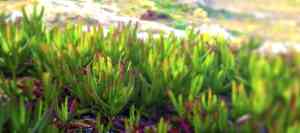
Hottentot fig (Carpobrotus edulis)
Also known as: Sour fig, Edible sourfig, cape fig
The hottentot fig (Carpobrotus edulis), also known as the highway ice plant, pigface, or sour fig, is a ground-creeping plant native to South Africa. This plant is mainly pollinated by honey bees and carpenter bees, with beetles also playing a role. While antelope and baboons enjoy its flowers, the species is invasive in regions like California and Australia. Additionally, its leaves and fruit are edible and can be used to make a tart jam.
In This Article
Attributes of Hottentot fig
Lifespan
Perennial
Plant Type
Succulent, Herb
Plant Height
3 m
Spread
60 cm to 90 cm
Leaf Color
Green
Flower Size
5 cm to 9 cm
Flower Color
Yellow Pink Gold
Images of Hottentot fig
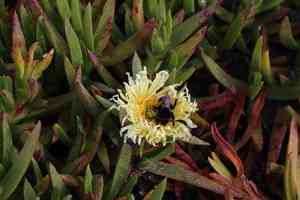
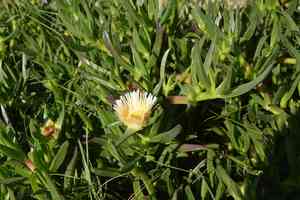
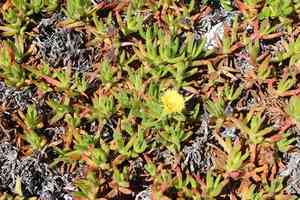
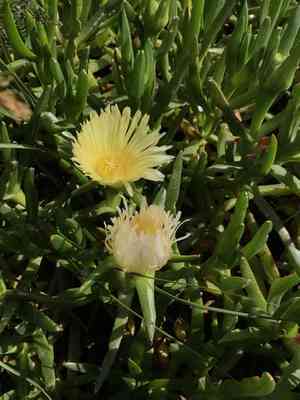
Quickly Identify Hottentot fig
1
Look for its thick, fleshy, triangular leaves and bright pink or yellow daisy-like flowers. The plant forms carpets and can cover large areas rapidly. The fruits are fig-like and edible.
Scientific Classification of Hottentot fig
Phylum
Vascular plants
Class
Dicotyledons
Order
Caryophyllales
Family
Fig-marigold
Genus
Ice plants
Species
Hottentot fig
Planting and Growing of Hottentot fig
Care Difficulty
Easy
Watering Schedule
Every 2 days
Sunlight Requirements
Full sun
Sunshine Duration
4-8 hours
Ideal Temperature
60-75℉
Soil Type
Potting Mix, Peat Mix
Soil pH
6.5-7.5
Fertilizer Type
Balanced
Pruning Season
Spring, Summer
Pruning Area
Branches, Leaves
Pruning Frequency
2 times a year
Repotting Season
Spring
Pot Type
Plastic, Ceramic
 How to Water Hottentot fig?
Carpobrotus edulis, also known as Ice Plant, requires moderate watering. The key principle is to thoroughly soak the soil and let it dry out completely before watering again. Ensure water penetrates the top 15 cm of soil for best results.
More About Watering Techniques→
What are the symptoms of an underwatered Hottentot fig?
›
What should I do if my Hottentot fig is not getting enough water?
›
What are the symptoms of an overwatered Hottentot fig?
›
How to save an overwatered Hottentot fig?
›
 What Are the Sunlight Requirements for Hottentot fig?
Carpobrotus edulis prefers full sun with ideal exposure of 6 to 8 hours daily. Consistent sunlight ensures robust growth, vibrant blooms, and enhances drought resistance and plant vigor.
More About Sunlight Requirements Techniques→
How much sun does it need?
›
What is the solution for optimal lighting?
›
What are the benefits of optimal lighting?
›
 What Is the Ideal Temperature Range for Hottentot fig?
The ideal temperature range for Carpobrotus edulis, commonly known as ice plant, is between 60°F and 75°F. This range allows for optimal growth, as the plant thrives in mild, warm climates that aren't subject to extreme temperature fluctuations. Temperatures within this range promote photosynthesis and help maintain vigorous growth and flowering.
 What Soil is Best for Hottentot fig?
Carpobrotus edulis thrives in well-drained soils that prevent waterlogging, which can harm its roots. A well-drained environment ensures the roots get enough oxygen, promoting healthy growth and vibrant foliage. While Carpobrotus edulis is not particularly fussy about soil fertility, a moderate level of nutrients is beneficial. The nutrients support robust growth, allowing the plant to develop its characteristic fleshy leaves and large flowers. This plant prefers slightly alkaline conditions with a pH close to neutral. This environment enhances nutrient uptake efficiency, giving the plant a healthier appearance and boosting its natural resistance to pests.
More About Soil→
 How to Fertilize Hottentot fig?
For Carpobrotus edulis, apply a liquid fertilizer at half strength every two weeks during the growing season. For slow-release granular fertilizers, use about 1/4 cup per plant, distributed evenly around the base. Avoid direct contact with stems or leaves to prevent burning.
 How to Prune Hottentot fig?
Start by identifying the branches that are overgrown or damaged. Use clean and sharp pruning shears to cut these branches back to the base of the plant. Focus on removing any sections that appear dead or are overcrowding other parts of the plant. Keep the cuts smooth to avoid injuring the plant. Pruning encourages a bushier growth pattern and prevents Carpobrotus edulis from overtaking surrounding plants.
 How to Propagate Hottentot fig plant?
1
Gather seeds from mature Carpobrotus edulis fruits, cleaning them to remove any pulp. Allow seeds to dry before planting, ensuring higher germination rates.
2
Use garden shears to take 4-6 inch cuttings from healthy parent plants. Remove lower leaves, and leave 2-3 leaves at the top to reduce moisture loss.
3
Plant seeds or insert cuttings into a pot filled with potting soil. Ensure that the stems are properly planted and that sufficient spacing is maintained.
 How to Repot Hottentot fig plant?
1
Carpobrotus edulis should be repotted when you notice the roots growing out of the pot’s drainage holes or the leaves appear crowded. Another sign is when the soil retains water or dries out too quickly, indicating that the plant may have outgrown its container. These signs typically align with spring or autumn, when the plant undergoes active growth, thereby minimizing repotting stress.
2
Opt for a pot that is slightly wider than the current one, with ample drainage holes at the bottom. The new pot shouldn't be too large, as a moderate size promotes healthier root growth and prevents waterlogging. Select a pot made of terracotta or ceramic to enhance breathability, ensuring the plant's roots receive adequate air circulation, especially in humid climates.
3
Choose a well-draining sandy soil, preferably with added perlite or pumice to enhance drainage. Carpobrotus edulis thrives in poor nutrient soils, so avoid overly rich mixtures. This type of soil ensures that water does not stagnate, significantly reducing the risk of root rot, a common issue with this succulent plant.



