Enhancing Your Garden Design with the Hottentot fig Plant: A Landscaping Guide
1
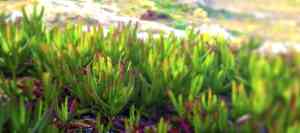
Carpobrotus edulis excels as a groundcover plant, owing to its robust growth and minimal care requirements.
2
Incorporating Carpobrotus edulis alongside other flora can yield aesthetically pleasing and environmentally advantageous outcomes.
3
Carpobrotus edulis flourishes across diverse soil compositions, allowing it to acclimate to various garden settings.
Exploring the Function of Hottentot fig in Landscape Design
Ground Cover Advantages: How Hottentot fig Safeguards and Enhances Soil
A key advantage of incorporating Hottentot fig into your landscape is its superb ground cover capabilities. Hottentot fig spreads thickly and rapidly across the ground, aiding in erosion control by shielding the soil from wind and water runoff. This dense growth also limits space for weeds, decreasing the need for herbicides and manual weeding. Furthermore, Hottentot fig provides an appealing green carpet to your outdoor space, making it both practical and visually pleasing. With less exposed soil, your garden's micro-ecosystem benefits from reduced water loss and improved soil vitality.
Aesthetic Charm: The Visual Impact of Hottentot fig in Garden Areas
Hottentot fig introduces a distinctive visual element to any garden setting. Its vibrant blossoms and lush, succulent foliage create striking contrasts and impart a tropical feel to your garden. The colorful flowers of Hottentot fig are particularly captivating, often appearing in shades from pink and purple to yellow, depending on the cultivar. When planned thoughtfully, Hottentot fig can accentuate and boost the beauty of other plants in your garden by serving as a natural backdrop. Its capacity to flourish in diverse light conditionsâfrom full sun to partial shadeâmeans it can be integrated into various parts of your landscape for year-round visual appeal.
Optimal Placement of Hottentot fig in Your Landscape
Ideal Spots for Planting Hottentot fig
Selecting the appropriate location for planting Hottentot fig is crucial for achieving peak growth and visual effect. Hottentot fig thrives in well-drained soil and sunny areas but can endure partial shade, offering versatility for various garden spots. Perfect planting sites include slopes, rocky terrains, and borders, where its spreading habit helps cover large areas efficiently. Additionally, Hottentot fig performs well in coastal gardens due to its salt tolerance, making it ideal for seaside landscaping. When evaluating a planting site, consider areas where you require soil stability and low-maintenance beauty.
Pairing Hottentot fig with Other Flora
Combining Hottentot fig with other plants can elevate your garden's aesthetic and ecological advantages. Pairing Hottentot fig with taller, structural plants like grasses or shrubs adds depth and dimension to your landscape. Choosing complementary plants with similar water and sunlight needs ensures harmonious coexistence and less intensive upkeep. For instance, Mediterranean plants and succulents make excellent companions for Hottentot fig, creating visually stunning and water-efficient gardens. Remember, the abundant foliage of Hottentot fig can act as a ground cover base layer, supporting a layered planting strategy that enhances biodiversity.
Design Recommendations for Maximizing Hottentot fig's Effect
Color Harmony with Hottentot fig
Designing your landscape with color coordination in mind can significantly boost its visual appeal. Hottentot fig offers vivid flower colors that stand out against its green foliage, creating a dynamic color scheme in your garden. To achieve a unified look, pair Hottentot fig with plants that either complement or contrast with its hues. For example, the bright pink and purple blooms of Hottentot fig can be combined with yellow or orange flowers to create a warm, inviting atmosphere. Alternatively, for a calming effect, consider matching it with cool-toned blossoms, such as blues and lavenders.
Crafting Textural Differences
Texture is a vital component in landscape design, and Hottentot fig presents a unique chance to create textural contrasts. Its succulent leaves provide a smooth, fleshy texture that pairs beautifully with the rough, coarse texture of gravel paths or stone elements. Introducing plants with diverse leaf shapes and textures, such as fern-like foliage or spiky grasses, alongside Hottentot fig can create a visually engaging and tactile garden experience. This variety in texture not only enhances aesthetic appeal but also supports a rich and diverse habitat for garden wildlife.
Maintaining Hottentot fig in the Landscape Environment
Seasonal Adjustments for Peak Growth
Like any plant, Hottentot fig requires certain seasonal adjustments to flourish in your landscape. During spring and summer, ensure sufficient watering to support its vigorous growth, especially during extended dry spells. In autumn, trimming spent flowers and overgrown sections can promote healthier growth and a neater appearance. While Hottentot fig is relatively low-maintenance, mulching around the plants can help retain moisture during dry periods and shield the roots from harsh winter conditions. Monitoring for any signs of stress or disease throughout the year ensures your Hottentot fig remains robust and thriving.
Common Issues and Simple Solutions
Despite its resilience, Hottentot fig can encounter some typical challenges, such as pests or fungal infections. Regular inspection of the plants can help detect these issues early. Utilize eco-friendly pesticides or natural remedies like neem oil to combat pests. Additionally, ensure good air circulation around the plants to prevent fungal problems. Overwatering or poor drainage can also lead to root rot. Therefore, maintaining well-drained soil and appropriate watering schedules is crucial. If parts of the plant begin to show signs of distress, prompt pruning can prevent the spread of disease and revitalize growth.
Environmentally Friendly Landscaping with Hottentot fig
Advantages of Hottentot fig in Sustainable Gardening
Hottentot fig plays a significant role in eco-friendly landscaping by contributing to soil stability and water conservation. Its extensive root system prevents soil erosion, making it a valuable plant for sustainable gardening practices. Moreover, Hottentot fig requires minimal watering once established, reducing the need for additional water resources and supporting water-wise gardening. Its natural resistance to pests and diseases also means less reliance on chemical pesticides, fostering a healthier environment. By incorporating Hottentot fig, you're not only creating a beautiful landscape but also promoting ecological balance and sustainability.
Integrating Hottentot fig into an Eco-Conscious Landscape Design
For gardeners aiming to design an eco-conscious landscape, Hottentot fig is a highly suitable choice. Integrating Hottentot fig with other drought-tolerant and native plants helps create a landscape that supports the local environment and preserves biodiversity. Utilizing organic mulches and compost enhances soil health and provides natural nutrients for Hottentot fig and its companion plants. Furthermore, designing a garden layout that mimics natural ecosystems with layered plantings and diverse species can attract beneficial insects and wildlife. By choosing Hottentot fig, you're contributing to a sustainable, resilient, and thriving ecosystem in your garden.



