How to Propagate Temple flower?
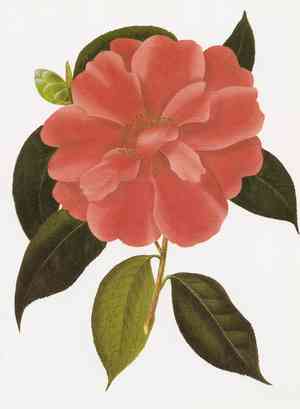
Renowned for its exquisite blooms, Plumeria can be successfully multiplied through the cutting technique, which entails choosing a robust, non-blooming stem possessing multiple leaves. Cuttings ought to be acquired with a keen, sanitized instrument to avert disease, generally employing an angled incision to enlarge the surface area for root formation. Employing rooting stimulant can encourage superior root growth. Guaranteeing elevated moisture levels and consistent warmth in the rooting medium will aid in fostering successful integration. Direct solar exposure should be bypassed to preclude the drying out of fragile cuttings.
Optimal Time for Temple Flower Propagation
Propagation Type
Cutting
Propagation Season
Autumn,Winter
Tools for Temple Flower Propagation
Sharp pruning shears
Crucial for taking cuttings from temple flower, sharp pruning shears ensure a clean cut, minimizing harm to both the parent plant and the cutting. A precise, unfringed cut enhances the cutting's ability to form roots.
Rooting hormone powder or gel
Applying a rooting hormone to the severed end of temple flower's cutting speeds up root development, boosting propagation success. This compound mimics natural plant hormones that stimulate root growth.
Sterile potting mix
Employing a sterile potting mix for temple flower cuttings prevents diseases and fungi, which could harm young plants. The mix should drain well and be light to support delicate new roots without holding too much moisture.
Propagation trays with dome lids
These trays offer a regulated environment for temple flower cuttings. Dome lids help maintain high humidity and steady temperature, vital elements for successful rooting of temple flower.
Heat mats
Placing propagation trays on heat mats can boost root growth in temple flower cuttings by providing a warm base that stimulates root development, especially crucial in colder climates or seasons.
Propagating Temple Flower Guide
Propagation Type
Moderately Difficult
Post-Propagation Care for Temple Flower
Post-Propagation Care for Temple Flower
Following propagation, gradually introduce temple flower to less humid conditions by removing the plastic cover for longer durations daily over a week. Keep the soil moist without overwatering and ensure the pot has adequate drainage. Position temple flower in a spot with bright, indirect light and shield it from direct afternoon sun. Regularly check for growth or signs of trouble, adjusting care as needed to encourage healthy development.
Common Errors to Avoid When Propagating Temple Flower
Excessive moisture
Applying too much water during temple flower's rooting process can lead to root rot, impeding healthy root development.
Insufficient humidity
Failure to maintain a humid environment for cuttings of temple flower can cause them to dry out, reducing the chances of successful root formation.
Using old or diseased plant material
Propagating temple flower with cuttings that are unhealthy or taken from older branches may decrease the likelihood of propagation success as these cuttings may have less vigor or contain pathogens.
Planting cuttings too deep
Inserting cuttings of temple flower too deeply into the propagation medium can restrict oxygen supply to the developing roots, potentially leading to damping off or poor root growth.
Ignoring sanitation
Not sterilizing tools or containers when working with temple flower can introduce diseases that compromise the cuttings and their growth.
Advice for Propagating Temple Flower
Use semi-hardwood cuttings
For temple flower, semi-hardwood cuttings taken in late summer are typically more successful at rooting compared to other types of cuttings.
Provide bottom heat
Using a heat mat to provide consistent bottom warmth can encourage quicker root formation without raising the air temperature excessively.
Utilize rooting hormone
Application of rooting hormone to temple flower cuttings can significantly increase the chances of successful root development.
Well-aerated medium
Plant temple flower cuttings in a well-draining, aerated propagation medium to facilitate proper root growth and prevent waterlogging.
Environmental control
Maintain a stable environment with controlled humidity and temperature to support temple flower's rooting process without subjecting the cuttings to stress from fluctuations.



