The Temple flower Plant Advantage: Maximizing Home and Office Appeal and Wellness
1
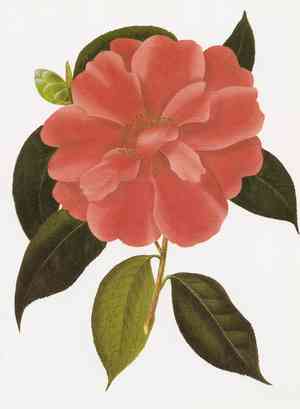
Recognized for its substantial, colorful blossoms, Plumeria offers a splendid enhancement to any outdoor space.
2
Plumeria tolerates dry conditions well, making it easy to care for and environmentally sound.
3
Cultivating Plumeria can draw in helpful pollinators such as bees and butterflies.
Why Select Plumeria for Your Outdoor Space?
Striking Visual Appeal
A primary reason gardeners opt for Plumeria is its undeniable visual charm. This plant is renowned for its large, vivid blossoms available in various hues, including reds, pinks, and whites. These eye-catching flowers can act as garden focal points and are sure to captivate anyone who sees them.
Minimal Upkeep and Environmentally Friendly
Plumeria is an excellent choice for those aiming to cultivate an eco-conscious garden. This plant tolerates drought, meaning it needs less water than many other garden species. Its low water requirements make it a sustainable option, especially in areas prone to dry spells. Furthermore, its robust nature means Plumeria demands little maintenance, freeing up gardeners' time to enjoy their outdoor areas instead of constantly tending to them.
How Does Plumeria Benefit Local Wildlife?
Attracting Pollinators
One of Plumeria's less recognized advantages is its capacity to draw in beneficial pollinators such as bees and butterflies. These pollinators are vital for healthy ecosystems as they aid in plant reproduction. By planting Plumeria, gardeners can establish a supportive environment for these crucial insects, contributing to the overall health of their local ecosystem.
Providing Shelter
Plumeria also offers refuge for various small creatures, including helpful insects and birds. The plant's dense foliage provides cover and protection, making it an essential component of a garden designed to support wildlife. These creatures, in turn, can assist in controlling pest populations, fostering a more balanced and natural garden environment.
Can Plumeria Enhance Your Garden's Sustainability?
Soil Enrichment
Another significant advantage of Plumeria is its ability to improve soil quality. Over time, the plant's fallen leaves and flowers decompose, adding organic matter to the soil. This organic material enriches the soil, enhancing its structure and fertility. Gardeners utilizing Plumeria can thus boost their soil's health without needing synthetic fertilizers.
Water Conservation
Plumeria's drought-resistant characteristic means it requires less irrigation, which can lead to substantial water savings over time. This feature is particularly advantageous in regions where water is a scarce resource. By choosing Plumeria, gardeners can decrease their water usage and contribute to preserving this vital resource, making their gardens more sustainable.
Tips for Cultivating Plumeria
Optimal Growing Conditions
Plumeria thrives best in well-draining soil and can tolerate various soil types, including sandy and loamy. It prefers a sunny or partially shaded location, offering flexibility in planting spots. Gardeners should ensure the plant receives ample sunlight to produce abundant blooms.
Fundamental Care Requirements
While Plumeria is low-maintenance, a few basic care practices can help it flourish. Regular trimming can help maintain its form and encourage more flowers. Applying mulch around the plant's base can help retain soil moisture and keep roots cool. Despite its drought tolerance, occasional deep watering can be beneficial, especially during extended dry periods.



