Enhancing Your Garden Design with the Temple flower Plant: A Landscaping Guide
1
Temple flower thrives in diverse landscape settings, offering flexibility for garden designs.
2
Strategic positioning and clustering of Temple flower can amplify its aesthetic appeal.
3
Companion plants sharing care requirements and offering varied textures can boost Temple flower's charm.
Introducing Temple Flower in Garden Design
Temple flower's aesthetic qualities overview
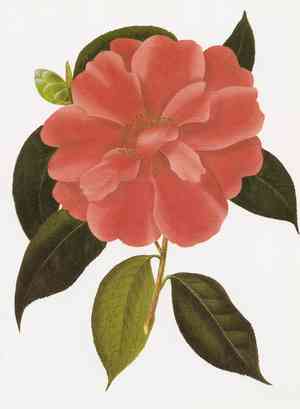
Temple flower enhances any garden with its striking blooms and shiny green leaves. Its blossoms, typically pink, red, or white, inject vibrant color into any setting. These large, vivid flowers are visually captivating and can act as central features in garden layouts. Beyond their beauty, the flowers emit a subtle scent, enriching the garden's sensory experience. Its evergreen foliage ensures Temple flower maintains its lush look all year, making it excellent for sustained visual appeal even when not in bloom.
Temple flower's versatility in various garden styles
Temple flower is highly adaptable, flourishing in diverse garden environments, from structured to naturalistic. Whether used as a solitary specimen, within mixed borders, or as part of a larger landscape scheme, it complements various designs and arrangements. Its capacity to thrive in different soil types and conditions makes it an ideal plant for both novice and seasoned gardeners. This flexibility means Temple flower can be integrated into nearly any landscape plan effectively, bringing beauty and interest across many contexts.
Optimal Siting of Temple Flower in Your Garden
Assessing Temple flower's light and shade requirements
For optimal growth, Temple flower needs a balance of sun and shade. Ideally, it should be situated where it receives morning sun and afternoon shade. Excessive direct sunlight can scorch its leaves, while too much shade may reduce flowering. Providing the correct light exposure helps Temple flower develop its characteristic dense foliage and abundant blooms. Additionally, placing Temple flower in a sheltered spot protects it from strong winds, which can harm its delicate flowers and leaves.
Considering spacing and grouping for visual impact
When planting Temple flower, proper spacing is crucial to allow each plant ample room to grow and thrive. Typically, Temple flower should be spaced approximately 3-6 feet apart, depending on the specific cultivar and the desired landscape effect. Arranging Temple flower in clusters can create a strong visual statement, especially when the plants are in full bloom. For a more dramatic effect, consider interspersing Temple flower with other plants of varying heights and textures to add depth and dimension to your garden design. This approach not only highlights Temple flower's beauty but also contributes to a more dynamic and engaging landscape.
Companion Plants for Temple Flower
Selecting plants with compatible growth needs
When choosing companion plants for Temple flower, it's vital to select species with similar cultivation requirements. Plants that flourish under comparable light, soil, and moisture conditions will ensure harmonious growth and easier maintenance. Azaleas and rhododendrons are excellent partners for Temple flower, as they prefer slightly acidic soil and partial shade. Furthermore, ferns and hostas can be great companions due to their preference for similar environmental conditions. By pairing Temple flower with these plants, you can establish a cohesive and flourishing garden ecosystem.
Color and texture pairings that complement Temple flower
Combining Temple flower with plants that offer contrasting colors and textures can significantly enhance your garden's visual appeal. The bold, bright flowers of Temple flower pair beautifully with the delicate fronds of ferns or the broad, textured leaves of hostas. For a captivating display, consider incorporating evergreen shrubs or ground covers that provide a greener backdrop, accentuating the vibrant hues of Temple flower's blossoms. Integrating plants with different bloom times can also ensure your garden remains interesting throughout the year, with Temple flower offering a seasonal highlight.
Seasonal Care for Temple Flower in Your Landscape
Anticipating changes across seasons
Throughout the year, Temple flower presents a dynamic display. In spring, it bursts into full bloom, showcasing its remarkable flowers and creating a stunning visual spectacle. During summer, Temple flower may continue to produce sporadic blooms, adding ongoing interest to your garden. In autumn, the plant's evergreen leaves remain lush, even as other plants begin to shed their foliage. Winter months might see less floral activity, but Temple flower's sturdy, green leaves can still provide visual comfort when most other plants are dormant.
Preparing Temple flower for seasonal transitions
To ensure Temple flower remains healthy and vibrant year-round, it's important to prepare it for seasonal changes. In fall, apply a layer of mulch around the base to insulate roots and retain moisture during colder periods. Pruning dead or damaged branches can also encourage new growth and refine the plant's shape. During winter, especially in very cold regions, consider providing protection like burlap wraps to shield Temple flower from frost damage. By addressing these seasonal needs, you can enjoy Temple flower's beauty throughout the year.



