How to Propagate Carambola?
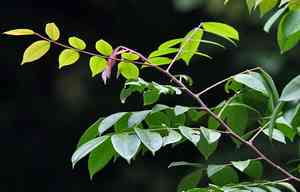
The Carambola, a tropical fruit tree, is prized for its star-shaped fruit and ornamental leaves. It is frequently propagated through grafting, a method that enables cultivators to preserve the specific traits of a chosen cultivar. When performing carambola grafting, select a robust rootstock and a scion from an established, fruit-producing tree to achieve optimal outcomes. The grafted area must be diligently safeguarded and tended until the bond is secure. Diligent attention during the initial period is vital for the plant's successful integration.
When Is the Optimal Time to Propagate Carambola?
Propagation Method
Grafting
Propagation Period
Spring,Winter
What Implements Are Utilized in Carambola Propagation?
Grafting Knife
A keen and accurate grafting knife is essential for making clean incisions on the scion and rootstock of carambola. Precise cuts help ensure a successful graft by fostering superior contact and fusion between the grafted components. The blade should be kept sterile to prevent the introduction of pathogens during grafting.
Grafting Tape or Strips
These are employed to secure the scion and rootstock of carambola firmly together post-grafting. The tape or strips must be pliable and robust to offer ample support while allowing the graft to mend. It is crucial that they are also weather-resistant to endure external conditions as the graft heals.
Rootstock
Choosing robust and compatible rootstock for carambola is critical as it significantly impacts the growth, yield, and overall health of the grafted plant. The rootstock should be disease-resistant and well-suited to the local soil and climate to ensure the best start for the grafted plant.
Disinfectant Solution
Employing a disinfectant solution to cleanse all tools before and after grafting carambola helps prevent the spread of diseases. This step is vital for maintaining the plant's health during the delicate phase of propagation.
Pruning Shears
Used for preparing the rootstock and potentially trimming the scion of carambola prior to grafting. Pruning shears must be sharp and clean to make accurate cuts without harming the plant tissues, which can negatively affect the success of the grafting process.
How to Propagate Carambola?
Propagation Difficulty
Moderately Difficult
How to Care for Your Newly Propagated Carambola?
How to Care for Your Newly Propagated Carambola?
Once the graft has healed and new growth is apparent, gradually expose carambola to increased light. Continue providing consistent moisture, and begin regular fertilization with a balanced fertilizer every 2-3 months. Monitor for pests and diseases frequently, especially around the graft union. Support the grafted plant with a stake if needed to ensure stability as it develops.
Common Errors to Avoid When Propagating Carambola
Overwatering cuttings
Keep the soil moist but not saturated to prevent decay.
Incorrect cutting selection
Select healthy, non-flowering shoots for improved rooting potential.
Neglecting hygiene
Utilize sterilized tools and containers to minimize disease transmission.
Insufficient lighting
Provide bright, indirect light to encourage growth without scorching the cuttings.
Lack of humidity
Maintain high humidity around the cuttings without making them wet, which is crucial for their survival.
Planting cuttings too deep
Insert cuttings shallowly so that they can easily form roots without the risk of being buried and rotting.
Neglecting aftercare
Monitor the cuttings for water requirements and signs of growth, as neglect can lead to failure.
Tips For Propagating Carambola
Healthy parent plant
Ensure the parent carambola plant is robust and disease-free to provide the best start for cuttings.
Correct soil mix
Use a well-draining soil mixture to prevent waterlogging and encourage healthy root development.
Right size of cuttings
Cuttings should be 4-6 inches long with several leaves for optimal growth.
Watering technique
Water cuttings with a gentle spray to keep the soil moist without disturbing the developing roots.
Use of rooting hormone
Dip the cutting end in rooting hormone to enhance root formation and improve success rates.
Adequate light and warmth
Provide sufficient light and warmth, but avoid direct sunlight that could damage the cuttings.
Patience
Allow carambola time to establish roots before transplanting to prevent shock and ensure better survival.



