How to Propagate Persian onion?
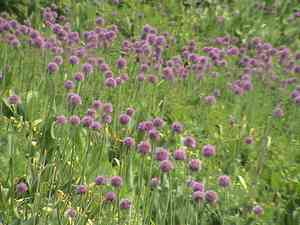
Persian onion flourishes when reproduced via its underground storage organs. For optimal development, embed the tubers in soil that drains effectively, ideally enhanced with organic material to feed the emerging vegetation. The tubers ought to be positioned at a sufficient depth for coverage while still allowing for effortless sprouting. Consistent irrigation and ample sunlight assist persian onion in becoming established and thriving, but prevent excessive moisture to avert decay. Upon reaching maturity, these specimens can be excavated and separated to facilitate additional propagation, thereby supporting their dissemination and sustained vitality within your landscape.
When Is the Optimal Time to Propagate Persian Onion?
Propagation Method
UseTheTubers
Propagation Period
Spring
What Tools Are Utilized for Persian Onion Propagation?
Trowel
A trowel is vital for digging and working with soil during the planting of persian onion's tubers. Its slender blade allows for precise control, ideal for creating small holes or trenches for tuber placement without significantly disturbing surrounding soil. This aids in positioning tubers at the perfect depth for optimal growth and prevents tuber damage.
Watering Can with a Fine Rose
This implement is crucial for delivering a gentle and uniform water distribution, essential for freshly planted persian onion tubers. The fine rose attachment on the watering can prevents the water's force from dislodging or harming the tubers and helps maintain consistent soil moisture, which is vital for initiating root development in the propagation process.
Gardening Gloves
These safeguard the propagator's hands from dirt, potential skin irritants in the soil, and any sharp edges of tubers or other debris. For persian onion, gardening gloves also assist in safely handling tubers without risking damage from direct contact.
Label and Marker
Labels and markers are indispensable for tracking and organizing various batches of planted tubers, especially when testing different conditions or experimental approaches. For persian onion, which might be propagated at various times or in diverse soil conditions, labeled markers help monitor growth stages and performance effectively.
Garden Fork
Used for initial soil aeration, a garden fork helps prepare the planting area for persian onion's tubers. Its tines enable thorough soil loosening, which improves soil structure and drainageâa critical factor in preventing tuber rot and promoting healthy root development.
How to Propagate Persian Onion?
Propagation Type
Easy
How to Nurture Your Newly Propagated Persian Onion?
How to Nurture Your Newly Propagated Persian Onion?
Persian onion requires ample sunlight and well-draining soil to flourish. After propagation, maintain consistent watering to keep the soil moist, especially in dry conditions. Decrease watering frequency as the plant matures. Mulching can help retain soil moisture and suppress weeds. Remove spent blooms if necessary to encourage more vigorous growth and flowering in the subsequent season.
Common Errors to Avoid When Propagating Persian Onion
Overcrowding bulbs
Planting persian onion's bulbs too closely can lead to competition for nutrients and space, hindering their growth and diminishing the overall bloom quality.
Waterlogging
Excessive watering can cause persian onion bulbs to rot. Well-drained soil is crucial to prevent this issue, which can otherwise result in poor plant health and a reduced survival rate.
Ignoring soil quality
Using poor or unsuitable soil for persian onion can negatively impact bulb development and flowering. Bulbs thrive in fertile, well-drained soil, and neglecting this can lead to weak plants.
Advice For Propagating Persian Onion
Proper spacing
Ensure persian onion bulbs are adequately spaced to provide each plant sufficient room to thrive. This promotes healthier growth and a more robust bloom display.
Adequate drainage
Plant persian onion's bulbs in well-drained soil to prevent waterlogging and bulb rot. If the planting site has poor drainage, consider raised beds or containers.
Fertile soil
Incorporate compost or a balanced slow-release fertilizer into the soil when planting persian onion bulbs. This supplies essential nutrients and supports vigorous growth and blooming.



