The Persian onion Plant Advantage: Maximizing Home and Office Appeal and Wellness
1
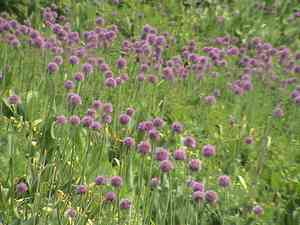
Allium aflatunense is recognized for its striking purple blooms that introduce a vibrant hue to any landscape.
2
This species is simple to cultivate and needs little upkeep after it has settled in.
3
It has the ability to draw helpful pollinators such as bees and butterflies into your outdoor space.
What Are the Visual Advantages of Cultivating Persian onion?
Vivid Blossoms
A prominent characteristic of Persian onion is its striking purple flowers, which appear from late spring to early summer. These spherical flower clusters can grow up to four inches across, creating a stunning focal point in gardens. Their rich hue complements other flora and offers a pleasing contrast with green foliage, making them a favorite among landscape designers.
Enduring Appeal
Another visual benefit of Persian onion is its lasting beauty. The flowers not only retain their color well throughout the blooming period but also gracefully transform into attractive seed heads that provide visual interest even after the blossoms have faded. This extended period of attractiveness makes Persian onion a valuable addition to any perennial garden.
How Does Persian onion Enhance Your Garden's Natural System?
Attracting Pollinators
Pollinators are vital for maintaining garden health and productivity. Persian onion is particularly effective at drawing in various beneficial pollinators, including bees and butterflies. Its flowers are rich in nectar and pollen, offering a reliable food source for these insects, which in turn aids in the pollination of other plants in the garden.
Fostering Biodiversity
By drawing in pollinators, Persian onion indirectly supports a more diverse garden environment. A thriving pollinator population contributes to the successful reproduction of many plant species, leading to a richer and more varied garden. This biodiversity is crucial for creating a resilient garden that can better resist pests and diseases.
Why is Persian onion a Practical Option for Gardeners?
Minimal Upkeep Requirements
Persian onion is known for its low maintenance needs, making it an excellent choice for both new and experienced gardeners. Once established, it requires little care, thriving in various soil conditions and enduring dry spells. This hardiness means gardeners can enjoy the plant's benefits without a significant time commitment.
Adaptability in Garden Layout
Beyond its low maintenance, Persian onion offers flexibility in garden design. It can be effectively used in borders, rock gardens, and even containers, making it a versatile addition to any garden plan. Its tall, slender stems also make it a great option for adding vertical interest and creating depth in garden beds.
How Can You Incorporate Persian onion into Your Garden?
Selecting the Optimal Spot
To maximize the advantages of Persian onion, it's crucial to choose the right planting location. This plant thrives in full sun to partial shade and prefers well-drained soil. Gardeners should consider placing it where its vibrant blooms can be highlighted and where it will receive ample sunlight throughout the day.
Companion Planting Strategies
Integrating Persian onion with other plants can boost its visual appeal and practical benefits. Companion planting with other perennials like Echinacea, Salvia, or ornamental grasses can create a dynamic garden display. These plants complement Persian onion not only aesthetically but also in fostering a balanced ecosystem that supports diverse wildlife.
What Are Some Tips for Caring for Persian onion?
Watering and Fertilizing
While Persian onion is drought-tolerant, consistent watering will encourage healthier growth and more abundant blooms. During extended dry periods, supplementary irrigation can help maintain the plant's vigor. Additionally, applying a balanced, slow-release fertilizer in early spring can provide the necessary nutrients for robust growth throughout the season.
Managing Pests and Diseases
Although Persian onion is generally resistant to pests and diseases, occasional issues can arise. Monitoring for common problems like aphids or fungal infections and addressing them promptly can prevent more serious issues. Implementing good cultural practices, such as proper spacing and avoiding overhead watering, can also reduce the likelihood of pest and disease problems.



