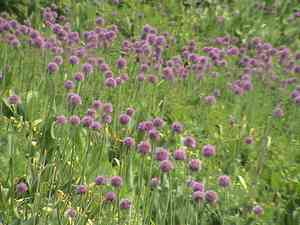
Persian onion (Allium aflatunense)
Also known as: Ornamental Onion, Giant Onion
Allium aflatunense is a bulbous perennial that reaches a height of around 36 inches (90 cm). It features basal, strap-like leaves and hollow, slightly ribbed flower stems. The plant is notable for its dense, globe-shaped flower clusters, which are approximately 10 cm in diameter and composed of numerous star-shaped, purplish-pink blooms. It typically blooms in late spring to early summer, with seeds maturing in the summer. This ornamental onion is often available for purchase as bulbs.
In This Article
Attributes of Persian onion
Lifespan
Perennial
Plant Type
Herb
Plant Height
90 cm
Spread
20 cm
Leaf Color
Green
Flower Size
4-5 inches (10-12 cm)
Flower Color
Purple Pink
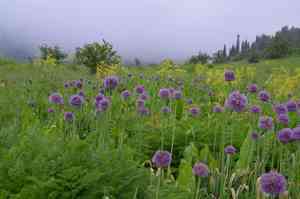
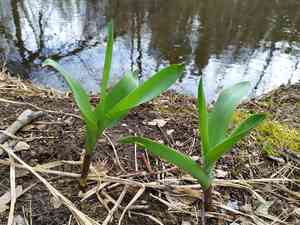
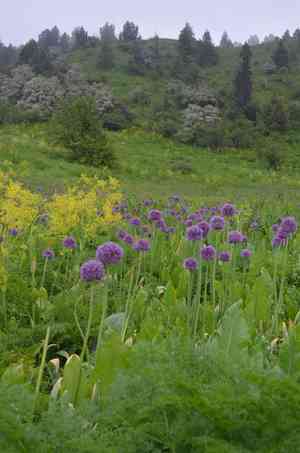
Images of Persian onion
Quickly Identify Persian onion
1
Basal rosette of strap-like green leaves, up to 12 inches (30 cm) long.
2
Erect leafless stems, 2-3 feet (60-90 cm) tall, smooth and hollow with distinct ribbing.
3
Striking spherical clusters of small purple star-shaped flowers with onion-like aroma.
4
Flowers in clusters 4-5 inches (10-13 cm) across, vibrant for 2-3 weeks.
5
Distinctive scent resembling garlic or onions, popular cut flower for unique aroma.
Scientific Classification of Persian onion
Phylum
Vascular plants
Class
Monocotyledons
Order
Asparagales
Family
Amaryllis
Genus
Onions
Species
Persian onion
Planting and Growing of Persian onion
Care Difficulty
Easy
Watering Schedule
Every 2 days
Sunlight Requirements
Full sun
Sunshine Duration
4-8 hours
Ideal Temperature
60-70℉
Soil Type
Potting Mix, Peat Mix
Soil pH
6.5-7.5
Fertilizer Type
Balanced
Pruning Season
Spring, Summer
Pruning Area
Branches, Leaves
Pruning Frequency
2 times a year
Repotting Season
Spring
Pot Type
Plastic, Terracotta
 How to Water Persian onion?
Allium aflatunense appreciates a moderate amount of water, roughly 250 ml per watering. The key is to keep the soil moist but not waterlogged. You should aim to water until the top inch of the soil feels slightly damp but not soggy.
What are the symptoms of an underwatered Persian onion?
›
What should I do if my Persian onion is not getting enough water?
›
What are the symptoms of an overwatered Persian onion?
›
How to save an overwatered Persian onion?
›
 What Are the Sunlight Requirements for Persian onion?
Allium aflatunense thrives best in full to partial sunlight, totaling 4 to 6 hours daily. This balance optimizes growth rates, flowering capabilities, and visual richness throughout the growing season.
Optimal Amount of Sunlight
›
How to Maximize Light Exposure
›
Benefits of Ideal Lighting
›
 What Is the Ideal Temperature Range for Persian onion?
The ideal temperature range for Allium aflatunense, also known as ornamental onion, is between 60 and 70 degrees Fahrenheit. This range ensures optimal growth and flowering. The plant thrives in mild climates where the temperature is neither too hot nor too cold, allowing its vibrant purple blooms to shine in full glory.
 What Soil is Best for Persian onion?
Allium aflatunense thrives in soil with good moisture retention, which ensures that the roots have access to water over an extended period. This ability to trap moisture helps the plant remain hydrated without requiring constant watering, making it easier to manage in the garden. A nutrient-rich soil is essential for Allium aflatunense as it facilitates healthy growth and vibrant floral displays. Providing ample nutrients ensures the plant develops sturdy stems, lush leaves, and abundant flowers, enhancing its overall appeal. This plant requires a soil structure that offers excellent drainage, preventing waterlogging which can lead to root rot. Well-drained soil allows for proper air circulation around the roots, promoting a healthy root system.
 How to Fertilize Persian onion?
Allium aflatunense, known for its stunning ornamental flowers, requires a balanced amount of fertilizer to thrive. Use a balanced 10-10-10 liquid fertilizer at a rate of 1/2 teaspoon per gallon of water during the growing season. Over-fertilizing can lead to burnt roots, so it’s crucial to stick to the recommended amount.
 How to Prune Persian onion?
To begin pruning Allium aflatunense, wait until the blooms start to fade. Use sharp scissors or secateurs to carefully snip off the spent flower heads to redirect energy to the bulbs. Do not remove the green leaves until they have turned brown and withered, as they are still photosynthesizing, which is vital for bulb development. While pruning, be cautious not to disturb the bulbs. If bulbs become exposed due to soil erosion or gardening, gently cover them with soil without pressing down hard. Protecting bulbs is essential for ensuring a healthy comeback in the next growing season.
 How to Propagate Persian onion plant?
1
Choose a mature and healthy Allium aflatunense plant, which shows no signs of disease or pest infestation, to ensure successful propagation.
2
Carefully dig around the Allium aflatunense plant using a garden spade to expose the bulbs. Gently lift the bulbs and separate them from the parent plant.
3
Replant the separated bulbs in well-draining soil at the same depth they were previously growing. Water them thoroughly to help settle the soil around the bulbs.
 How to Repot Persian onion plant?
1
Allium aflatunense, commonly known as ornamental onion, should be repotted when you notice signs like overcrowded roots peeking out from drainage holes, reduced flowering, or yellowing leaves. The ideal time to repot is in early spring before active growth begins, allowing the plant to settle into its new environment during the upcoming growth period.
2
When selecting a new pot for Allium aflatunense, ensure it's just one size larger than the current one to prevent excessive soil moisture. The pot should have adequate drainage holes to prevent waterlogging, which is crucial for preventing root rot. Using a pot with these characteristics ensures healthy root development and robust growth.
3
Opt for a well-drained, sandy loam soil for repotting Allium aflatunense. This type of soil offers excellent drainage to prevent waterlogging, while retaining enough moisture to support the plant's needs. Additionally, it provides the necessary nutrients to encourage strong bulb development and prolific flowering.
Toxicity
Ingestion
WARNING
The judgment on toxicity and danger is for reference only. We DO NOT GUARANTEE any accuracy of such judgment. Therefore, you SHALL NOT rely on such judgment. It is IMPORTANT TO SEEK PROFESSIONAL ADVICE in advance when necessary.



