How to Propagate Butterfly orchid?
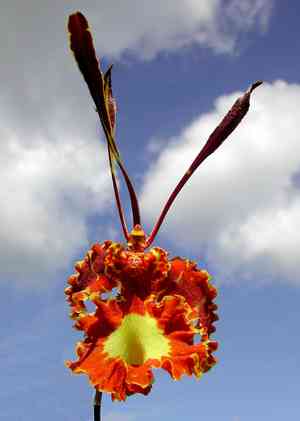
The butterfly orchid, an exceptional epiphytic variety, fascinates observers with its striking likeness to tropical butterflies in mid-flight. To propagate this orchid, enthusiasts typically separate its pseudobulbs, making sure each segment possesses at least one growth point. This technique ensures a direct genetic replication of the parent butterfly orchid. Gentle manipulation is essential, as the fragile root system requires careful handling to prevent harm. Following separation, a highly porous potting substrate, usually a mix of bark and sphagnum moss, facilitates successful rooting by mimicking the airy conditions of the butterfly orchid's native arboreal environment. Regular yet controlled irrigation after propagation stimulates root formation while mitigating the danger of decay.
When Is the Best Time to Propagate Butterfly Orchid?
Propagation Method
Utilize The Tubers
Propagation Period
Spring
What Tools Are Used for Butterfly Orchid Propagation?
Sharp sterilized knife or scissors
These are vital for cleanly separating tubers from the parent butterfly orchid plant. A sharp, sterile blade ensures a precise cut, minimizing harm to both the tuber and the parent plant, thereby reducing disease risk and plant stress.
Rooting hormone
Applying a rooting hormone to the cut surfaces of butterfly orchid tubers can significantly boost root development. This encourages faster establishment and healthier growth by stimulating root cell division and increasing propagation success.
Well-draining potting mix
A potting mix that offers excellent drainage is crucial for successful butterfly orchid tuber propagation. This soil type ensures optimal moisture levels for root growth without waterlogging, which can lead to rot and fungal issues.
Pots with drainage holes
These pots are essential for housing each butterfly orchid tuber. They must have sufficient drainage holes to prevent water accumulation at the base. This is critical for preventing root rot and ensuring the delicate new roots of butterfly orchid can breathe and develop effectively.
Heat mats
These mats are frequently used to provide a consistent, suitable temperature that stimulates new root growth from butterfly orchid tubers. Maintaining an optimal temperature range is crucial for encouraging vigorous, healthy development during early propagation stages.
Humidity domes
These covers can be placed over pots to help maintain high humidity levels around newly planted butterfly orchid tubers. Humidity domes aid in creating a microenvironment with adequate moisture, which is vital for new shoots to thrive.
How to Care for Your Newly Propagated Butterfly Orchid?
How to Care for Your Newly Propagated Butterfly Orchid?
Post-propagation, butterfly orchid requires consistent attention to flourish. Maintain high humidity, ideally 50-70%, and provide moderate indirect sunlight. Water butterfly orchid when the top inch of potting medium feels dry, and fertilize monthly with a balanced orchid fertilizer. Regularly check for pests and diseases, especially signs of root rot or leaf spot. Adjust environmental conditions and care routines as needed for optimal growth.
Common Mistakes to Avoid When Propagating Butterfly Orchid
Overwatering
Excessive water can cause root rot, which is harmful to butterfly orchid. These orchids need a well-draining medium to prevent waterlogged conditions.
Incorrect Medium
Using a potting mix that is too dense can suffocate the roots of butterfly orchid. Orchids require airy substrates to thrive.
Inadequate Humidity
Not providing butterfly orchid with appropriate humidity levels can lead to dehydration, as this species thrives in a humid environment mimicking its natural habitat.
Neglecting Health of the Mother Plant
Attempting to propagate a weak or unhealthy butterfly orchid can result in poor outcomes. A healthy parent plant is fundamental for successful propagation.
Damaging the Pseudobulbs
Rough handling or improper division of pseudobulbs can harm butterfly orchid, compromising its ability to grow and develop correctly.
Tips For Propagating Butterfly Orchid
Healthy Plant Selection
Ensure the parent butterfly orchid is robust and thriving to increase the chances of successful propagation.
Sterile Equipment
Use sanitized tools to divide pseudobulbs to prevent disease transmission to butterfly orchid.
Appropriate Medium
Plant butterfly orchid divisions in a suitable orchid mix that allows for good air circulation and drainage.
Adequate Moisture
Maintain consistent hydration without overwatering to support new growth of butterfly orchid without causing rot.
Humidity Control
Provide butterfly orchid with sufficient humidity by using humidity trays or a humidifier to create a supportive growth environment.



