Enhancing Your Garden Design with the Toad lily Plant: A Landscaping Guide
1
Toad lily flourishes in areas with partial to complete shade, ideal for challenging low-light garden locations.
2
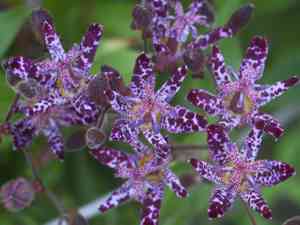
This botanical specimen offers distinctive, subtle charm through its elaborately marked blossoms, ensuring it's a prominent element in any garden design.
3
Toad lily draws in beneficial insects, contributing to the preservation of local ecological variety.
Introducing Toad Lily to Your Landscape
Understanding the unique beauty Toad lily brings to your garden.
Gardeners frequently seek out plants that offer something distinct and special. Toad lily perfectly fits this description with its unusual flowers and vigorous growth. The plant is notable for its exquisite, orchid-like blooms that feature intricate spots and patterns. These flowers, often in shades of purple, white, and pink, can add an exotic touch to your garden. When used thoughtfully, Toad lily can serve as a focal point, drawing the eye and adding textural variety to your garden landscape.
Brief overview of Toad lily's appearance and growth habits.
Toad lily is a herbaceous perennial that typically grows to about 2 to 3 feet tall. It features arching, hairy stems and lance-shaped leaves that add to its visual appeal. The flowers usually bloom from late summer to early fall, ensuring your garden has color and vibrancy during this period. Its clumping habit makes it perfect for creating dense groupings that can fill out a shady border or woodland garden.
Optimal Placement for Toad Lily in Your Landscape
Analyzing light and soil requirements.
Toad lily is well-suited for areas that receive partial to full shade, preferring environments that mimic the dappled light conditions of forest floors. The plant thrives best in moist, well-drained soil enriched with organic matter. Avoid planting it in overly dry or waterlogged conditions, as these can negatively impact its growth.
Ideal locations for aesthetic appeal and plant vitality.
When planning where to place Toad lily in your garden, consider locations like the northern or eastern sides of buildings or under tall trees. These spots typically offer the shade and cooler temperatures the plant prefers. Additionally, positioning Toad lily in groups along garden borders or within a woodland-themed section can maximize its visual impact and ensure it receives the appropriate light and soil conditions.
Companion plants that complement Toad lily.
Toad lily pairs beautifully with other shade-loving plants such as hostas, ferns, and astilbes. These companions not only complement Toad lily's delicate flowers with their varied leaf textures and colors but also thrive in similar environmental conditions. Mixing these plants can create a lush, diverse, and vibrant landscape that remains engaging throughout the growing season.
Designing With Toad Lily: Creative Concepts
Incorporating Toad lily into perennial borders.
Perennial borders benefit immensely from the inclusion of Toad lily. The plant's unique flowers can add a touch of exoticism and surprise, breaking the monotony of traditional border plants. Consider planting Toad lily in the middle to back sections of borders where it can stand tall and be admired up close.
Using Toad lily in themed gardens (e.g., woodlands, modern).
Toad lily is a versatile addition to themed gardens. In woodland gardens, it complements the natural, untamed aesthetic with its resemblance to wild orchids. For modern gardens, Toad lily's distinctive and elegant flowers offer a juxtaposition to sleek, architectural plants, providing a blend of contemporary and natural styles.
Unique planting ideas for visual impact.
For a striking visual effect, consider planting Toad lily in mass groupings or as part of a mixed-shade garden bed. Combining it with plants that have contrasting foliage colors, such as dark-leaved heucheras or variegated hostas, can enhance its visual appeal. Alternatively, use Toad lily as an underplanting for taller shrubs or small trees to create layered garden beds with depth and texture.
Seasonal Considerations for Toad Lily
Best seasons for planting and peak visual interest.
Spring is the ideal time to plant Toad lily, allowing it to establish itself before the heat of summer. The plant reaches its peak visual interest in late summer to early fall when its flowers are in full bloom. This timing can provide a much-needed burst of color when other plants may be starting to fade.
Year-round care tips to maintain landscape aesthetics.
To keep Toad lily healthy and visually appealing year-round, ensure it has consistent moisture, particularly during dry spells. Mulching around the base can help retain soil moisture and suppress weeds. In the fall, cut back the plant to ground level once the foliage dies back, which helps in maintaining a tidy garden and encourages new growth in the spring. Regularly check for pests and diseases to address any issues promptly.
Environmental Benefits of Including Toad Lily in Your Garden
Attracting local wildlife, including pollinators.
Toad lily is a magnet for pollinators such as bees and butterflies, providing a valuable nectar source late in the growing season. By attracting these beneficial insects, Toad lily helps enhance the ecological health of your garden.
Contribution to biodiversity and sustainable practice.
Including Toad lily in your garden supports biodiversity by providing habitat and food sources for various wildlife. Its presence can make your garden a small but meaningful part of the larger effort to maintain and support ecological balance. Additionally, because Toad lily thrives in shaded areas, it allows for more efficient use of garden space and contributes to sustainable gardening practices by making the most of less hospitable growing conditions.



