Enhancing Your Garden Design with the Indian sedum Plant: A Landscaping Guide
1
Indian sedum is incredibly adaptable, fitting well into diverse garden designs, including rockeries and modern settings.
2
Selecting an appropriate site with adequate light and ground conditions is essential for Indian sedum's robust development.
3
Adding Indian sedum to your garden can draw in pollinators, foster ecological variety, and boost real estate worth.
Introducing Indian Sedum in Landscape Design
Appreciating the Visual Charm of Indian Sedum in Gardens
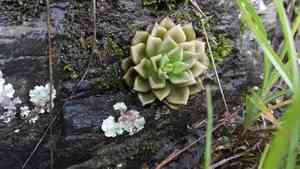
The visual allure of Indian sedum stems from its distinct look and adaptability. Its striking rosette formations and compact stature make it a delightful addition to any garden. The textured foliage and vivid hues of Indian sedum can establish focal points in any landscape scheme, distinguishing it from more common garden flora. Whether you prefer a minimalist aesthetic or a more eclectic style, Indian sedum can introduce an element of surprise and refinement to your outdoor area.
Indian Sedum's Adaptability Across Diverse Landscape Styles
A key advantage of Indian sedum is its flexibility. This plant integrates smoothly into various landscaping designs, including rock gardens, contemporary minimalist layouts, and classic cottage gardens. Its adaptability renders it suitable for a broad spectrum of environments, from rustic stone arrangements to sleek, modern designs. Indian sedum can function as both a prominent feature and a complementary plant, easily conforming to your landscape's aesthetic demands.
Selecting the Optimal Site for Indian Sedum
Evaluating Sunlight and Shade Requirements
Ensuring proper light conditions for Indian sedum is vital. Generally, this plant flourishes in areas with abundant sunlight, though it can endure partial shade. When planning your garden layout, aim to position Indian sedum in spots receiving at least six hours of daily sunlight. Shadier locations might impact its growth and color, so understanding Indian sedum's light needs helps in choosing its ideal placement.
Considerations for Soil Composition and Drainage
Another crucial aspect is soil quality and water drainage. Indian sedum favors well-draining soil with good aeration to prevent waterlogging, which can lead to root decay. Opt for gritty or sandy soil types, as these typically offer superior drainage. You might also consider incorporating organic matter to boost soil fertility and support healthier development.
Incorporating Indian Sedum into Existing Garden Designs
Integrating Indian sedum into your current landscape need not be complex. The plant's small size and distinctive appearance make it an excellent choice for filling gaps in rockeries, lining pathways, or even creating low-maintenance borders. Its adaptability means you can readily combine it with various other plants, fostering a harmonious and unified garden aesthetic.
Design Concepts Utilizing Indian Sedum
Integrating Indian Sedum into Rock Gardens
Rock gardens are perfect for showcasing Indian sedum due to the plant's natural preference for well-drained, rocky soil. When nestled among stones and gravel, Indian sedum retains its structural integrity while adding a burst of color and texture. It can also be used to soften harsh edges and create a more natural, cohesive appearance.
Employing Indian Sedum as Ground Cover or Edging Plants
Indian sedum can serve as an attractive ground cover, forming a dense and appealing carpet of foliage. Its low-growing habit makes it ideal for bordering paths and flower beds, providing a neat and orderly look. The plant's gradual spreading ensures it fills spaces effectively without becoming overwhelming.
Innovative Placements: Walls, Terraces, and Borders
For those keen on experimenting with vertical gardening, Indian sedum offers excellent possibilities. Its capacity to root in shallow soil makes it suitable for wall and terrace plantings. Additionally, Indian sedum can be positioned along borders to delineate different garden zones or even used in container arrangements to add depth and visual interest.
Maintenance Guidelines for Indian Sedum in a Landscape Setting
Routine Care and Watering Practices
Maintaining Indian sedum is relatively straightforward, but some consistent care is necessary. Water the plant sparingly, ensuring the soil is dry between watering sessions to avoid overwateringâa common error. Furthermore, regularly removing dead leaves or stems helps keep Indian sedum looking fresh and vibrant.
Seasonal Considerations for Optimal Growth
While Indian sedum is a resilient plant, seasonal shifts can affect its development. During winter, ensure the plant is shielded from frost, either by moving it indoors or covering it with mulch. In summer, be mindful of excessive exposure to intense sunlight and ensure the soil remains adequately moist without becoming waterlogged. By adjusting your care routine seasonally, you can ensure Indian sedum remains a flourishing component of your landscape year-round.
Advantages of Incorporating Indian Sedum in Your Garden
Ecological Benefits: Attracting Pollinators and Supporting Biodiversity
Beyond its visual appeal, Indian sedum provides several ecological advantages. The plant draws various pollinators, such as bees and butterflies, which are vital for maintaining your garden ecosystem's balance. By supporting pollinators, you also foster biodiversity and help sustain local wildlife.
Low Maintenance Appeal and Drought Resistance
One of Indian sedum's most valued traits is its minimal maintenance requirements. It is a drought-tolerant plant, making it an excellent choice for xeriscaping or gardens in areas prone to dry spells. This resilience ensures Indian sedum remains attractive and healthy with little effort on your part.
Boosting Property Value Through Distinctive Landscaping Elements
Integrating unique and captivating plants like Indian sedum into your landscape can significantly enhance your property's overall appeal and worth. A beautifully designed garden with distinctive features not only adds aesthetic value but also attracts potential buyers should you ever decide to sell your home. The uniqueness of Indian sedum makes it a standout element that can differentiate your property from others.



