The Indian sedum Plant Advantage: Maximizing Home and Office Appeal and Wellness
1
Indian sedum requires minimal care, perfect for those with limited time.
2
Indian sedum can improve the visual attractiveness of your outdoor space.
3
This plant aids in preventing soil erosion and maintaining ground stability.
What Makes Indian Sedum Unique?
Distinctive Visual Characteristics
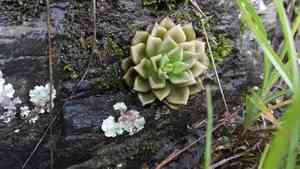
Indian sedum offers a singular combination of hues and textures, capable of imparting a striking aesthetic to any garden. Its fleshy, dark green leaf rosettes often acquire a purplish tint when exposed to sunlight, creating an engaging contrast with other flora. This plant is particularly appealing when incorporated into rockeries, as groundcover, or within mixed succulent displays.
Minimal Upkeep Requirements
A primary advantage of Indian sedum is its low maintenance needs. This plant flourishes in well-drained soil and demands very little water, making it a perfect selection for xeriscaping. It is drought-tolerant and can endure neglect, making it suitable for busy gardeners or those without extensive gardening experience.
Environmental Advantages of Indian Sedum
Erosion Prevention
Indian sedum plays a crucial role in preventing erosion due to its extensive root system. When planted on inclines or in areas susceptible to soil degradation, this plant helps stabilize the earth, lessening the likelihood of landslides and soil loss. Its dense, mat-like growth effectively covers the ground, shielding it from direct rainfall impact.
Boosting Biodiversity
By incorporating Indian sedum into your garden, you can foster biodiversity. This plant species provides a habitat for various insects, butterflies, and other small creatures. Furthermore, it does not outcompete other plant species, allowing a diverse range of plants to coexist, which in turn supports a balanced ecosystem.
Utilizing Indian Sedum in Landscape Design
Rock Gardens and Edges
Indian sedum is an excellent choice for adding visual interest to rock gardens and borders. Its low-growing habit and striking foliage make it ideal for creating a layered effect. The plant's ability to thrive in rocky, well-drained soils means it can be used effectively in these types of garden designs.
Container Cultivation
For those with limited space, Indian sedum can be cultivated in pots, adding a unique charm to patios, balconies, or indoor areas. Its compact growth and low water needs make it an ideal candidate for succulent gardens or as part of mixed container arrangements. Additionally, its distinctive appearance can serve as a focal point in any potted display.
Caring for Indian Sedum
Soil and Planting Guidelines
Plant Indian sedum in soil that drains well to prevent root rot. A sandy or gravelly soil mix with a slightly acidic to neutral pH is optimal. Ensure the planting location receives ample sunlight, as this promotes vibrant coloration and robust growth. While Indian sedum can tolerate partial shade, full sun exposure brings out the plant's best qualities.
Watering and Fertilizing
Water Indian sedum sparingly, allowing the soil to completely dry out between waterings. Excessive watering can lead to root rot and other issues. During the active growth period, you might choose to feed the plant with a balanced, diluted fertilizer once a month, though this isn't strictly necessary for its health. In colder months, reduce watering and feeding as the plant's growth slows.
Common Issues and Solutions
Pests and Diseases Management
While Indian sedum is generally resistant to pests and diseases, it can occasionally be affected by mealybugs, aphids, or fungal infections. Regularly inspect your plant and manually remove any pests using a cotton swab dipped in rubbing alcohol. If fungal problems arise, improve air circulation and decrease watering to prevent further issues.
Overwatering Concerns
Overwatering is one of the most frequent problems encountered by Indian sedum cultivators. Ensure the soil is well-draining and allow it to dry out completely between waterings. Using a pot with drainage holes can also help prevent water from accumulating at the bottom, thereby reducing the risk of root rot.



