Enhancing Your Garden Design with the Blue potato bush Plant: A Landscaping Guide
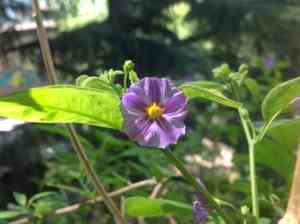
1
Blue potato bush flourishes in direct sunlight but can endure some shade.
2
Consistent trimming promotes thicker leaves and increased flowering.
3
Pair Blue potato bush with short ground covers for an impressive garden aesthetic.
Introducing Blue potato bush in Landscape Design
Understand the Visual Impact of Blue potato bush
A primary characteristic of Blue potato bush is its striking visual appeal. With its vivid blossoms and rich green leaves, Blue potato bush can become a central feature in any garden. Its flowers, with their captivating hues, can instill a sense of energy and vibrancy in your outdoor space. Therefore, comprehending how Blue potato bush will visually affect your garden is crucial. Position it where you wish to attract attention or where a burst of color is needed to break up green monotony.
Choosing the Ideal Location for Blue potato bush
Selecting the optimal spot for Blue potato bush in your garden is paramount. This plant thrives in sunlight, so a location with ample sun exposure will ensure its prosperity. However, it can also endure partial shade, offering some flexibility. Aim for areas where Blue potato bush can receive at least 6-8 hours of daily sunlight. Spots near pathways, garden borders, or patio edges are perfect, allowing you and your guests to appreciate its beauty up close. Ensure the chosen site has well-draining soil to prevent water accumulation.
Blending Colors and Textures with Blue potato bush
Blue potato bush's vibrant shades can be harmoniously combined with other plants to create a cohesive garden. Its blue-purple flowers beautifully complement greens, whites, and yellows. When designing your garden, consider the color scheme and textures. Pair Blue potato bush with contrasting yet complementary plants to add depth and intrigue. For instance, the soft texture of ornamental grasses or the bold foliage of larger shrubs can create a stunning visual contrast that enhances the overall aesthetic.
Maximizing Blue potato bush's Impact through Strategic Planting
Grouping Techniques for Bolder Presentation
To achieve a bold and impressive display, consider employing grouping methods. Planting Blue potato bush in clusters or groups can amplify its visual effect. Grouping three or more plants together can create a vibrant section that stands out. This approach is particularly effective when you aim to establish a visual anchor in your garden. Utilize odd numbers of plants for a natural, less formal appearance, and consider varying heights to add dimension and depth.
Seasonal Considerations for Continuous Appeal
For a garden that looks appealing throughout the year, account for the seasonal changes Blue potato bush undergoes. While it can bloom for extended periods, think about what happens after the flowers fade. Planning for continuous attractiveness involves incorporating plants that offer visual interest in different seasons. Choose evergreens or plants with appealing winter bark to keep your garden engaging even when Blue potato bush is not in bloom. Maintaining a variety of seasonal plants ensures there's always something beautiful in your garden.
Complementary Plants for Blue potato bush
The right companions can enhance Blue potato bush's beauty. Ground covers, perennials, and shrubs that complement its color and growth habit are ideal. Consider pairing Blue potato bush with plants like lavender, which shares similar sunlight needs and offers a complementary hue. Low-growing ground covers such as creeping thyme can form a lush carpet around Blue potato bush, adding to the visual richness. Also, consider taller plants with complementary blooming cycles to ensure your garden remains vibrant and dynamic throughout the seasons.
Technical Tips for Integrating Blue potato bush into Existing Landscapes
Navigating Sunlight and Shade for Blue potato bush
Understanding the sunlight and shade requirements is vital for successfully integrating Blue potato bush. This plant thrives in full sun, meaning it needs at least six hours of direct sunlight daily. However, it can tolerate some partial shade, especially in hotter climates. Ensure the planting location provides a balance that suits Blue potato bush's growth needs. In shaded areas, you might observe fewer blooms, so full sun is preferable for a more vibrant display. Monitor your garden's sunlight patterns and select a spot that guarantees optimal light exposure for Blue potato bush.
Soil Compatibility and Preparation
The soil in which you plant Blue potato bush significantly impacts its health and development. Well-draining soil is crucial to prevent root rot and other issues. Before planting, conduct a soil test to determine its pH and nutrient levels. Blue potato bush prefers slightly acidic to neutral soil (pH 6.0-7.5). Amend the soil with organic matter like compost to improve its texture and fertility. This not only enhances drainage but also provides essential nutrients that support healthy growth. Dig a hole twice the width of the root ball and mix compost into the backfill soil to give Blue potato bush the best start.
Creating Year-Round Interest with Blue potato bush
Winter Presence: Maintaining Aesthetic
Even during colder months, Blue potato bush can retain its aesthetic appeal. While it might shed some foliage, strategic pruning and care can help preserve its shape and structure. Consider using evergreen plants nearby to maintain greenery and interest. Additionally, mulching around Blue potato bush can help protect its roots from extreme cold and conserve moisture. Winter can be a time to highlight the plant's structure and incorporate elements like garden ornaments or lights to enhance its visual interest.
Spring to Fall: Capitalizing on Blooming Cycles
From spring through fall, Blue potato bush can be the star of your garden. To maximize its blooming cycles, ensure it receives adequate water and nutrients during the growing season. Regular removal of spent blooms can encourage more flowers and extend the blooming period. Fertilize with a balanced, slow-release fertilizer to support continuous growth and flowering. Planning your garden around its peak blooming times ensures that Blue potato bush receives the attention it deserves, making it a centerpiece in your landscape.



